Wrap Installation Cost Guide: Labor, Vehicle Complexity, and How to Pick the Right Installer


You can expect the wrap installation cost for a full vehicle wrap to range from $1,500 to $5,000. Partial wraps typically have a wrap installation cost between $500 and $2,000. Labor often constitutes the largest portion of the overall price. Factors such as the type of vehicle and the skill level of the installer can significantly influence the wrap installation cost. To achieve the best results, it is advisable to choose a professional installer. The right installer not only helps you avoid potential issues but also ensures that your wrap lasts for an extended period.



Key Takeaways
-
Full vehicle wraps usually cost between $1,500 and $5,000. Partial wraps cost from $500 to $2,000. Labor is the biggest part of the price. Skilled installers charge more money but do a better job. Always ask what services come with your quote. This helps you compare prices easily. Think about how complex your vehicle is. Curvy or big vehicles need more time and materials. This makes the cost go up. Pick high-quality materials like 3M or Avery. These last longer and protect your car’s paint better. Ask installers about their experience and see their past work. Check if there are warranties and aftercare services. Good support can save you money and trouble later. Look over your vehicle closely after installation. Watch for bubbles, wrinkles, or problems with alignment.
Wrap Installation Cost: Quick Answer
Average Car Wrap Cost Ranges
You might want to know how much a car wrap costs. The price can change depending on where you live. It also depends on the type of wrap and your vehicle’s size. Here are some usual car wrap prices you might see:
-
Partial wrap price range: $300 – $900
-
Full wrap price range: $1,500 – $3,000+
-
Standard vinyl wrap (full): $2,500 to $5,500+
-
Standard vinyl wrap (partial): $800 to $2,000+
-
Matte wrap (full): $3,000 to $5,000+
-
Matte wrap (partial): $800 to $2,000+
If you live in big cities like New York, Los Angeles, or Miami, prices are often higher. You may pay 15% to 30% more than the average. This is because shops charge more and there is more demand. Vinyl car wraps cost more in these cities. But you might find installers with more experience.
What’s Included in Wrap Pricing
When you get a quote for your wrap installation cost, you should know what comes with it. Most shops include a few services in the total price:
-
Design services: This means making the look and layout for your wrap.
-
Printing services: This is printing your design onto the vinyl.
-
Installation services: This is the labor to put the wrap on your vehicle.
Some shops may add basic cleaning or small surface prep in the price. Always ask your installer what is included. This helps you compare quotes from different shops.
Labor, Prep, and Shop Quality
Labor is the biggest part of your wrap installation cost. The amount you pay for labor depends on three main things. These are how complex your vehicle is, how much prep work is needed, and the quality of the shop.
|
Factor |
Impact on Cost |
|---|---|
|
Preparation Requirements |
Extensive cleaning and surface prep can add costs. |
|
Shop Quality |
Reputable shops command premium prices for expertise. |
You may pay $100 to $500 more if your vehicle needs extra cleaning or repairs before the wrap. Skilled installers finish jobs faster and make fewer mistakes. Well-known shops charge more because they have a good reputation and experienced staff. Proper prep, like cleaning and removing old decals, also affects the final car wrap cost.
Tip: Always ask your installer about their experience and what steps they take to prepare your vehicle. This helps you understand why one shop’s vinyl wrap pricing may be higher than another’s.
Car Wrap Labor Cost Breakdown
Hourly Rates vs. Flat Fees
You will find that shops use two main ways to price car wrap labor: hourly rates and flat fees. Some installers charge by the hour. Others give you a single price for the whole job. Each method has its own benefits.
-
Hourly Rates:
Installers may charge between $50 and $150 per hour. The final price depends on how long the job takes. If your vehicle has a simple shape, the install time will be shorter. If your car has many curves or details, the job will take longer and cost more. -
Flat Fees:
Many shops prefer to give you a flat fee. This means you pay one price for the entire wrap, no matter how long it takes. Flat fees make it easier for you to budget. You know the total cost before the work begins.
Some shops also use a price per square foot. This method works well for partial wraps or custom jobs. Always ask your installer how they set their prices. This helps you compare different installer quotes.
Factors Affecting Labor Cost
Many things can change the car wrap labor cost. You should know what affects car wrap pricing before you choose an installer. Here are the main factors:
-
Type of material used
-
Complexity of the design
-
Geographical location and local labor rates
-
Reputation of the installation service
Let’s look at the most important factors in detail.
Installer Experience
Installers with more experience often charge higher rates. They have special skills and know how to handle tricky jobs. You pay more for their precision and quality. If you want a flawless finish, you should choose an experienced installer. Their work can last longer and look better.
Shop Location
Where you live can change the labor cost. Shops in big cities or high-demand areas usually charge more. Urban shops may have higher rent and more skilled workers. You might pay less in smaller towns or rural areas. Always check prices in your area before you decide.
Prep Work
Prep work is a big part of the labor cost. Your installer must clean your car and remove old decals or wax. If your car has dents or rust, the installer may need extra time to fix these problems. More prep work means higher labor costs. Good prep helps the wrap stick better and last longer.
Example Labor Cost Scenarios
You can see how these factors work together in real-life examples. The table below shows how different things affect the labor cost for a car wrap:
|
Factor |
Description |
|---|---|
|
Installer Skill Level |
Higher skill levels may command higher rates due to expertise. |
|
Vehicle Type |
Curvy vehicles or those with body kits require more precision and time. |
|
Location |
Labor costs vary by region, with urban areas typically charging more. |
|
Vehicle Size |
Larger vehicles like SUVs and vans generally cost more to wrap. |
|
Design Complexity |
More intricate designs require additional time and skill. |
|
Prep Work |
Extra cleaning or repairs add to the total labor cost. |
For example, wrapping a small sedan with a simple design in a small town may cost $1,500. Wrapping a large SUV with a complex design in a big city may cost $3,500 or more. If your car needs extra prep, you may pay $200 to $500 more.
Tip: Always ask for a detailed installer quote. This helps you see where your money goes and compare prices between shops.
How Install Time Impacts Cost
Install time plays a major role in your wrap installation cost. The longer it takes to wrap your vehicle, the more you pay for labor. You should understand that every vehicle has a different shape and size. Some cars are simple and quick to wrap. Others, like SUVs and trucks, need more hours because they have larger surfaces and more complex parts.
Installers often estimate the number of hours needed before giving you an installer quote. If your car has many curves, sharp edges, or extra parts like spoilers and body kits, the install time increases. More hours mean higher car wrap labor cost.
Let’s look at how install time affects the total price. The table below shows typical labor hours and costs for different vehicle types:
|
Vehicle Type |
Estimated Labor Hours |
Hourly Rate (GBP) |
Total Labor Cost (GBP) |
|---|---|---|---|
|
Compact Cars |
6-8 |
60-120 |
360-960 |
|
SUVs/Trucks |
10-14 |
60-120 |
600-1680 |
If you drive a compact car, you might pay less because the installer finishes the job faster. SUVs and trucks take longer, so the labor cost rises. You should always ask your installer how many hours they expect to spend on your vehicle. This helps you understand the breakdown of your wrap installation cost.
Note: Install time also depends on the condition of your vehicle. If your car needs extra prep, such as cleaning, fixing dents, or removing old decals, the installer will spend more hours. This adds to your car wrap labor cost.
Installers with more experience often work faster and more efficiently. You may pay a higher hourly rate, but the total install time could be shorter. This can balance out your final installer quote. If you want a bumper wrap or a partial wrap, the install time is usually less, so the cost is lower.
You should remember that a longer install time does not always mean better quality. Skilled installers can deliver excellent results in less time. Always ask about the expected install time and compare it with the shop’s reputation and wrap warranty. This helps you make a smart choice and avoid paying too much.
Vehicle Wrap Costs by Complexity
Bumper Wrap Cost and Challenges
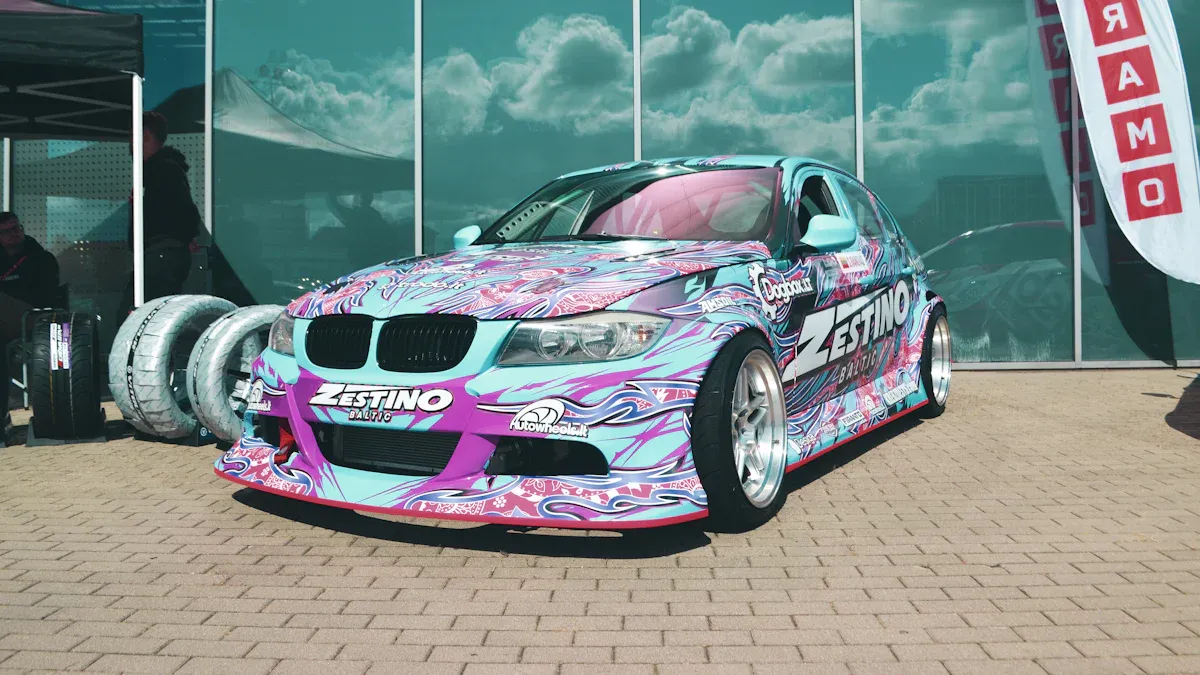
Bumpers are hard to wrap. They cost more because they need extra work and materials. Installers must be careful to cover every curve and corner. If your bumper has a fancy design or special parts, it gets harder. The bumper wrap cost can be $200 to $500 for one bumper. The price depends on how tricky the job is and what the installer says. Here are some reasons why bumper wraps cost more:
-
Many curves and edges need careful work.
-
More material is needed for all surfaces.
-
Special bumpers and body kits make it harder and pricier.
-
Fancy designs take more time to install.
Tip: Ask your installer if they have wrapped bumpers before. Skilled installers can handle tough shapes and make the wrap look smooth.
Mirrors, Handles, and Vents
Mirrors, handles, and vents are small but hard to wrap. You pay more for skilled work because these parts have tight curves and details. If you get a full wrap, these parts are included in the total cost. For partial wraps, you may pay $50 to $150 for each mirror or handle. Wrapping vents costs more if they have odd shapes. Here are some things that make wrapping these parts tricky:
-
Skilled installers must stop creases and bubbles.
-
Small parts need extra care and patience.
-
Curved surfaces make wrapping harder.
Note: If you want your car to look perfect, pick an installer who knows how to wrap mirrors, handles, and vents. This helps stop seams or bubbles from showing.
Roofs, Hoods, and Tricky Surfaces
Roofs and hoods are big and flat, but some cars have curves or lines that make wrapping tough. The size and shape of your car change how much vinyl you need and how long it takes. Sedans have simple shapes, so wrapping the roof or hood is easier. Coupes and fancy cars have more curves and details, so they need careful work. Trucks and vans need more materials and labor because they are bigger. Convertibles need special care around the roof. Cars with extra parts, like spoilers, are harder and cost more.
-
Sedans: Simple shapes, less work.
-
Coupes: More curves, careful wrapping needed.
-
Trucks: Big beds and cabs, more materials.
-
Jeeps: Odd shapes, parts can come off.
-
Mini-vans: Big areas, lots of curves.
-
Convertibles: Special care for roof parts.
-
Luxury cars: Fancy designs, expert skills needed.
Tip: Always ask for a detailed quote for hard-to-wrap parts. This helps you see how your car’s shape and size change the price.
You can see that wrap costs go up when parts are more complex. Skilled installers and extra materials cost more, but your car will look better.
Vehicle Size and Shape Impact
You might notice that the size and shape of your vehicle play a big role in how much you pay for a wrap. Larger vehicles need more vinyl, which means you spend more on both materials and labor. Trucks, vans, and SUVs usually cost more to wrap than compact cars. The shape of your vehicle also matters. Vehicles with lots of curves, sharp edges, or unique features take more time and skill to wrap.
Here is a table to help you see how different factors affect the cost:
|
Factor |
Explanation |
|---|---|
|
Surface Area |
Larger vehicles require more vinyl due to increased surface area, raising costs. |
|
Design Complexity |
Detailed designs increase costs compared to simpler wraps. |
|
Labor Costs |
Larger vehicles require more labor, which can increase installation costs. |
If you drive a compact car, you need less material. This lowers your total cost. If you own a truck or a van, you need more vinyl and more labor. This raises your price. Vehicles with unusual shapes or extra features, like spoilers or body kits, can make the job harder. Installers may charge more because these shapes take longer to cover smoothly.
You should also think about the design you want. Simple designs are easier and faster to install. Complex graphics or custom colors take more time and skill. This adds to your final bill. When you compare vehicle wrap costs, always consider the size and shape of your vehicle.
Condition Issues: Rust, Dents, Repairs
The condition of your vehicle can change the cost of your wrap. Rust, dents, and other damage must be fixed before the installer can start. If you skip these repairs, the wrap may not stick well. You could see bubbles, wrinkles, or peeling later.
Here are some important points to remember:
-
Rust and dents make the surface uneven. The wrap will not look smooth if you do not fix these problems.
-
Dents can cause the wrap to bubble or peel. This makes your car look bad and shortens the life of the wrap.
-
A smooth surface helps the wrap stick better. This keeps your wrap looking good for a long time.
-
Fixing dents and rust before wrapping stops moisture from getting trapped. This helps prevent more rust in the future.
You should always ask your installer if your car needs repairs before wrapping. Taking care of these issues first will help your wrap last longer and look better. It also protects your investment and keeps your car in good shape.
Cost to Wrap a Car: Shop Quote Differences
Why Quotes Vary
You might see that installer quotes are not always the same. Even if you have the same car, prices can change a lot. There are many reasons for this. Some shops use better wraps, like 3M, which cost more but last longer and look nicer. Certified installers ask for more money because they have special training and do a better job. If an installer is not very experienced, you might pay less, but the work might not be good. Bad work can hurt your car’s paint, and you may have to pay more to fix it later.
Here are some reasons why shop quotes are different:
-
Some shops use top vinyl brands, others use basic ones.
-
Certified installers charge more because they know more.
-
Shops with a good name may have higher prices.
-
Prep work in the quote can be different at each shop.
-
Warranty and aftercare can make the price go up.
Tip: Always ask what comes with your installer quote. This helps you compare prices and avoid extra costs.
Material Choices and Brands
The kind of material you pick changes the price and how good your wrap looks. You want your wrap to last and look nice, so you should check the brand and type of vinyl. Good wraps from brands like 3M or Avery cost more, but they last longer and look smoother. These wraps can handle sun, rain, and other weather, so they stay nice for a long time.
-
Top brands last longer and look better.
-
Good materials can cost $1,500 to $4,000, depending on your car and design.
-
Special vinyls with cool colors or textures cost more but work better.
-
Picking the best brands can keep your car’s paint safe and save you money later.
If you pick cheap materials, you might save money at first, but you could have problems like fading, peeling, or bubbles. Spending more on good materials makes your wrap last longer and look better.
Design Intricacy and Custom Graphics
How hard your wrap design is will also change the price. Simple wraps with one color are easier and faster to put on. If you want custom graphics, logos, or special effects, the price goes up. Hard designs need more time and skill, so labor costs are higher.
Here are ways design can change your price:
-
Custom graphics and logos need computer work and careful wrapping.
-
Big graphics or tricky spots use more vinyl and take longer.
-
Special finishes, like chrome or matte, need special vinyl and skill.
-
More colors mean more layers, so you pay more for both vinyl and labor.
Note: If you want your car to look special, you will pay more for design and wrapping. Always ask your installer to show you their past work to make sure they can do your design.
Warranty and Aftercare Comparison
When you compare installer quotes, look at more than price. Warranty and aftercare are important for your wrap’s value. A good warranty helps if something goes wrong after the wrap is installed. Aftercare services help your wrap last longer and stay nice.
Most good installers give a warranty for both the installation and the vinyl material. For example, Wrapmate gives a 1-year limited installation warranty and a 3M material warranty. This means you get help if you see bubbles, peeling, or other problems after your wrap is put on. You can go back to the installer for fixes or changes during the warranty time.
Aftercare services matter too. Some installers tell you how to care for your wrap, like how to wash your car and what products to use. Others offer repairs if your wrap gets damaged. These services help you keep your wrap safe and make it last longer. Ask your installer what aftercare help they give. Advice and repair choices can change how your wrap looks as time goes by.
Here is a simple table to help you compare warranty and aftercare features:
|
Feature |
What to Look For |
Why It Matters |
|---|---|---|
|
Installation Warranty |
Covers bubbles, peeling, or poor fit |
Ensures quality and recourse |
|
Material Warranty |
Protects against fading or cracking |
Safeguards against defects |
|
Aftercare Guidance |
Cleaning and maintenance instructions |
Helps preserve wrap appearance |
|
Repair Services |
Options for fixing wrap damage |
Extends wrap lifespan |
Tip: Always ask about the warranty and aftercare before picking an installer. A strong warranty and good aftercare show the installer cares about their work.
Not all installers give the same support. Some only cover installation problems. Others cover both installation and material. The best installers give clear warranty rules and easy aftercare. This helps you feel safe and avoid extra costs if something goes wrong.
When you think about the cost to wrap a car, remember warranty and aftercare change the total value. Paying a bit more for a shop with good support can save you money and worry later. You protect your car and keep your wrap looking great.
Choosing an Installer: Questions and Red Flags
What to Ask Before Hiring
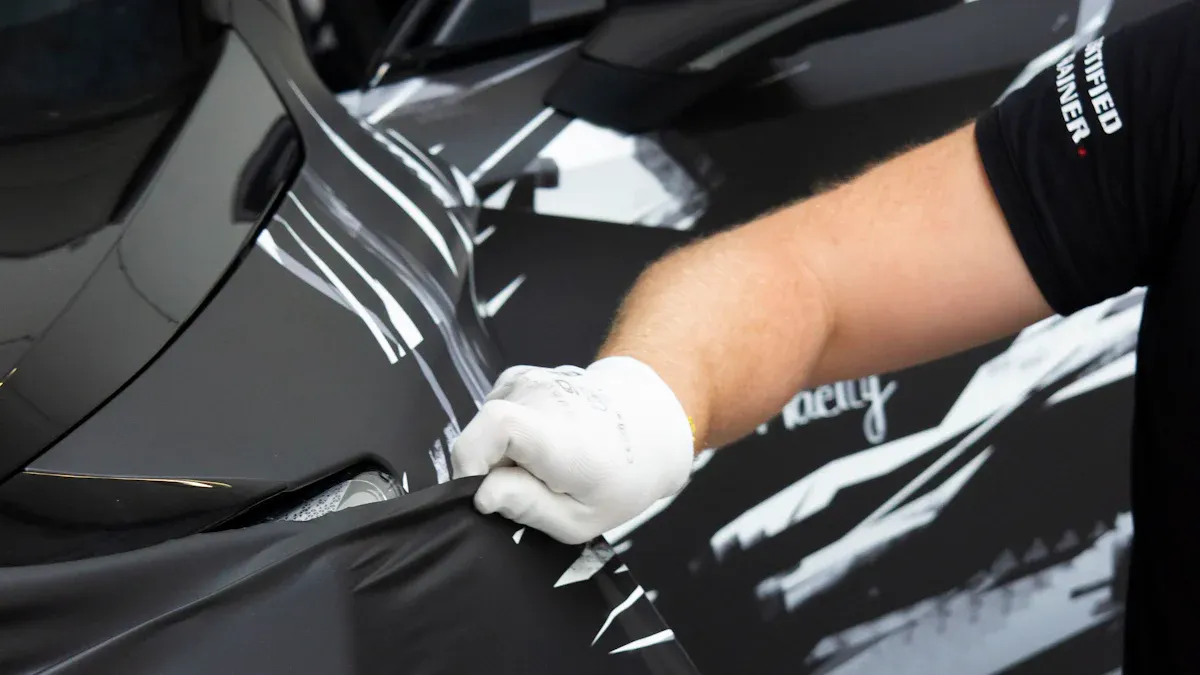
You want your wrap to look great and last a long time. Choosing the right installer makes a big difference. Before you hire anyone, ask important questions to make sure you get the best results. Here are some questions you should ask:
-
Can I see examples of your past work?
-
What materials do you use, and why?
-
Do you design wraps in-house, or will I need to provide artwork?
-
Do you offer a warranty on materials and installation?
-
Can you handle large fleets or just individual vehicles?
-
How long will the wrap last, and what affects its lifespan?
-
Do you remove old wraps, and how is that handled?
-
What is included in your quote?
-
Can you provide references or reviews from past clients?
-
What is the turnaround time from design to completion?
-
Where is the work performed? Is the facility climate-controlled?
These questions help you learn about the installer’s skills and services. You want someone who can show you a strong portfolio and explain their process. Always check if the installer offers a wrap warranty and clear details about what is included in the installer quote.
Credentials and Portfolio
Ask to see the installer’s credentials. Look for certifications from trusted vinyl wrap brands. A good installer will show you a portfolio of past projects. This lets you see their work on vehicles like yours. You can also ask for references or reviews from other customers. A professional installation team will be proud to share their experience and results.
Warranty and Aftercare
You should always ask about the wrap warranty. Find out what the warranty covers and how long it lasts. Ask if the installer offers aftercare advice or repair services. Good aftercare helps your wrap last longer and keeps it looking new. A reliable installer will explain how to care for your wrap and what to do if you see problems.
Turnaround Time
Ask how long the job will take. Turnaround time can change based on the size of your vehicle and the design. Make sure the installer gives you a clear timeline. This helps you plan and avoid surprises.
Tip: Write down the answers you get from each installer. This makes it easier to compare your options and choose the best one for your needs.
Red Flags to Avoid
Not every shop offers the same quality. Watch for warning signs that could lead to problems with your wrap. Here are some red flags to look out for:
-
Inadequate experience: The installer cannot show past work or has little experience.
-
Lack of liability insurance: The shop does not have insurance to cover damages during installation.
-
Subpar material quality: The installer uses cheap vinyl that may not last.
-
Poor reviews or reputation: You find many negative reviews or complaints online.
-
No portfolio of work: The installer cannot show photos of past wraps.
-
Unclear pricing: The quote does not explain what is included or has hidden fees.
-
Lack of proper facilities: The shop does not have a clean, climate-controlled space for wrapping.
You should avoid shops that offer very low quotes. Low prices can mean poor materials or rushed work. If the installer does not give you a written wrap warranty, you may have trouble getting help if something goes wrong. Always check reviews and ask for proof of past work.
Note: Choosing a shop with a strong reputation and clear answers helps you avoid costly mistakes. You want your wrap to look good and last, so take your time to pick the right installer.
Inspection Checklist at Pickup
When you pick up your newly wrapped vehicle, you want to make sure the job meets your expectations. A careful inspection helps you spot problems early and ensures you get the most from your wrap installation cost. Use this checklist to guide your review.
What to Check in a Finished Wrap
Follow these steps to inspect your vehicle wrap before leaving the shop:
-
Walk Around the Vehicle
Look at every side. Check for uniform color, smoothness, and symmetry. Make sure all seams line up and the wrap covers every panel. -
Check for Bubbles and Wrinkles
Run your hand over the surface. Feel for air bubbles, wrinkles, or raised spots. These can lead to peeling or early wear. -
Inspect Edges and Corners
Focus on bumpers, mirrors, handles, and vents. Edges should stick firmly with no lifting or gaps. Corners should look neat and tight. -
Review Design and Graphics
Make sure the installer followed your design. Check that logos, text, and graphics are straight and in the right place. -
Test Doors, Windows, and Lights
Open and close doors, windows, and trunk. Make sure the wrap does not block movement or cover lights and sensors. -
Check for Cleanliness
The vehicle should be free of dirt, grease, or wax. Clean surfaces help the wrap last longer and look better. -
Ask About the Wrap Warranty
Confirm the details of your wrap warranty and aftercare instructions before you leave.
Tip: Take your time during this inspection. A thorough check protects your investment and helps you avoid extra car wrap labor cost later.
Common Issues to Spot
You may notice some problems in a finished wrap. Watch for these common issues:
-
Air bubbles or trapped moisture
-
Wrinkles or creases in the vinyl
-
Lifting edges, especially on corners and curves
-
Fading or uneven color
-
Scratches, stains, or tears
-
Misaligned graphics or seams
Ignoring adhesive promoters in tricky spots like bumpers or mirrors can cause lifting. If you see any of these problems, point them out to your installer right away.
Resolving Problems with Your Installer
If you find issues, address them before leaving the shop. Here’s what you can do:
-
Show the installer the problem areas. Ask for a fix on the spot if possible.
-
For lifting edges, the installer may use a heat gun to press the vinyl back into place.
-
If you notice misalignment, the installer can warm the vinyl, peel it back, and realign it for a better fit.
-
Always get a written record of any promised repairs or adjustments.
If you see lifting edges after you get home, try gently warming the area with a hairdryer and pressing it down with a squeegee. If the problem continues, contact your installer for professional help.
Remember, a good installer stands by their work and honors the wrap warranty. Clear communication and a careful inspection help you get the best value from your installer quote and keep your wrap looking sharp for years.
Partial Wrap Pricing and CTA
Partial Wrap Cost Examples
You may not need a full vehicle wrap. Many car owners choose a partial wrap to update the look of their car or protect certain areas. Partial wrap pricing depends on which part of your vehicle you want to cover. Some areas, like bumpers, require more skill and time, so they cost more. Other parts, such as hoods or roofs, use less material and take less time to install.
Here is a table to help you understand the typical prices for different partial wrap options:
|
Item |
Price |
|---|---|
|
Hood |
|
|
Roof |
$500 |
|
Bumpers |
$1200 |
These prices give you a starting point. The final cost can change based on your vehicle’s shape, the installer’s experience, and the type of vinyl you select. Always ask your installer for a detailed quote before you decide.
Tip: If you want to protect high-impact areas or add a custom look, a partial wrap can be a smart and budget-friendly choice.
How to Get a Personalized Installer Quote
Every vehicle is different. You should get a personalized installer quote to know the exact price for your project. Many shops make this process easy. You can visit their websites and fill out a simple form. You will need to share your vehicle details, the area you want wrapped, and your design ideas. Most shops respond quickly with a custom quote.
Here are some trusted sources where you can request a quote:
|
Source |
Action |
|---|---|
|
Colibri Car Styling |
|
|
Vinyl Wrap Toronto |
You can compare quotes from different installers to find the best value and service for your needs.
Call to Action: Get Quotes (CD + PP)
Ready to see how much a partial wrap will cost for your vehicle? Take the next step and get a personalized quote today. Use trusted resources like CD and PP to connect with professional installers in your area. You can also read more about the wrap installation process in our detailed blog post. Getting multiple quotes helps you compare prices, services, and warranties. This way, you make the best choice for your car and your budget.
Don’t wait—request your installer quote now and give your vehicle a fresh new look!
Many things can change how much a wrap costs. Some of these are how big your car is, how hard the design is, and how skilled the installer is. Labor and how tricky your car is matter most. You should always look at different quotes and check if the installer is good. Use a checklist and ask questions to see if wrapping your car is worth it. To know the real price, get quotes from trusted installers near you or from places people recommend.
FAQ
How long does a car wrap installation take?
Most car wraps take one to three days to install. The time depends on your vehicle’s size, the design’s complexity, and the installer’s experience. Ask your installer for an estimated install time before you schedule your appointment.
What affects the wrap installation cost the most?
Labor is the biggest factor. Vehicle complexity, prep work, and shop quality also change the price. Larger vehicles or those with many curves cost more. Always compare installer quotes to understand what you pay for.
Can you wrap over dents or rust?
You should not wrap over dents or rust. The vinyl will not stick well. You may see bubbles or peeling. Fix any damage before installation for the best results and a longer-lasting wrap.
How long does a car wrap last?
A quality car wrap lasts five to seven years with proper care. Good materials and skilled installation help your wrap last longer. Follow aftercare instructions from your installer to protect your investment.
Does a wrap protect my car’s paint?
Yes, a wrap adds a layer of protection. It shields your paint from scratches, sun, and minor chips. When you remove the wrap, your paint should look as good as before.
What happens if my wrap gets damaged?
If your wrap gets scratched or torn, you can repair or replace the damaged section. Many installers offer repair services. Check your wrap warranty for coverage details.
Is a warranty included with my wrap?
Most professional installers include a wrap warranty. This covers installation issues like bubbles or peeling. Material warranties protect against fading or cracking. Always ask your installer about warranty terms before you agree to the job.
How do I clean and care for my wrapped car?
Wash your wrapped car by hand with mild soap and water. Avoid automatic car washes with brushes. Dry with a soft cloth. Your installer may give you more aftercare tips for your specific wrap.