Racing Livery Wrap Cost Guide: Stripes, Number Blocks, Sponsor Panels (What Increases Cost)


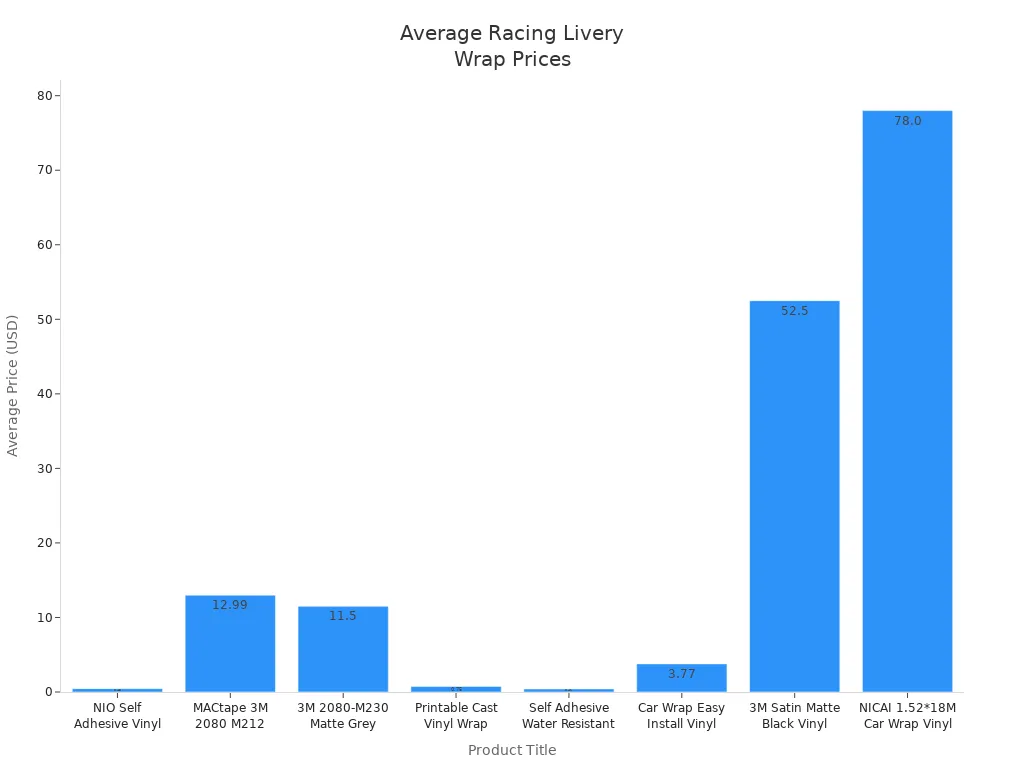
You will pay more for a racing livery wrap if you pick a design with lots of details. Using better material or wrapping a bigger car also costs more. Stripes, number blocks, and sponsor panels make the price go up. They need more time and skill to put on. How well the wrap is installed is important too. Look at the chart below to see average wrap prices from recent market data.
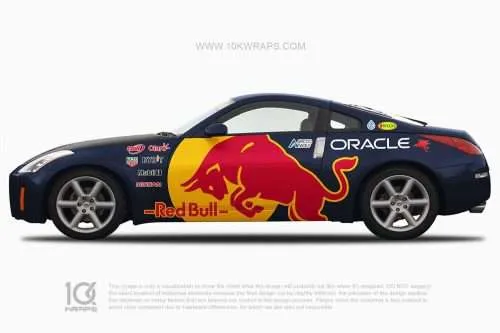
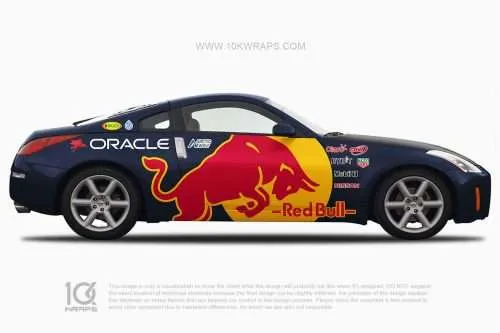
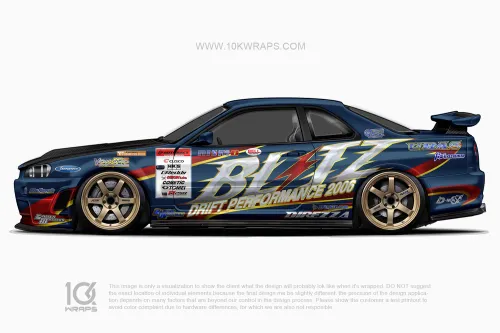
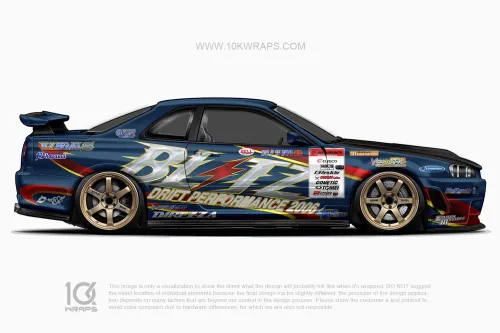
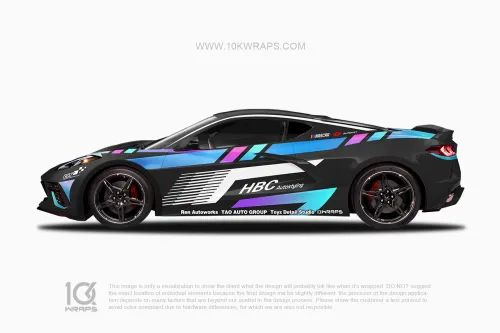
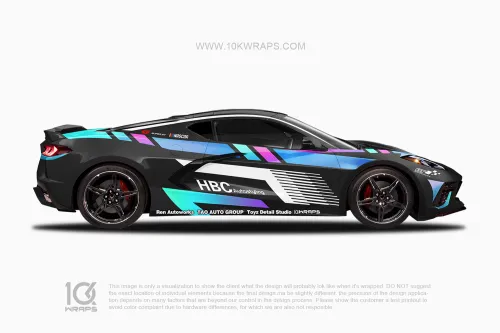
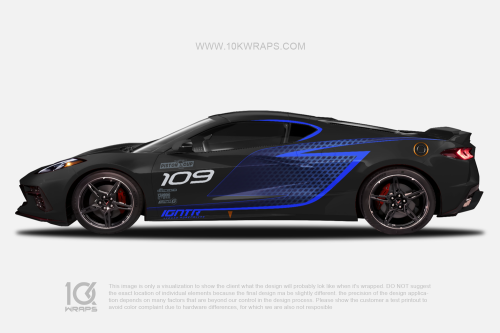
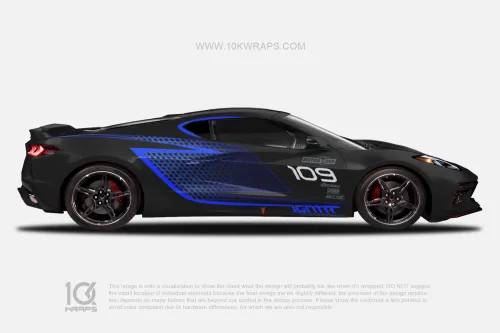
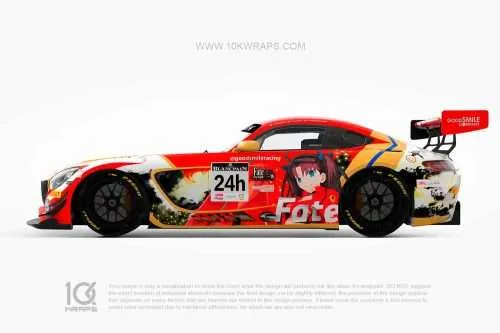
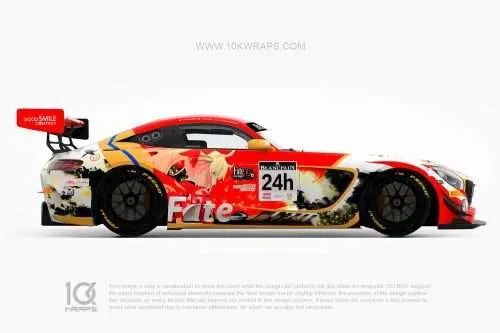
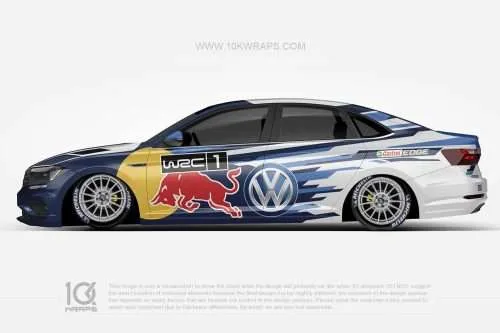
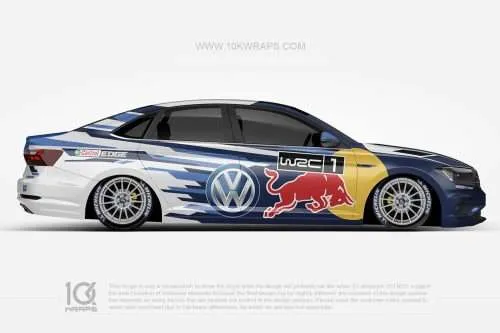
Key Takeaways
-
Pick a simple design if you want to spend less money. Complicated designs cost more because they need more work and materials.
-
Custom graphics make the price go up a lot. You might pay $500 to $1,500 extra for special designs.
-
Standard vinyl is the cheapest wrap material. It costs between $300 and $700. Fancy finishes can add $1,000 to $2,500 more.
-
The size of your vehicle changes the wrap price. Small cars are cheaper to wrap than big vehicles like SUVs or trucks.
-
Adding more stripes, number blocks, or sponsor panels raises the total price. Each new part needs more vinyl and more work.
-
Getting a pro to install the wrap gives you a better result. Doing it yourself can cause expensive mistakes and bad looks.
-
Taking care of your wrap is very important. Clean it the right way to make your vinyl last longer.
-
Ask for detailed quotes from different companies. This lets you compare prices and see what is included in the cost.
Racing Livery Wrap Cost Factors
When you think about the cost of a racing livery wrap, you should look at a few main things. These are how hard the design is, what material you pick, how big your car is, and how well the wrap is put on. Each one changes the price you pay for your wrap.
Design Complexity
Minimalist vs Complex Builds
You can pick a simple or a fancy design for your car wrap. Simple wraps use plain shapes, solid colors, or just a few stripes. These are quicker to put on and use less vinyl, so they cost less. Fancy wraps use lots of colors, cool patterns, or layers of graphics. These take more time and skill, so they cost more.
Tip: If you want to save money, start with a simple design. You can add more details later if you want.
Here is a table that shows how design style changes the price:
|
Factor |
Impact on Cost |
|---|---|
|
Minimalist Design |
Lower cost, less labor, less vinyl |
|
Complex Build |
Higher cost, more labor, more vinyl, more time |
Custom Graphics
Custom graphics make your wrap special. You might want your own logo, cool patterns, or sponsor art. Custom work always costs more because designers have to make new art and installers have to line up every part just right. You will pay $500 to $1,500 or even more for custom graphics on top of the normal price.
|
Factor |
Impact on Cost |
|---|---|
|
More time and skill needed, higher labor cost |
|
|
Additional Costs |
Custom graphics add $500–$1,500 or more |
If you want to know more about custom car wrap design, check out the resources at [CD] and [RACING].
Material Options
Standard Vinyl
Most racing livery wraps use standard vinyl. This kind of vinyl is strong, bends easily, and comes in lots of colors. Standard vinyl is the cheapest choice and works for most racing stripe wrap price budgets. You will pay $300 to $700 for a pro to put on standard vinyl.
|
Material Type |
Characteristics |
Cost Range |
|---|---|---|
|
Standard Vinyl |
Durable, many colors |
$300–$700 |
Specialty Finishes
Specialty finishes are things like chrome, carbon fiber, holographic, and reflective vinyl. These make your wrap look cool, but they cost more. Specialty wraps can add $1,000 to $2,500 to your total price because they are harder to put on and need more skill. If you want your car to stand out or have shiny parts for motorsport livery pricing, specialty finishes are a good pick.
|
Type of Wrap |
Cost Impact |
|---|---|
|
Standard Vinyl |
More affordable |
|
Specialty Wraps |
Adds $1,000–$2,500 to overall cost |
You can learn more about specialty finishes at [PP] and [OTHER].
Vehicle Size
Compact vs Large
How big your car is matters a lot for the price. Small cars like sedans need less vinyl and less work. You will pay $2,000 to $3,500 for a full wrap on a small car. Big cars, like SUVs, cost more because they need more material and time. SUVs usually cost $3,500 to $5,000. Trucks and sports cars can cost even more, especially if they have tricky shapes.
-
Small vehicles (sedans): $2,000–$3,500
-
Large vehicles (SUVs): $3,500–$5,000
-
Trucks: $4,000–$6,000 or more
-
Sports cars: $4,000–$7,000
Panel Count
Panel count means how many pieces of vinyl the installer has to use. More panels mean more seams and more time to line up the design. If your wrap has lots of stripes, number blocks, or sponsor panels, the panel count goes up. This makes the price higher because installers need extra time to make sure everything matches.
Note: High panel count and tricky alignment work can make your install cost more. For the best results, ask your installer if they are good at lining up panels. You can find more tips at [RACING].
Installation Quality
Professional vs DIY
You have two main choices for putting a racing livery wrap on your car. You can hire a professional or try to do it yourself. Professional installation usually costs between $500 and $1,000. This price reflects the skill and experience needed to get a smooth, bubble-free finish. Shops with a good reputation may charge more, but you get peace of mind knowing the job will look sharp and last longer.
If you try a DIY wrap, you might think you will save money. However, you need to buy special tools and materials. Mistakes can lead to bubbles, wrinkles, or peeling edges. Fixing these problems often costs more than hiring a pro in the first place. For racing stripe wrap price or motorsport livery pricing, a professional touch makes a big difference in the final look.
Tip: Choose a pro installer if you want your wrap to last and look its best on the track or street.
Alignment Labor
Getting the stripes, number blocks, and sponsor panels lined up perfectly takes time and skill. Labor for alignment and precision affects the total cost of your wrap. Here is what you need to know:
-
Intricate designs need more time and skill to align.
-
Wraps with many layers or complex graphics increase labor hours.
-
Specialty films, like chrome or reflective vinyl, require careful handling for a seamless finish.
If the installer does not pay attention to detail, you may see crooked lines or mismatched panels. High-quality alignment is essential for a professional look. This is especially true for racing liveries, where every detail counts. You may pay more for this level of care, but the results will stand out on the track.
Stripes, Number Blocks, Sponsor Panels Cost
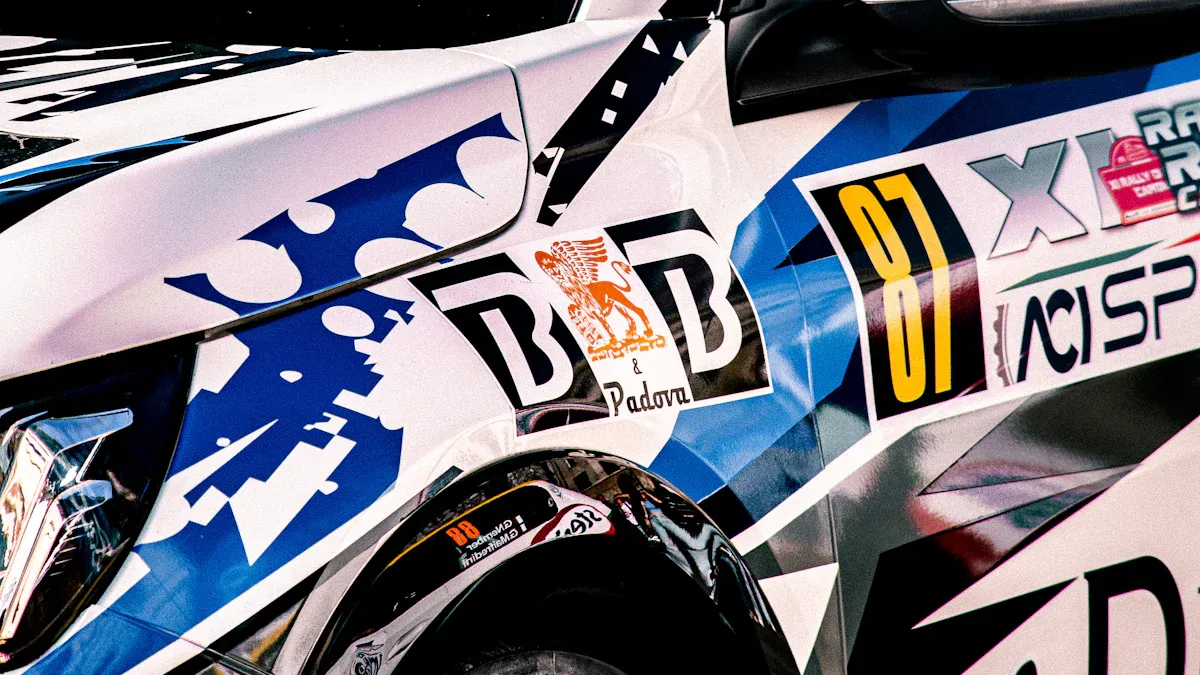
When you look at the cost of a racing livery wrap, you need to understand how each element affects your budget. Stripes, number blocks, and sponsor panels all add to the total wrap price. You can choose simple or complex options, and each choice changes the amount of vinyl used and the labor needed.
Racing Stripe Wrap Price
Stripes are a classic part of many racing livery wrap designs. You can pick a single stripe or go for multiple stripes. The number and complexity of stripes change the wrap cost. If you want a basic stripe kit, you pay less. Premium kits cost more because they use better vinyl and need more skill to install.
Here is a table that shows typical price ranges for racing stripe kits:
|
Kit Type |
Material Cost (Decals Only) |
Professional Installation Cost |
|---|---|---|
|
Basic Kits |
$90 – $170 |
$150 – $400+ |
|
Mid-Range Kits |
$150 – $250 |
$150 – $400+ |
|
Premium/OEM Kits |
$250 – $400+ |
$150 – $400+ |
You can find more details about stripe kits and materials at [PP] and [CD].
Single vs Multiple Stripes
If you choose a single stripe, you use less vinyl and need less labor. This keeps the cost low. Multiple stripes need more vinyl and careful alignment. You pay more for the extra work. The installer must make sure every stripe matches across the panels. This takes skill and time.
Tip: Start with a single stripe if you want a simple look and lower cost. Add more stripes later if you want to upgrade your racing livery wrap.
Stripe Continuity
Stripe continuity means the stripe flows smoothly across the whole vehicle. You want the stripe to look seamless over doors, hoods, and fenders. This is important for a professional racing livery wrap. If the stripe does not line up, the wrap looks messy.
-
The installer must make sure the stripe matches over seams and gaps.
-
Seamless stripes need extra labor and skill.
-
You pay more for perfect stripe continuity.
You can learn more about stripe continuity and alignment at [RACING].
Number Blocks Cost
Number blocks show your racing number. You can pick standard blocks or custom designs. Standard number blocks use basic vinyl and simple shapes. Custom blocks use special fonts, colors, or effects. Custom number blocks cost more because they need extra design work and careful installation.
Standard vs Custom
Standard number blocks cost less. You pay for basic vinyl and quick installation. Custom number blocks use more vinyl and need more labor. You pay extra for unique designs and special effects.
|
Number Block Type |
Material Cost |
Installation Cost |
|---|---|---|
|
Standard |
$30 – $80 |
$50 – $120 |
|
Custom |
$80 – $200+ |
$120 – $250+ |
You can find more info about custom number blocks at [CD] and [RACING].
Note: Custom number blocks help your vehicle stand out on the track. They also increase the total racing livery wrap cost.
Sponsor Panels Cost
Sponsor panels show your sponsors and logos. You can pick simple panels or complex graphics. Simple panels use basic vinyl and easy shapes. Complex panels use layered graphics, special finishes, or reflective vinyl. Complex sponsor panels cost more because they need more vinyl and skilled labor.
Simple vs Complex Graphics
Simple sponsor panels cost less. You pay for basic vinyl and quick installation. Complex graphics use more vinyl and need careful alignment. You pay more for special effects and detailed designs.
|
Sponsor Panel Type |
Material Cost |
Installation Cost |
|---|---|---|
|
Simple |
$50 – $150 |
$80 – $200 |
|
Complex |
$150 – $400+ |
$200 – $500+ |
You can learn about sponsor panel options and specialty finishes at [OTHER] and [PP].
Tip: If you want your racing livery wrap to look professional, invest in high-quality sponsor panels. Reflective vinyl and layered graphics make your wrap stand out.
Each element—stripes, number blocks, and sponsor panels—adds to the total cost of your wrap. You need to think about the amount of vinyl, the complexity of the design, and the skill needed for installation. If you want a racing livery wrap that looks sharp and lasts, choose quality materials and skilled installers.
Cost of Wrapping a Car: Full vs Partial
When you plan a racing livery project, you need to decide if you want a full wrap or a partial wrap. This choice affects the cost of wrapping a car and the look of your vehicle. You can cover every panel or just highlight certain areas. Each option has its own price range and benefits.
Full Wrap Pricing
A full wrap covers your entire vehicle. You get a complete transformation, making your car stand out on the track. Full wrap cost depends on the size of your vehicle, the complexity of the design, and the quality of materials. You pay more for larger vehicles and intricate graphics. Most shops charge between $2,500 and $6,000 or more for a full wrap. This price includes material, labor, and installation.
Here is a table that shows the difference between full wrap and partial wrap cost:
|
Type of Wrap |
Cost Range |
|---|---|
|
Full wrap |
$2,500 – $6,000+ |
|
Partial wrap |
$250 – $2,500 |
You get maximum coverage and protection with a full wrap. The wrap shields your paint from scratches and weather. You also have more space for sponsor panels, racing stripes, and number blocks. If you want a bold design, a full wrap gives you the most freedom.
Partial Wrap Pricing
A partial wrap covers only parts of your vehicle. You might wrap the hood, roof, doors, or just add stripes and sponsor panels. Partial wrap cost is much lower than a full wrap. You pay between $250 and $2,500, depending on the area you choose and the complexity of the design. Partial wrap lets you highlight key features without covering the whole car.
You can see how coverage impacts car wrap cost:
-
The cost of car wraps starts at $4,000 for larger projects.
-
Pricing changes based on the size and scope of your wrap.
-
Bigger coverage areas mean higher costs because you need more material and labor.
Partial wrap works well if you want to save money or keep your original paint visible. You can add racing stripes, number blocks, or sponsor panels to specific panels. This option gives you flexibility in design and budget. You also spend less time on installation.
Tip: Choose a partial wrap if you want to test a new look or focus on sponsor branding. You can upgrade to a full wrap later if you want more coverage.
Both full wrap and partial wrap offer unique advantages. You need to think about your goals, budget, and the impact you want on the track. Vehicle wrapping gives you many options to customize your car. The right choice depends on how much coverage you want and how much you plan to spend.
Labor and Aftercare Impact on Car Wrap Cost
Labor Costs
Labor plays a big role in the cost of wrapping a car. You pay for the skill and time of the installer. Shops with more experience often charge more, but you get better quality. If you want a full wrap with racing stripes, number blocks, or sponsor panels, the installer needs to spend extra time on alignment and detail work. This increases the cost.
You may notice that labor rates change depending on where you live. In big cities, labor costs can be higher because shops pay more for rent and wages. In smaller towns, you might find lower prices. Always ask for a detailed quote before you start. This helps you understand what you pay for and lets you compare different shops.
Quality matters when you choose an installer. A skilled installer uses the right tools and techniques. This means your vinyl wrap will look smooth and last longer. Poor installation can lead to bubbles, wrinkles, or peeling edges. You may end up paying more to fix these problems. For the best results, pick a shop with good reviews and motorsport livery experience.
Aftercare
After you finish wrapping a car, you need to take care of the vinyl. Good aftercare helps your wrap last longer and keeps it looking sharp. It also protects your warranty. If you do not follow the right steps, you might damage the vinyl or lose your warranty coverage.
Here are some important aftercare tips:
-
Avoid automated car washes. These can scratch or lift the vinyl.
-
Do not use isopropyl alcohol for cleaning. This can harm the wrap.
-
Stay away from high-pressure spray nozzles made for paint removal.
-
If you must pressure wash, use the lowest setting.
-
Wash your vehicle with mild, automotive-specific shampoos.
-
Clean small spots with a microfiber cloth.
-
Take your time to remove tough dirt. Rushing can damage the vinyl.
Note: Good aftercare keeps your wrap looking new and helps it last for years. It also supports your warranty if you need repairs.
The cost of wrapping a car does not end with installation. You need to plan for regular cleaning and gentle care. This protects your investment and keeps your vehicle looking great on the track or street. If you follow these steps, your full wrap or partial wrap will stay bright and smooth. High-quality vinyl and good aftercare work together to give you the best results.
Real-World Motorsport Livery Pricing Examples
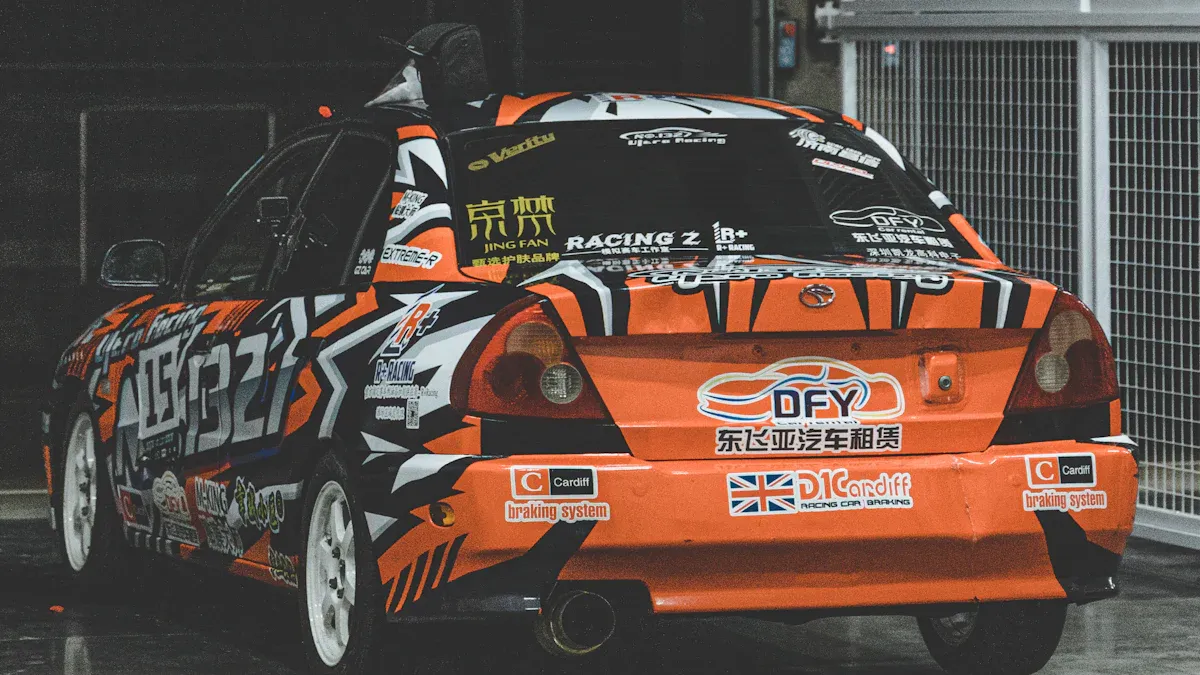
There are many prices for racing livery wraps. Your choice depends on your money, your style, and how much you want to change your car. Let’s look at the usual costs for entry-level, mid-range, and high-end wraps. This helps you know what to expect before you start.
Entry-Level Wraps
Entry-level wraps give your car a basic racing look. You do not need to spend a lot. These wraps usually have simple stripes, number blocks, or sponsor panels. They use standard vinyl and need less work. You pay less because the designs are easy.
Here are some common entry-level choices:
|
Style |
Best For |
Average Cost |
Lifespan |
|---|---|---|---|
|
White Twin Stripes |
Muscle Cars, Trucks |
$40–$80 |
3–5 years |
|
Pink Gloss Vinyl |
Custom Personalization |
$20–$60 |
2–4 years |
|
Matte Black Pinstripe |
Luxury Sedans |
$30–$70 |
4–6 years |
|
Painted Center Stripe |
Enthusiast Builds |
$500+ |
10+ years |
You can find entry-level kits at [PP] and [CD]. These wraps are good if you want a quick change or a simple racing style.
Mid-Range Wraps
Mid-range wraps let you customize more and use better materials. You get layered graphics, more stripes, and custom number blocks. Installers spend extra time making sure everything lines up. You pay more, but your wrap looks special on the track.
Most mid-range wraps cost $800 to $2,500. You see these wraps on club racers and motorsport fans. The designs have sponsor panels, bright colors, and cool patterns. You can compare mid-range wraps to entry-level and high-end wraps with the chart below.
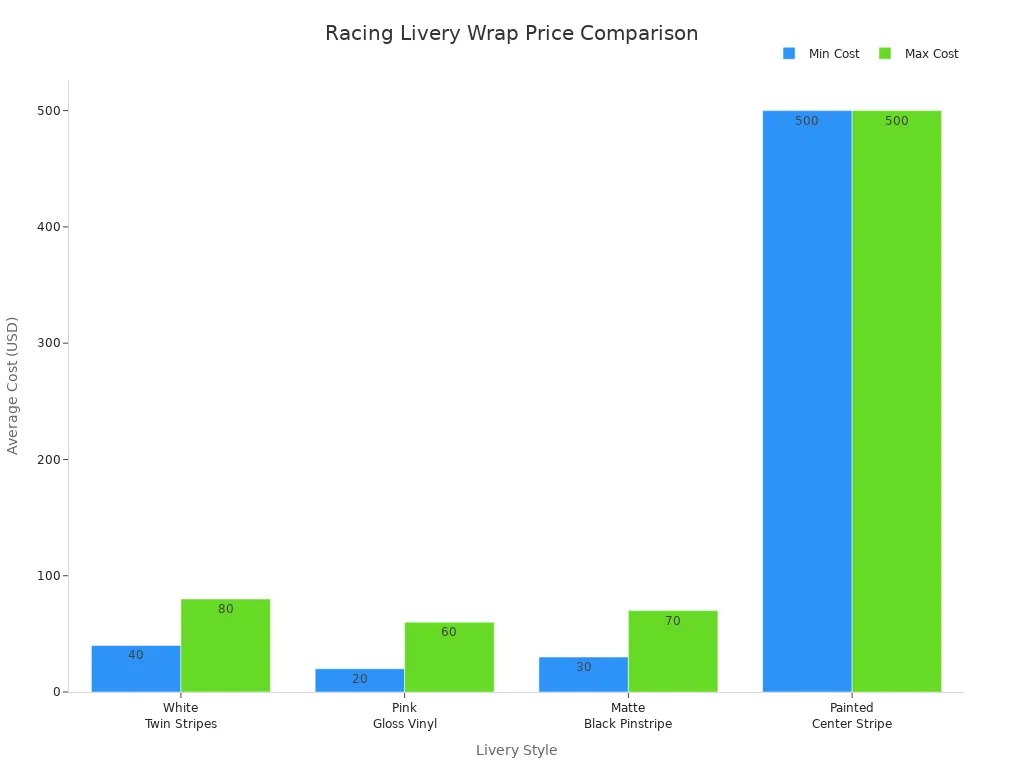
You can check out mid-range wrap choices at [RACING] and [OTHER]. These wraps balance price and style. You get a pro look without paying for a full custom wrap.
High-End Wraps
High-end wraps give you the best quality and the most changes. You get custom livery design services, special finishes, and complex sponsor graphics. Professional installers use top vinyl and advanced skills. You pay for expert work and unique art.
Here are some details about high-end wrap prices:
-
Custom livery design services are offered for motorsport needs.
-
You can get price estimates for different car customization services.
-
You need to pay a $125 deposit to start custom artwork.
-
APEX-GRAPHIX charges a $125 installation fee.
High-end wraps usually cost $3,000 to $7,000 or more. You see these wraps on pro race cars and show cars. The designs have shiny accents, layered sponsor panels, and smooth stripe continuity. You can learn more about high-end wraps at [RACING] and [PP].
Tip: If you want your car to stand out in motorsport, pick a high-end wrap. You get lasting quality and a special look.
You can pick the wrap that fits your needs and money. Entry-level wraps are good for simple changes. Mid-range wraps give you more style. High-end wraps offer the best performance and design. Always compare choices and ask for prices before you decide.
Actionable Advice for Wrapping a Car
Getting Quotes
You want to get the best price for wrapping a car. Start by gathering details about your project. Ask questions about your preferred style and colors. Share photos of wraps you like. This helps the provider understand your vision. Most shops offer concept designs for you to choose from. You pay a design invoice to begin the process.
Here is a simple step-by-step guide to help you get accurate quotes:
-
Ask about your design preferences and goals.
-
Select one or two concept designs for review.
-
Fill out a survey with your detailed preferences.
-
Send sample photos of wraps you admire.
-
Review the prepared design and request up to two revisions.
-
Approve the final design for production.
-
Receive recommendations for printing and installation.
Providers usually give proofs for sponsor approval. They include your logo sets and brand colors. Timelines range from two to four weeks, depending on complexity and revisions. Rush options are available during racing season. Printing, shipping, and installation costs are separate from the design price. Expect a turnaround time of about a week from deposit to completed design.
Tip: Always ask for a detailed quote that lists material, labor, and installation costs. This helps you compare prices and avoid surprises.
Budget vs Design
You need to balance your budget with your design goals. Decide how much you want to spend before you start wrapping a car. Entry-level wraps cost less and use standard vinyl. Mid-range wraps offer more customization and better materials. High-end wraps feature complex graphics and specialty finishes.
Use this table to compare wrap options:
|
Wrap Type |
Average Cost |
Features |
|---|---|---|
|
Entry-Level |
$40–$80 |
Simple stripes, basic vinyl |
|
Mid-Range |
$800–$2,500 |
Custom graphics, sponsor panels |
|
High-End |
$3,000–$7,000+ |
Specialty finishes, complex design |
Think about what matters most to you. If you want a bold look, invest in a high-end wrap. If you need to save money, choose a partial wrap or basic racing stripe wrap price options. Make sure your budget matches your expectations.
Note: You can upgrade your wrap later if you want more features or a new look.
Questions for Providers
You should ask clear questions before wrapping a car. This helps you avoid mistakes and get the best results. Here are some important questions to ask:
-
What is the total cost for my wrap, including material and labor?
-
How long will the wrap last on my vehicle?
-
What aftercare steps should I follow to protect my wrap?
-
Are there extra charges for complex graphics or sponsor panels?
-
Can you show examples of previous racing livery wraps?
-
What is the timeline for design, printing, and installation?
-
Do you offer warranty or support for motorsport livery pricing projects?
🏁 Asking these questions helps you make smart choices and ensures your wrap looks great on the track.
You can get the most value by planning ahead, setting your budget, and working with experienced providers. Wrapping a car gives you many options to customize your vehicle. Take your time to compare quotes and designs. You will enjoy the results for years.
When you pick a wrap with a fancy design, the price goes up. Using special materials or hiring skilled workers also costs more. Stripes, number blocks, and sponsor panels make the wrap more expensive, especially if you want to cover the whole car. You can look at this table to compare prices:
|
Factor |
Description |
|---|---|
|
Vinyl Type |
Cast lasts longer; calendared costs less |
|
Finish |
Matte, chrome, satin affect cleaning and look |
|
UV Resistance |
Needed for wrap longevity |
-
Make sure you know what design you want.
-
Ask questions about the materials.
-
Think about how to care for your wrap.
Look up different shops and talk to experts to get the best wrap for your car.
FAQ
Is racing livery legal on the street?
You can use racing livery wraps on your street car. Make sure your design does not copy emergency vehicles or break local laws. Always check with your DMV or local authorities before you drive with a racing wrap.
Can you use reflective accents in your wrap?
You can add reflective accents to your racing livery wrap. Reflective vinyl costs more and needs careful installation. These accents help your car stand out at night and on the track. Ask your installer about specialty vinyl options.
How much does a basic racing stripe wrap cost?
You pay $90 to $170 for a basic racing stripe kit. Professional installation adds $150 to $400. Prices depend on the vinyl quality and the number of stripes. Simple designs cost less and take less time to install.
What increases the cost of a racing livery wrap?
Complex designs, specialty vinyl, large vehicles, and detailed alignment increase your wrap cost. Custom graphics and sponsor panels also add to the price. Professional installation ensures a smooth finish but costs more than DIY.
How long does a racing livery wrap last?
You can expect your wrap to last 3 to 7 years with proper care. Specialty finishes may last less. Regular cleaning and gentle washing help your wrap stay bright and smooth. Follow aftercare instructions for best results.
Can you wrap only part of your car?
You can choose a partial wrap for your car. Partial wraps cost $250 to $2,500. You might wrap just the hood, roof, or doors. This option saves money and lets you highlight stripes or sponsor panels.
Do sponsor panels affect the total wrap price?
Sponsor panels add to your wrap cost. Simple panels cost $50 to $150. Complex graphics or reflective finishes increase the price to $400 or more. The number of panels and design complexity change the final cost.
What should you ask your wrap provider before starting?
Ask about total cost, material types, installation quality, and aftercare steps. Request examples of previous wraps. Check if there are extra charges for custom graphics or sponsor panels. Make sure you understand the timeline and warranty.