How to Negotiate a Wrap Quote (Without Getting Lower Quality): What to Ask For Instead


You want to negotiate a wrap quote and secure a great deal. Focus on quality and value, not just a lower price. Ask for cost breakdowns, other materials, and warranty details. Use tips like clear communication and sharing what matters to you. The main factors that affect wrap quality are material costs, labor use, overhead, and sales commissions.
|
Factor |
Impact on Quality and Profitability |
|---|---|
|
Material Costs |
Buying smart helps profits and keeps quality strong. |
|
Labor Utilization |
Good scheduling makes jobs better and faster. |
|
Overhead Management |
Cover fixed costs early for better service and trust. |
|
Sales Commissions |
Lower commissions keep prices steady without hurting quality. |
Key Takeaways
-
Look at quality, not just price. Ask for a list of costs so you know what you are paying for.
-
Stop hidden costs by asking for a quote that lists each item. Make sure you know what is in the price so you do not get surprised.
-
Check what materials are used for your wrap. Good vinyl and laminate make it last longer and look better.
-
Tell the provider what matters most to you. This helps them know what you need and makes your relationship better.
-
Think about doing the wrap in steps to save money. Start with the most important parts and add more later if you have the money.
-
Be careful if you get a quote that is not clear or if they do not talk well with you. These can be signs of problems with quality or service.
-
Try to get more value, like extras or easier ways to pay. This can make your experience better without losing quality.
-
Always ask for the warranty details in writing. A good warranty keeps your money safe and makes sure you get good quality.
Negotiation Risks
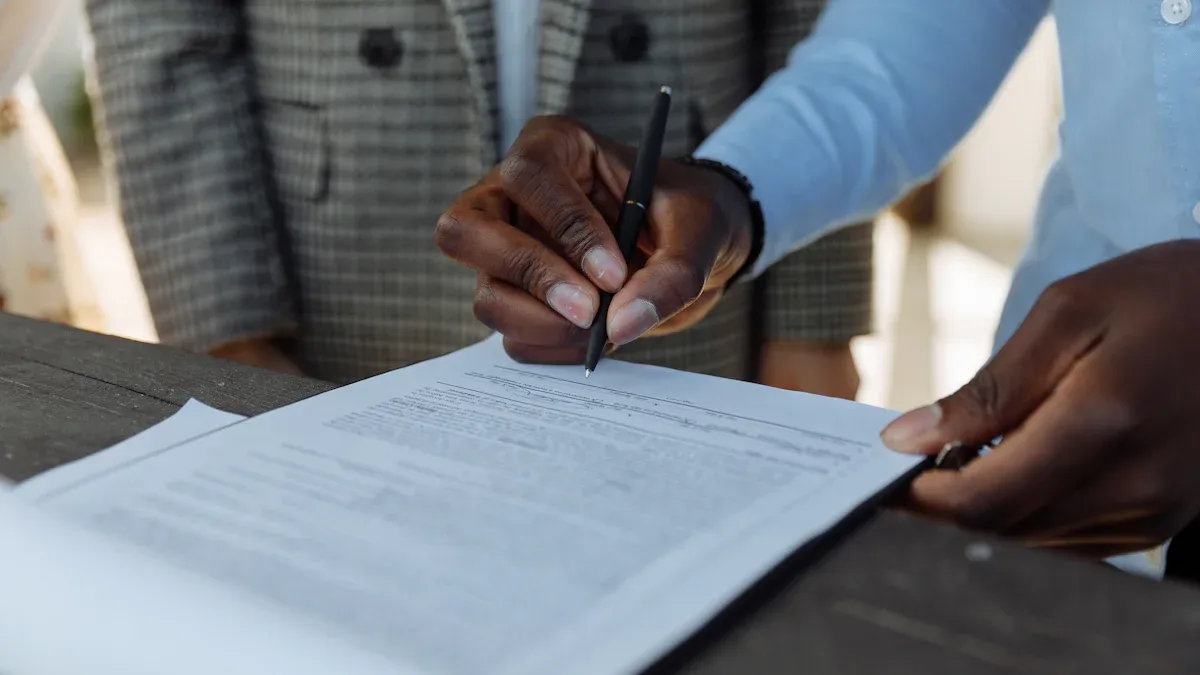
When you start a negotiation for a wrap quote, you might feel tempted to push for the lowest possible price. This approach can seem like a smart way to get a good price, but it often brings hidden risks. You need to understand these risks before negotiating the price. If you focus only on cost, you may end up with lower quality or unexpected expenses.









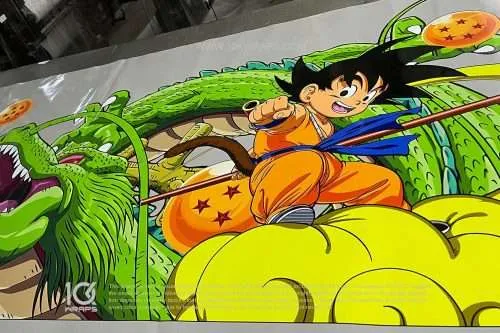

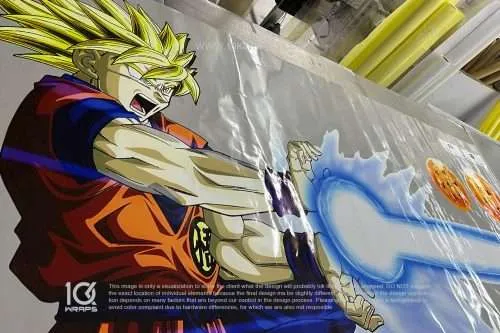
Cutting Price vs. Cutting Quality
Material Downgrades
You may think that a lower quote means you save money. In reality, some providers might use cheaper materials to meet your budget. This can affect the look and durability of your wrap. In industries like finance and insurance, experts have seen that material downgrades happen when companies try to lower costs. These downgrades can reduce the value of the product and limit your options in the future. If a provider uses lower-grade vinyl or skips protective layers, your wrap may fade, peel, or fail sooner than expected.
Workmanship Shortcuts
A lower price can also mean less time spent on your project. Some installers may rush the job or skip important steps. For example, they might not clean the surface well or ignore small details. This can lead to bubbles, wrinkles, or edges that lift over time. You want your wrap to look sharp and last long, so you should watch for signs that a provider is cutting corners.
Tip: Always ask your provider what materials they plan to use and how they prepare the surface. This helps you compare quotes and spot any shortcuts.
Hidden Costs
Sometimes, a low quote hides extra fees. You might see a basic price, but later find charges for design changes, extra prep, or aftercare. These hidden costs can add up fast. If you do not ask for a full breakdown, you may pay more in the end than you expected. In car buying, you often see a low sticker price, but the final bill includes many add-ons. The same thing can happen with wraps.
-
Ask for an itemized quote.
-
Check if the price includes all steps, from prep to aftercare.
-
Make sure you know what is covered and what is not.
By understanding these negotiation risks, you can protect your investment. You will know what to look for and how to keep print quality high while still reducing wrap cost.
Negotiate a Wrap Quote with Transparency
When you talk about a wrap quote, you should know where your money goes. Being open helps you avoid surprises and keeps print quality good. You can ask for a detailed list and compare providers to make smart choices.
Breakdown of Costs
You should ask for a quote that lists every cost. This helps you see each part of the project. You can find out how much you pay for materials, labor, and prep. Itemized quotes help you understand costs and set clear rules with your provider.
Materials
Materials are important for how your wrap looks and lasts. You want to know what kind of vinyl, laminate, and ink are used. Ask for the brand and grade of each material. This helps you compare quality and avoid hidden downgrades.
-
Ask for a list of materials used.
-
Check if the provider uses high-quality vinyl and protective laminate.
-
Make sure the ink is right for your project.
Labor
Labor costs pay for the skill and time of the installers. You should ask how many hours the team will work and what steps they take. Skilled labor makes your wrap look better and last longer.
-
Ask about the experience of the installers.
-
Request details on the installation process.
-
Find out if the labor cost covers aftercare or touch-ups.
Prep Steps
Prep steps help your wrap stay smooth and last longer. You need to know if the provider cleans and gets the surface ready. Good prep stops bubbles, wrinkles, and peeling.
-
Ask for a description of the prep process.
-
Check if the quote includes cleaning, sanding, or priming.
-
Make sure prep steps are not skipped to save money.
Tip: Itemized quotes help you see everything clearly. You can compare prices, check quality, and avoid confusion with your provider.
Compare Multiple Quotes
You should not pick the first quote you get. Comparing more than one quote helps you find the best deal and avoid hidden fees. Look at more than just the price. Think about lead time, quality checks, payment rules, and the supplier’s reputation.
|
Factor |
Why It Matters |
|---|---|
|
Price |
The most obvious factor, but don’t base your decision solely on this. |
|
Lead Time |
How long will it take to get the parts? A longer lead time can delay your project. |
|
Quality Assurance |
What measures are in place to ensure quality? Do they have certifications? |
|
Minimum Order Quantity |
Does the supplier require you to order a minimum amount? This can affect your costs. |
|
Payment Terms |
Are the payment terms reasonable? Do they allow for flexibility or credit? |
|
Supplier Reputation |
Research reviews and previous client feedback to assess reliability. |
You should also check the total price, including shipping and taxes. Look at delivery times and make sure the product fits your needs. Check the service and support from each provider.
Use Technology for Validation
Technology can help you check if wrap quote prices are fair. You can use apps and tools to see if the rates are right. GovieRates is a good tool for checking wrap rate math and following rules. You can use these tools to compare quotes and spot any prices that seem off.
-
Use GovieRates to check wrap rate calculations.
-
Compare quotes with online calculators.
-
Check prices before you decide.
Note: Technology helps you feel sure when you negotiate. You can make sure you get a good price and keep print quality high.
When you talk about a wrap quote, being open is your best tool. Ask for itemized quotes, compare providers, and use technology to check prices. You can save money and keep quality high by making smart choices.
Smart Scope Reduction
You can lower your wrap cost without losing print quality by reducing the project scope instead of cutting corners. Smart scope reduction means you keep the most important parts of your wrap while making choices that save money. This approach helps you get the best value when negotiating.
Phased Plan
A phased plan lets you split your wrap project into smaller steps. You do not need to wrap everything at once. You can start with the most visible panels or the parts that matter most for your brand. Later, you can add more panels or details when your budget allows.
-
You control your spending by working in phases.
-
You can see the results and decide if you want to add more later.
-
You avoid rushing big decisions and keep quality high.
When negotiating the price, ask your provider if they offer phased plans. This shows you care about value and want to keep standards strong.
Simplified Backgrounds
Choosing a simple background for your wrap can make a big difference. Simple designs look clean and easy to read. They also cost less because they need less design work and printing time.
-
Simple backgrounds prevent clutter and make your message clear.
-
Straightforward layouts are more affordable than detailed graphics.
-
Simple designs help people understand your message quickly.
You do not have to give up style. Many brands use simple backgrounds to stand out. When negotiating, ask your provider how a simpler design could help your budget.
Fewer Complex Panels
Complex panels take more time and skill to wrap. If you reduce the number of these panels, you save on labor and materials. Focus on the panels that get the most attention, like doors or the hood.
-
Pick the panels that matter most for your brand.
-
Leave less important areas unwrapped or use a basic color.
-
Save money without lowering the quality of the main design.
You can talk with your provider about which panels give you the best value. This helps you stay within budget while keeping your wrap effective.
Tip: Smart scope reduction is about making smart choices, not cutting quality. You can get a great wrap by focusing on what matters most and negotiating for the best value.
Confirm Quality Essentials
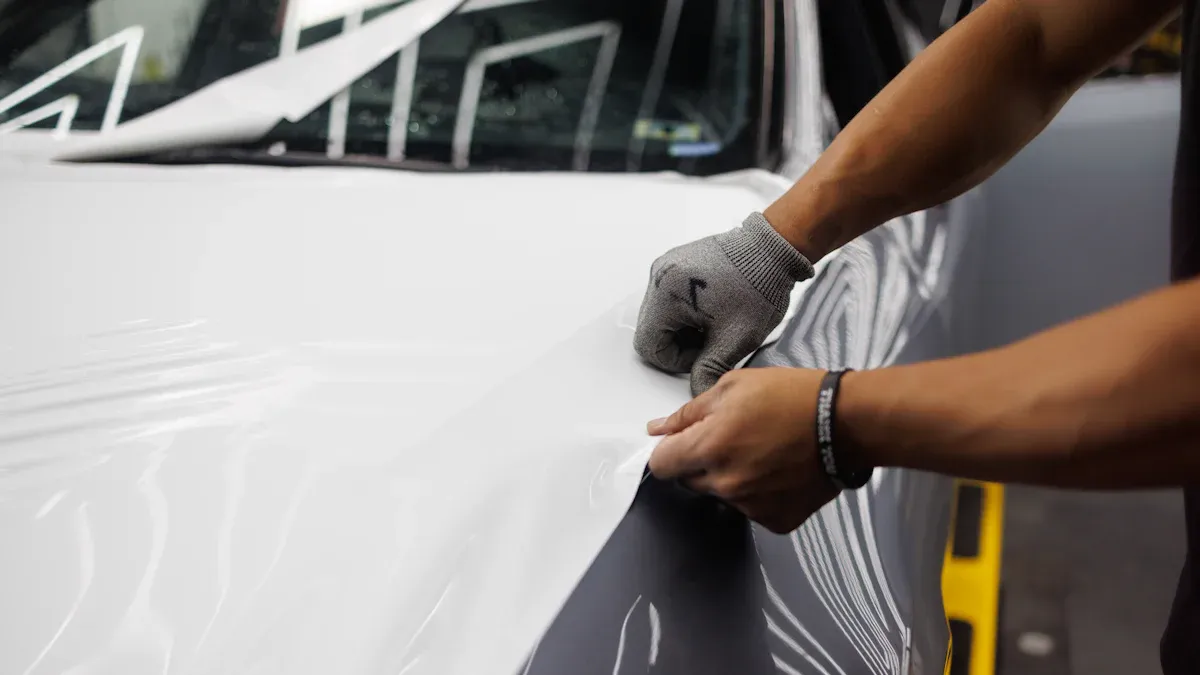
If you want to save money on a wrap, do not skip important steps. These steps help your wrap last and look good. Check three main things: laminate choices, warranty terms, and prep and aftercare steps.
Laminate Choices
Laminate works like a shield for your wrap. It keeps colors bright and protects the wrap. There are different types, and each has its own benefits. Look at this table to see the main types:
|
Type of Laminate |
Benefits |
|---|---|
|
Cast Laminate |
Very flexible, bright colors, lasts a long time |
|
Calendared Laminate |
Good for short use, works in easy conditions |
|
Liquid Laminate |
Strong protection, uses resins and UV blockers |
You also need to pick the right finish. Glossy finishes are shiny and stand out. Matte finishes are smooth and do not shine much. Ask about laminate thickness when you talk about price. Most wraps use 1.2 to 2.0 mil thickness. Thicker laminates, like 2.0 mil, last longer and bend better.
Tip: Always check the laminate type and finish before you talk about price. This helps you avoid hidden downgrades.
Warranty Terms
A good warranty keeps your money safe. You should know what is covered and how long it lasts. Look at this table for common warranty terms:
|
Warranty Aspect |
Details |
|---|---|
|
Material Coverage |
Covers new film and installation if the wrap fails from defects |
|
Installation Warranty |
Changes by provider; some give special terms for installation quality |
|
Conditions Affecting Warranty |
Care, weather, and sunlight can change if the warranty works |
Most providers give a one-year warranty for installation. Some do not cover flat surfaces like hoods and roofs because sun can wear them out faster. Vinyl on original paint often has a warranty against glue problems for up to four years. Window perforated material usually has a one-year warranty.
Note: Always ask for warranty details in writing when you talk about price. This keeps you safe if problems happen later.
Prep and Aftercare Steps
Good prep and aftercare keep your wrap looking nice. Confirm these steps with your provider:
-
Make sure the surface is clean before starting.
-
Use the right tension when installing.
-
Do not stretch the vinyl too much.
-
Seal the edges well.
-
Pick high-quality vinyl.
-
Use an installer with experience.
-
Wait 48–72 hours before washing after install.
-
Wash by hand, not in automatic car washes.
-
Stay away from strong chemicals.
-
Use soaps made for wraps.
-
Park in the shade if you can.
-
Ask about UV sprays for extra protection.
Tip: Good prep and aftercare steps help your wrap last longer and look better. Confirm these steps before you talk about price.
By checking these quality essentials, you protect your wrap from common problems. You also get more power when you talk about price. You can save money by making smart choices, not by lowering quality.
Negotiating for Added Value
When you start to negotiate, you can ask for more than just a lower price. You can get a better deal by asking for extras, flexible scheduling, and easier payment terms. These tips help you add value without lowering print quality.
Extras and Freebies
You can ask your provider for extras or freebies. Many companies give bonus services to make deals better. You might get a month of premium support or a longer free trial. These extras help you feel good about your wrap and make the price seem fair.
Giving extra products or services, like a month of free premium support or a longer free trial, can make the price feel worth it to customers. Free trials are great for showing new customers the value of a service.
You can also ask for free design changes or aftercare kits. Some providers may add a basic logo or give extra cleaning supplies. These perks help you get a good deal and keep your wrap looking nice. If you want to learn more about quality extras, check out BLOG(Quality Assessment).
Flexible Scheduling
Flexible scheduling can help you save money and feel less stressed. You can ask your provider to work around your busy times or offer off-peak slots. This works well for car buying and wrap jobs. If you schedule your wrap during slow times, you may get a better price or faster service.
You can also ask for phased installation. This means you wrap the most important panels first and finish the rest later. Providers often agree to phased plans if you explain your needs clearly. For more scheduling choices, visit PP or CD.
Tip: Flexible scheduling helps you avoid delays and get the best value from your wrap provider.
Payment Terms
Payment terms are important in negotiation. You can ask for terms that fit your budget and timeline. Many wrap jobs use deposits and final payments. Some jobs need full payment upfront, especially for custom work.
|
Payment Terms |
Details |
|---|---|
|
Deposit |
50% at order confirmation |
|
Final Payment |
Balance due before collection or delivery |
|
Late Payment |
Invoices unpaid within 15 days get a finance charge |
|
Special Cases |
You can ask for longer payment windows or split payments. This helps you manage your money and get a good deal. If you want to see more payment options, check OTHER.
Note: Always check payment terms before you sign. Clear terms protect you and help you avoid hidden fees.
When you negotiate, focus on added value. Extras, flexible scheduling, and payment terms help you get a good deal and keep print quality high. You can use these strategies to negotiate wrap prices without losing quality.
Effective Negotiation Communication
Talking clearly helps you get better results. When you speak with a wrap provider, make your needs easy to understand. This stops confusion and builds trust. Good communication keeps print quality high while saving money.
State Priorities Clearly
You should know what matters most before you start. When you share your priorities, the provider understands your goals. This makes finding solutions easier for both sides. Here are some steps you can follow:
-
Learn about the provider and their history.
-
Try to see what the provider wants from the project.
-
Set your own goals and decide what you want.
-
Think about what you can give up to reach an agreement.
Following these steps shows you are ready. It also helps you get a fair deal and keep quality high.
Build Collaboration
Working together with your provider brings better results. Treat the provider as a partner so you both benefit. Collaboration helps manage costs, control risks, and find new ideas. The table below shows how teamwork helps your negotiation:
|
Benefit |
Description |
|---|---|
|
Comprehensive Cost Management |
You and the provider can manage costs and get a fair price. |
|
Improved Risk Control |
You spot problems early and fix them before they grow. |
|
Unlocking Innovation Potential |
Providers may share new ideas when they feel like partners. |
|
Greater Transparency |
You get clear pricing and long-term value from open talks. |
|
Enhanced Support |
Providers give better service when they see you as a partner. |
Building a strong relationship makes it easier to ask for changes or extras. This helps you keep print quality high and get the most value from your wrap.
Request References
Always ask for references before making a deal. References help you check the provider’s past work. You can ask for photos of finished wraps or talk to other customers. This step gives you peace of mind and helps you avoid problems later.
Tip: Ask the provider for at least two references from recent projects. Look for feedback about quality, timing, and customer service.
Good communication makes every negotiation easier. When you share your priorities, build a partnership, and check references, you protect your investment and keep your wrap looking great.
Red Flags in Negotiation
When you talk about a wrap quote, watch for warning signs. These red flags can mean problems with quality or hidden costs. They can also show the provider is not reliable. If you spot these issues early, you protect your money and keep print quality high.
Vague Quotes
Sometimes you get a quote that looks simple but has little detail. Vague quotes make it hard to know what you pay for. If you see unclear prices or missing info, ask questions right away.
-
Look for lists of materials, labor, and prep steps.
-
Ask if the quote covers all parts of the job.
-
Check for hidden fees or extra charges.
If a provider cannot explain their quote, you might pay more later or get lower quality. Clear quotes help you compare options and make smart choices.
Here is a table showing common red flag categories in negotiations:
|
Red Flag Category |
Description |
|---|---|
|
Structural Integrity |
Watch for unclear project scope or missing details that signal weak foundations. |
|
Roofing and Exterior |
Check for incomplete coverage or skipped prep steps that affect durability. |
|
HVAC and Plumbing |
Be aware of missing aftercare or maintenance details that may cause issues later. |
|
Electrical and Safety |
Identify gaps in safety steps or outdated installation practices that pose risks. |
No Warranty
If a wrap quote does not include a warranty, that is a big red flag. You need a warranty to protect your wrap from problems or mistakes. If a provider does not give clear warranty terms, you may have to pay for repairs or replacements.
-
Ask for warranty details in writing.
-
Check what the warranty covers and how long it lasts.
-
Make sure the warranty covers both materials and installation.
A strong warranty means the provider stands behind their work. You feel safe and your wrap stays looking good.
Poor Communication
Communication shapes your wrap project from start to finish. If a provider answers slowly, avoids your questions, or gives unclear answers, be careful. Poor communication can cause mistakes, delays, and frustration.
Research shows teams with good communication feel happy and satisfied. Projects finish on time and within budget. When communication breaks down, people feel worried and lose interest. This can lead to missed deadlines and bad results.
-
Pick providers who answer your questions quickly.
-
Look for clear updates and honest feedback.
-
Make sure you understand every step of the process.
Good communication builds trust and helps you get the best value. You avoid confusion and keep print quality high.
Spotting these red flags helps you negotiate wrap prices wisely. You protect your budget and make sure your wrap meets your standards.
You can talk with a provider about a wrap quote and still get a good deal. Focus on getting value and keeping quality high. Speak clearly and try to build a good relationship with the supplier. Make sure you manage the project scope and check important quality steps to protect your money.
-
Ask for clear details in every quote.
-
Decide what you need and use simple scripts to help your talks.
-
Follow this checklist to help you negotiate:
|
Checklist Item |
Description |
|---|---|
|
Data Collection |
Get all project details before you answer a quote. |
|
Define Non-Negotiables |
Set your budget and quality rules early. |
|
Structure Offers |
Give offers that are fair for both sides. |
Watch out for warning signs. Use these tips to get the best quote and keep your wrap looking great.
FAQ
What should I ask for in a wrap quote?
You should ask for a full breakdown of costs. Request details about materials, labor, prep steps, and warranty. This helps you see where your money goes and compare providers.
How can I lower my wrap cost without losing quality?
You can reduce the project scope. Choose a phased plan, use simple backgrounds, or wrap fewer complex panels. These steps help you save money while keeping print quality high.
Why is an itemized quote important?
An itemized quote shows each part of the job. You can spot hidden fees and check for quality materials. This makes it easier to compare offers and avoid surprises.
What are signs of a low-quality wrap quote?
Watch for vague quotes, missing warranty details, or poor communication. These signs can mean hidden costs or lower quality. Always ask questions if something is not clear.
How do I confirm the quality of materials?
Ask for the brand and grade of vinyl, laminate, and ink. Request samples if possible. Check that the provider uses high-quality materials for every part of your wrap.
What should I know about wrap warranties?
A good warranty covers both materials and installation. Ask for the terms in writing. Make sure you understand what is included and how long the coverage lasts.
Can I negotiate payment terms?
Yes, you can ask for flexible payment options. Some providers offer split payments or longer payment windows. This helps you manage your budget and plan your project.
How do I check a provider’s reputation?
Request references from recent customers. Look for photos of past work. Read reviews online to see if others had good experiences with the provider.