Motorcycle Wrap Cost Guide: Fairings vs Tank vs Full Kit + Heat/Fuel Considerations


You want to know the Motorcycle Wrap Cost before you choose. Here is a quick look at average prices from recent market data:
|
Wrap Type |
Average Cost Range |
|---|---|
|
Partial (Tank/Fairings) |
$250–$1,000 |
|
Full Wrap – Standard |
$1,500–$2,500 |
|
Full Wrap – Custom |
$2,500–$4,000+ |
|
DIY Kit (Full Coverage) |
$300–$600 |
Heat and fuel can change how long your motorcycle wrapping lasts. Good materials keep your bike safe and let you change its look for less money than painting.



Key Takeaways
-
Motorcycle wraps cost less than painting. Prices go from $250 to $4,000. The price depends on the type and how hard it is.
-
Wrapping keeps the paint safe. You can change the style easily. It does not hurt the bike’s value.
-
Pick cast vinyl if you want it to last longer. It looks better, especially on tricky curves and fairings.
-
Doing the wrap yourself saves money. But you need patience and skill. Getting a pro to do it gives the best results.
-
You must prepare the surface well. Seal the edges carefully. If you skip these steps, the wrap may peel or bubble.
-
Fuel and heat can harm wraps. Use fuel-resistant vinyl near the gas tank. Use heat-resistant materials near the engine.
-
Clean your wrap gently and fix damage quickly. This keeps it looking good and helps it last longer.
-
Partial wraps cost less. You can customize certain parts. You do not have to pay for a full wrap.
Motorcycle Wrapping Overview
What Is Motorcycle Wrapping
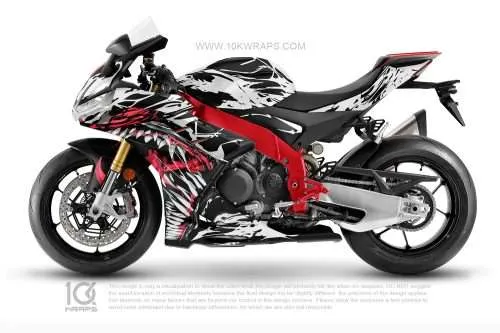
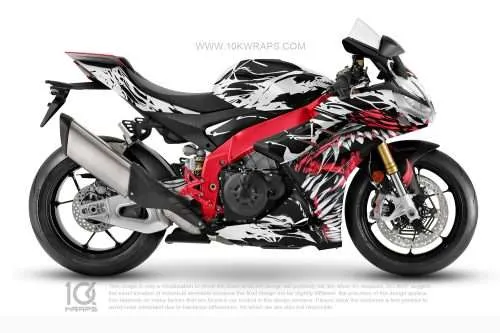
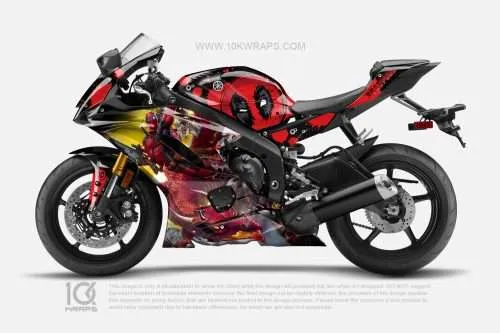
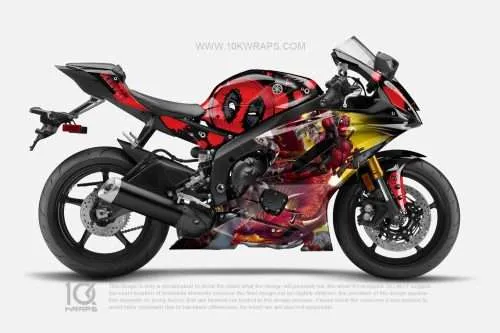
You can change how your motorcycle looks without using paint. Motorcycle wrapping uses vinyl sheets to cover parts of your bike. These parts can be fairings, tanks, or the whole motorcycle. You can pick colors, patterns, or graphics for your wrap. The wrap keeps the original paint safe and makes your bike unique. Many people like wrapping because it does not harm the surface. You can take off the wrap if you want a new look or plan to sell your bike.
Benefits vs. Painting
You may ask why wrapping is better than painting. Wrapping has many good points:
-
Wrapping costs less than painting your whole bike. A wrap is about $800 to $2,700. Painting usually starts at $1,500.
-
Wrapping takes less time. Your motorcycle will be ready faster.
-
You can change the style whenever you want. Wraps are easy to remove, so you do not have to keep the same look.
-
The original paint stays safe under the wrap. This helps your bike keep its value.
-
You do not need to wax or polish often. Vinyl wraps are simple to clean.
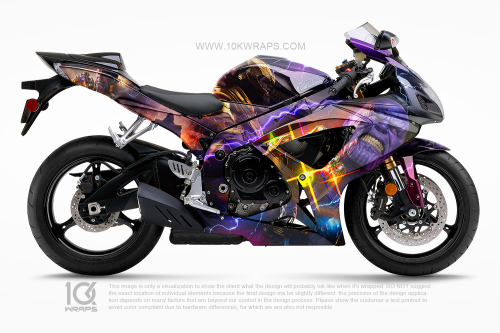
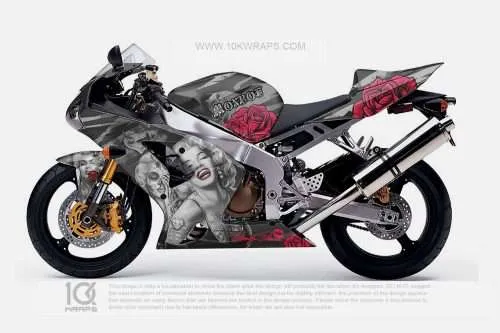
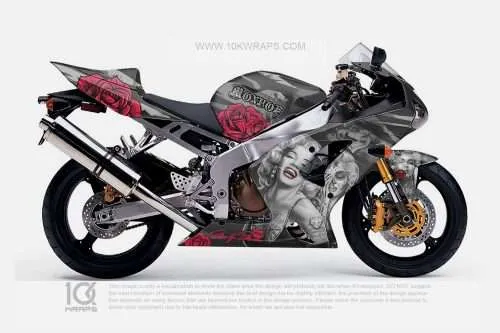
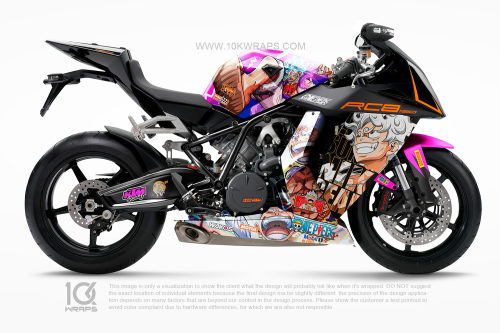
Tip: If you want special designs or anime art, wrapping is cheaper than custom paint.
Common Wrap Materials
You should pick the right material for how long it lasts and how it looks. Most wraps use vinyl. There are two main types of vinyl:
|
Material |
Properties |
Durability |
Appearance |
|---|---|---|---|
|
Cast Vinyl |
Stretches well, lasts long, fits curved shapes |
Looks very good |
|
|
Calendared Vinyl |
Stiffer, best for flat parts, costs less |
1 to 2 years |
Not as nice looking |
Cast vinyl is best for curved parts and fairings. Calendared vinyl works well on flat areas and is cheaper. Think about how long you want the wrap to last and how you want it to look. Good vinyl keeps its color and lasts longer. If you want your wrap to stay nice, cast vinyl is the best choice.
Note: Premium vinyl costs more at first, but you save money later because you do not need to replace it as often.
Wrapping Process Steps
You can transform your motorcycle with a wrap by following a clear process. This process helps you get the best results and avoid mistakes. You do not need special skills, but you must pay attention to each step. Here is a simple guide to help you understand how wrapping works.
-
Clean and Prep the Surface
Start by washing your motorcycle. Remove dirt, grease, and old wax. Use a mild cleaner and a soft cloth. Make sure the surface is dry. If you skip this step, the vinyl may not stick well.Tip: Spend extra time cleaning the tank and fairings. These parts show the most and cost more to wrap again if you make mistakes.
-
Measure and Cut the Vinyl
Measure each panel you want to wrap. Cut the vinyl sheets a bit larger than the panel size. This gives you room to adjust and trim.Note: Buying a wrap kit saves money because you get pre-cut vinyl for your motorcycle model.
-
Apply the Vinyl
Peel the backing off the vinyl. Place the sheet on the panel. Use a squeegee to press the vinyl down. Work from the center out to remove air bubbles. Stretch the vinyl gently over curves.Tip: Use a heat gun to soften the vinyl. This helps it fit tight curves and edges.
-
Trim and Seal Edges
Trim extra vinyl with a sharp blade. Seal the edges to stop peeling. Press down the edges with your fingers or a tool.Alert: Sealing edges is important. If you skip this, the wrap may lift and cost more to fix.
-
Check for Bubbles and Finish
Look for bubbles or wrinkles. Use a pin to pop bubbles and smooth them out. Let the wrap sit for 24 hours before riding your motorcycle.Tip: If you see big bubbles, press them out with a squeegee. Small bubbles often disappear after a few days.
Table: Common Tools for Wrapping
|
Tool |
Purpose |
|---|---|
|
Squeegee |
Smooths vinyl |
|
Heat Gun |
Softens vinyl |
|
Blade |
Trims vinyl |
|
Cleaner |
Preps surface |
You can wrap your motorcycle yourself or hire a pro. DIY wrapping saves money, but takes time and patience. Professional installers charge more, but you get a perfect finish. If you want to save on motorcycle wrap cost, try a DIY kit. These kits include vinyl sheets, tools, and instructions.
Remember: Good prep and careful steps help your wrap last longer and look better. Quality vinyl and proper sealing protect your motorcycle and keep costs down over time.
Motorcycle Wrap Cost Breakdown
Fairing Wrap Cost
Average Price Range ($200–$600)
You can expect to pay between $200 and $600 to wrap the fairings on your motorcycle. The price depends on the type of bike and the amount of vinyl needed. Sport bikes usually cost more because they have larger and more complex fairings. Cruisers and scooters often cost less since their fairings cover smaller areas.
Here is a table showing average partial wrap costs for different motorcycle types:
|
Type of Motorcycle |
Average Partial Wrap Cost |
Vinyl Required |
|---|---|---|
|
Sport Bike |
$300 – $600 |
45-55 sq.ft. |
|
Cruiser |
$250 – $500 |
55-65 sq.ft. |
|
Touring |
$400 – $800 |
70-90 sq.ft. |
|
Dirt Bike |
$150 – $300 |
25-35 sq.ft. |
|
Scooter |
$200 – $400 |
40-50 sq.ft. |
Tip: If you want a fairing wrap that lasts longer, choose premium vinyl like 3m. It resists fading and peeling.
Panel Count & Curves
The number of panels and the shape of the fairings affect the motorcycle wrap cost. More panels mean you need more vinyl and more labor. Curved fairings require skill and extra time to apply the wrap smoothly. If your motorcycle has many accessories or sharp curves, the installer must plan carefully and use advanced techniques.
-
More panels increase material needs and labor time.
-
Complex curves require stretching and heating the vinyl.
-
Full fairings on sport bikes need extra vinyl and careful seam management.
-
Accessories and obstructions add to the difficulty and cost.
-
Large motorcycles with many panels need strategic planning for seams.
Note: If you want a custom design or protection laminate, the price goes up. Laminate adds durability and keeps your wrap looking new.
[Learn more about fairing wraps and protection options at PP and MOTO.]
Tank Wrap Cost
Average Price Range ($100–$300)
Wrapping the tank costs between $100 and $300 for most motorcycles. The price depends on the shape of the tank and the type of vinyl you choose. Standard flat tanks with basic colors cost less. Tanks with complex curves or custom graphics cost more.
-
The average cost for wrapping a motorcycle tank ranges from $150 to $600.
-
Simple tanks with gloss colors usually stay under $300.
-
Complex tanks need premium vinyl and skilled labor, raising the price.
Fuel Exposure Issues
The tank faces fuel spills and sunlight. These factors affect the cost and material selection. You should use high-quality vinyl and protection laminate for tanks. Premium materials resist fuel and UV damage. If you use standard vinyl, the wrap may fade or bubble.
-
Fuel exposure increases the need for durable vinyl.
-
Sunlight can cause cheaper wraps to fade.
-
Protection laminate helps the wrap last longer.
Alert: Always ask your installer about fuel-resistant vinyl for tank wraps.
[Find tank wrap tips and material choices at CD.]
Full Kit Wrap Cost
Average Price Range ($1,500–$3,500)
A full kit wrap covers all visible panels, including fairings, tank, and side covers. The motorcycle wrap cost for a full kit ranges from $1,500 to $3,500. Entry-level wraps with standard vinyl cost under $1,000. Premium wraps with special finishes and air-release adhesive cost $1,500 to $3,000 or more.
-
High-quality wraps with UV protection cost $1,500 to $3,000.
-
The complexity of the bike’s surface and desired outcome affect the price.
Kit Budgeting Tips
You can save money by planning your wrap kit. Here are some strategies:
-
Assess the complexity of your motorcycle’s panels.
-
Decide if you want basic colors or custom graphics.
-
Set a realistic budget that includes labor and materials.
-
Research installer portfolios or kit reviews before choosing.
-
Consider a DIY kit if you want to reduce costs. DIY kits include pre-cut vinyl and instructions.
Tip: Premium vinyl lasts longer and protects your motorcycle better. It costs more upfront but saves money over time.
[Explore full kit wrap options and reviews at MOTO.]
Partial vs. Full Wrap
Cost Comparison
You can choose between a partial wrap or a full wrap for your motorcycle. Partial wrapping covers only certain parts, like the tank or fairings. Full wrapping covers every visible panel. The motorcycle wrap cost changes based on your choice.
-
Partial wraps are more affordable. You pay between $1,000 and $1,500 for selected sections, such as the tank or fairings.
-
Full wraps cost more. You pay for extra vinyl and labor. The price starts at $1,500 and can go up to $3,500 for a complete wrap.
-
Partial wraps let you customize specific parts. You can show your style without spending as much as a full wrap.
-
Full wraps protect all painted surfaces. You get a new look for your entire motorcycle.
Tip: If you want to save money, start with a partial wrap. You can add more panels later.
When to Choose Each
You should think about your goals before picking partial or full wrapping. If you want to change the look of your tank or fairings, a partial wrap works well. You spend less and still get a fresh style. If you want full protection or a complete color change, choose a full wrap. Full wraps last longer and cover every panel.
-
Choose partial wrapping if you want to highlight one area or try a new design.
-
Choose full wrapping if you want a total transformation or need extra protection.
-
Partial wraps are good for budget builds or temporary changes.
-
Full wraps are best for long-term use and complex curves.
Note: Premium vinyl like 3m gives better results for both partial and full wraps. It lasts longer and resists fading.
Itasha Bike Wrap Cost
Custom Design Fees
Itasha wraps feature anime or manga graphics. You pay extra for custom designs. Small decals cost between $20 and $50. Full professional wraps range from $400 to over $1,200. The price depends on the size of your motorcycle, the complexity of the artwork, and where you live. Urban areas with many anime fans offer better prices. Rural areas may charge more for shipping or travel.
Wrapping your motorcycle is more affordable than painting. A basic paint job starts at $1,500 and can reach $10,000 for detailed designs. Wraps start at $700 and rarely go above $3,000. You keep your original paint safe and spend less money.
Specialty Materials
You can pick different vinyl types for your Itasha wrap. Specialty materials affect the motorcycle wrap cost and performance. Cast vinyl works best for full wraps and complex curves. It lasts 5 to 7 years and is highly durable. Calendered vinyl costs less and is good for small sections or temporary changes. It lasts 2 to 3 years and is less flexible.
|
Pros |
Cons |
Best For |
|
|---|---|---|---|
|
Cast Vinyl |
Highly conformable, durable (5–7 years) |
More expensive; typically used by professionals |
Full wraps, complex curves, long-term use |
|
Calendered Vinyl |
Lower cost, widely available in basic colors |
Less flexible, prone to lifting on edges, lifespan ~2–3 years |
Small sections, temporary changes, budget builds |
Tip: If you want your wrap to last longer, choose cast vinyl. It handles curves and protects your motorcycle better.
You can use specialty materials to make your motorcycle stand out. The right vinyl keeps your wrap looking fresh and protects against fuel and sunlight. Always ask your installer about the best material for your design.
Factors Affecting Wrap Pricing
Material Quality
Standard vs. Premium Vinyl
The type of vinyl you choose has a big effect on motorcycle wrap cost. Standard vinyl costs less, but it does not last as long. Premium vinyl, like 3m, costs more but gives you better durability and a smoother finish. Some wraps use specialty finishes, which raise the price even more. You should look at both the cost and how long you want your wrap to last.
|
Vinyl Type |
Cost Impact |
Durability Impact |
|---|---|---|
|
Standard Vinyl |
Lower costs |
Basic durability |
|
Premium Vinyl |
Higher costs |
Enhanced durability |
|
Specialty Finishes |
Highest prices |
Varies by finish |
Many riders now pick wrapping over paint because it costs less and you can remove it when you want a new look. New adhesive technology also helps wraps stick better and last longer.
Protection Laminate
A protection laminate adds a clear layer over your vinyl. This layer helps your wrap last 5 to 7 years with good care. It protects your motorcycle from scratches, UV rays, and weather. You spend a little more for this layer, but it saves money in the long run because you do not need to replace damaged panels. Riders like laminates because they keep the tank and fairings looking new.
-
Protection laminates act as a shield against scratches and sun damage.
-
They help your wrap last as long as paint.
-
The extra cost is small compared to the price of fixing or replacing parts.
Tip: Always ask for a protection laminate if you want your wrap to last longer and look better.
Labor: DIY vs. Pro
Cost Differences
You can install a wrap yourself or hire a professional. DIY projects cost less, usually between $50 and $150 for labor. Professional installers charge much more, from $1,000 to $3,000, but you get expert results. The choice depends on your budget and skill level.
|
Installation Type |
Labor Cost Range |
Time Required |
Main Challenges |
|---|---|---|---|
|
DIY |
$50 – $150 |
10 – 20 hours |
Tight spaces, special tools, risk of mistakes |
|
Professional |
$1,000 – $3,000 |
N/A |
Smooth finish, perfect edge alignment |
DIY Difficulty
DIY wrapping takes time and patience. You need tools like a heat gun and squeegee. Tight spaces and curves make the job harder. Mistakes can be hard to fix if you do not have experience. Many riders try DIY to save money, but you should practice on small panels before wrapping the whole motorcycle.
-
DIY saves money but takes 10 to 20 hours.
-
You need to work carefully around curves and edges.
-
Mistakes can raise the total cost if you need to redo panels.
Note: If you want a perfect finish, a professional installer is the best choice.
Bike Size & Panel Count
Curves & Complexity
The size of your motorcycle and the number of panels affect the price. Sport bikes with many curves and panels cost more to wrap. Cruisers and touring bikes often need full coverage, which raises the price. Dirt bikes usually need less vinyl and cost less.
|
Bike Type |
Coverage |
Common Wrap Approach |
|
|---|---|---|---|
|
Sport Bikes |
$400 – $900 |
Partial or full wrap |
Sleek wraps to show off curves |
|
Cruisers/Touring |
$900 – $1,500+ |
Mostly full coverage |
Custom graphics and detailed wraps |
|
Dirt Bikes |
$300 – $600 |
Partial wraps |
Matte or camo for rough use |
More panels and sharp curves mean more time and vinyl. Complex shapes need careful planning and skill. If you want to save money, choose a simple design or fewer panels.
Tip: Plan your kit and budget for extra vinyl if your motorcycle has many curves or accessories.
Location & Shop Rates
Regional Price Variations
Where you live can change how much you pay for a motorcycle wrap. Shop rates in big cities often cost more than in small towns. You might see higher prices in places like Los Angeles, New York, or Chicago. These cities have more demand and higher rent for shops. In smaller towns, you may find lower prices, but you might have fewer choices for installers.
Shops in busy areas often charge more for labor. They may also use premium materials to meet customer demand. If you live in a rural area, you might save money, but you may need to travel farther to find a skilled installer. Some shops in smaller towns offer discounts to attract customers. Always check reviews and ask for quotes from different shops before you decide.
You can see how prices change by looking at different types of motorcycles. Here is a table that shows average wrap costs for full and partial wraps:
|
Motorcycle Type |
Average Full Wrap Cost |
Average Partial Wrap Cost |
Vinyl Required (sq.ft.) |
|---|---|---|---|
|
Sport Bike |
$300 – $600 |
45-55 |
|
|
Cruiser |
$1,000 – $1,800 |
$250 – $500 |
55-65 |
|
Touring Motorcycle |
$1,500 – $3,000 |
$400 – $800 |
70-90 |
|
Dirt Bike |
$400 – $900 |
$150 – $300 |
25-35 |
|
Scooter |
$700 – $1,200 |
$200 – $400 |
40-50 |
If you want to save money, you can try a diy wrap. This option works best if you have some experience and the right tools. You will pay less for labor, but you need to spend time learning and practicing. In some regions, shops may offer package deals or seasonal discounts. Ask about these options when you get a quote.
Prices also change with the time of year. Some shops offer lower rates in winter when business is slow. You can plan your wrap project during these times to get a better deal. Always ask about extra fees, such as removal of old wraps or special finishes. These can add to your total cost.
Tip: Get quotes from at least three shops in your area. Compare their prices, materials, and reviews. This helps you find the best value for your motorcycle wrap.
Location and shop rates play a big role in your final cost. By understanding these factors, you can plan your budget and avoid surprises.
Heat & Fuel Considerations
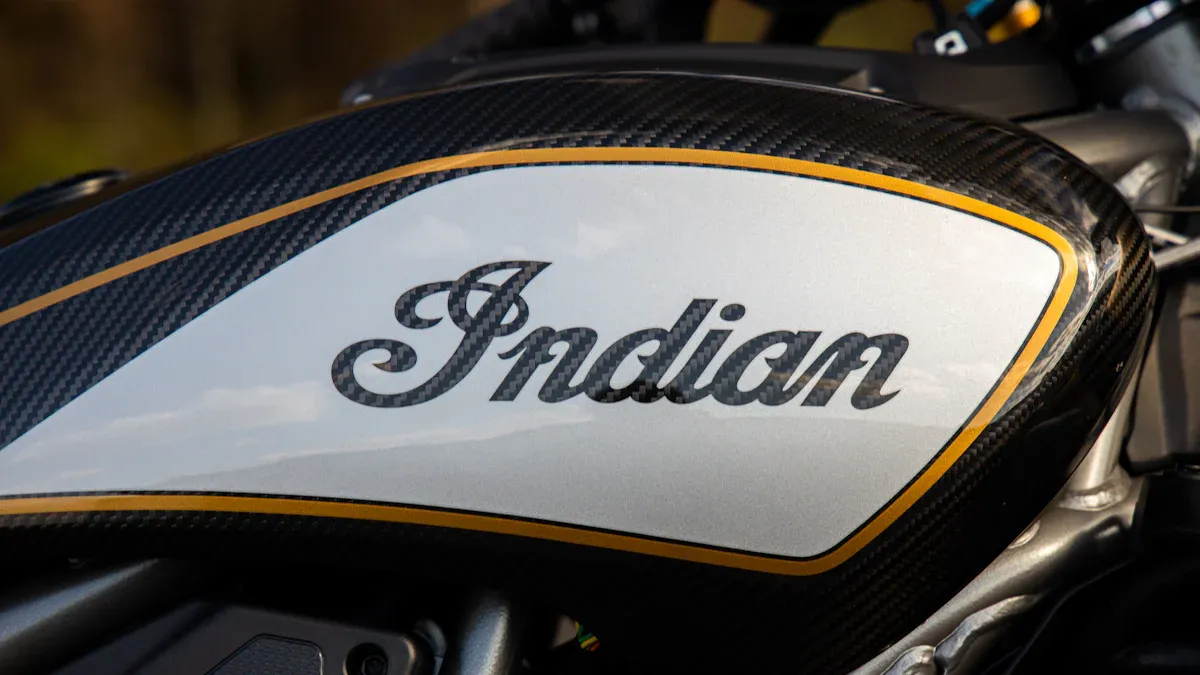
Heat & Wrap Longevity
Engine Proximity
You need to check how close your wrap is to the engine. Parts near hot spots, like exhaust pipes, get more heat. This heat can make wraps fade, bubble, or peel faster. If you want your wrap to last longer, use materials that resist heat. Stainless steel, fiberglass, ceramic coatings, and advanced polymers like EPDM and fluoropolymers protect these areas. Picking the right material keeps your wrap looking good and saves money on repairs.
Heat-Resistant Materials
It is important to use heat-resistant materials for panels near the engine. You can see the differences in the table below:
|
Material Type |
Pros |
Cons |
|---|---|---|
|
Cheap, lowers surface heat, easy to use |
Absorbs water, breaks down faster when wet, may shed bits |
|
|
Basalt Fiber Wrap |
Handles higher heat, resists water |
Stiffer, costs more than fiberglass |
|
Ceramic-Coated Sleeves |
Stops moisture, very strong, lasts over 5 years |
Needs exact fit, harder to install, higher price |
|
Carbon Fiber Composites |
Great heat resistance, strong and light |
Needs careful checking after impacts |
Pick materials that fit your riding style and budget. Using heat-resistant wraps helps you avoid extra costs from replacing wraps often.
Fuel Exposure Risks
Tank Durability
Fuel can weaken tank wraps over time. Gas spills may cause stains or peeling if not cleaned fast. You should wipe away fuel spills right after they happen. Using a tank pad or wrap-safe fuel protector helps stop damage. If you ride a lot, check your tank wrap for signs of wear.
Protective Laminates
Protective laminates make your tank wrap stronger. Calendered vinyl lasts three to five years and resists fuel splashes. Full wrap vinyl films cover the whole tank and protect against UV rays. Premium calendered vinyl works well for daily use, while cast vinyl fits curved tanks better. Pressure-sensitive adhesives help wraps stay in place even with fuel and heat. UV resistance stops fading, especially if you ride in sunny places. Edge seal quality matters for keeping moisture out.
Tip: Pick UV-stabilized materials from trusted brands. Pre-cut kits work best for tricky tanks. Professional installation gives you the best durability.
High-Risk Install Tips
Edge Sealing
You must seal the edges of your wrap to stop lifting and moisture from getting in. If you skip this step, wraps can peel or bubble, especially near the engine or tank. Always follow the instructions from the manufacturer. Use a heat gun to seal edges tightly. Do not overstretch the film and do not reuse old tools.
Maintenance Advice
You can keep your wrap looking new by following simple steps:
-
Use high-quality wraps that resist fuel and UV rays.
-
Clean fuel spills right away.
-
Work in a well-ventilated area and avoid direct heat on sealed tanks.
-
Check wraps often for signs of lifting or damage.
-
Do not skip post-heating after installation.
Alert: Misaligned wraps, lifting edges, and old film residue can raise your cost. Careful installation and regular maintenance help you avoid these problems.
You protect your motorcycle and keep wrapping costs low by picking the right materials and following best practices.
Cost Comparison & Budgeting
Quick Cost Table
You can compare motorcycle wrap cost quickly using this table. It shows average prices for different wrap types and bike sizes. This helps you plan your budget and see which option fits your needs.
|
Wrap Type |
Average Cost Range |
|---|---|
|
Full Wrap |
$1,500 – $2,500 |
|
Partial Wrap |
30–50% less than full |
|
DIY Kits |
Starting at $200 |
|
Sportbikes |
$1,200 – $1,800 |
|
Large Cruisers |
Up to $3,500 |
Note: Partial wraps cost less and let you customize only certain panels. DIY kits save money if you have time and patience.
Kit Budgeting Tips
You can save money and avoid surprises by following these kit budgeting tips:
-
Choose partial wraps for a lower price.
-
Pick simple designs with one or two colors.
-
Select basic finishes like gloss or matte instead of expensive specialty options.
-
Try DIY wrapping if you want to reduce labor costs.
-
Ask shops about off-season rates for better deals.
-
Measure your bike carefully to avoid wasting vinyl.
-
Get quotes from several installers to find the best price.
If you use premium vinyl like 3m, you pay more upfront but your wrap lasts longer. This reduces replacement costs and keeps your motorcycle looking sharp.
Tip: Always plan your wrap project ahead. Set a clear budget and stick to it.
Maintenance & Care
Proper care helps your wrap last longer and keeps your motorcycle looking new. You should follow these steps:
-
Wait at least one week before washing your motorcycle after wrapping.
-
Wash by hand using a soft microfiber cloth and mild detergent.
-
Avoid pressure washers near seams and edges.
-
Never use solvent-based cleaners or waxes, especially on matte finishes.
-
Inspect your wrap monthly for lifting corners or trapped moisture.
-
Store your motorcycle indoors or under a cover when possible.
-
Clean fuel spills right away and follow up with a gentle hand wash.
-
Use dedicated wrap protectants every few months.
-
Park in the shade to protect your wrap from sunlight.
-
Fix peeled edges promptly using a heat gun or vinyl repair kit.
Alert: Regular maintenance ensures your wrap stays vibrant and protective for years. Daily care and monthly check-ups help you spot problems early and avoid costly repairs.
You can keep your motorcycle wrap cost low by choosing the right materials, planning your budget, and caring for your wrap. This approach gives you the best value and keeps your bike looking great.
You can expect fairing wraps to cost $200–$600, tank wraps $100–$300, and full kit wraps $1,500–$3,500. Heat and fuel exposure matter when you choose materials. The table below shows how wraps respond to heat:
|
Material Type |
Heat Resistance Consideration |
|---|---|
|
Paint |
Handles normal temperatures easily. |
|
Wrap |
Standard vinyl may soften near heat; high-temp vinyl works best for exhaust areas. |
To keep costs low and wraps looking sharp, follow these tips:
-
Use skilled installers for edge sealing.
-
Inspect wraps often and fix any issues quickly.
Wrapping lets you customize your motorcycle and protect its paint. You get a fresh look without paying for expensive paint jobs.
FAQ
How long does a motorcycle wrap last?
You can expect a quality wrap to last 3 to 7 years. Premium vinyl and proper care help your wrap stay vibrant and protective. Sunlight and heat may shorten lifespan.
Is wrapping a motorcycle cheaper than painting?
Yes, wrapping costs less than painting. You pay $1,500–$3,500 for a full wrap. Paint jobs often start at $2,000 and go higher for custom designs.
Can you wrap your motorcycle yourself?
You can wrap your motorcycle with a DIY kit. Kits cost $200–$600. You need patience and basic tools. Practice on small panels before wrapping the whole bike.
What makes wrap installation difficult?
Curved panels, tight spaces, and complex shapes make wrapping harder. You must use a heat gun and squeegee. Mistakes can raise your total cost if you need to redo panels.
Does heat from the engine affect wrap cost?
Heat near the engine can cause wraps to fade or peel. You should use heat-resistant vinyl for these areas. Premium materials cost more but last longer.
How does fuel exposure impact tank wrap cost?
Fuel spills may damage tank wraps. You need fuel-resistant vinyl and protective laminate. These materials cost more but help your wrap last longer.
What is the cost difference between partial and full wraps?
Partial wraps cost 30–50% less than full wraps. You pay $250–$1,000 for partial coverage. Full wraps range from $1,500–$3,500. Choose based on your budget and style goals.
Are specialty wraps like Itasha more expensive?
Yes, Itasha wraps with custom anime designs cost more. You pay $400–$1,200 for full graphics. Specialty materials and design fees increase the total price.