How to Choose a Wrap Installer: 10 Things to Check Before You Book


Picking the right person to wrap your vehicle can feel tricky. You want great results, not regrets. With How to Choose a Wrap Installer: 10 Things to Check Before You Book, you get a checklist and interview script that make things simple. Use these tools for peace of mind and a smooth experience.
Key Takeaways
-
Pick an installer who knows what they are doing. This helps stop problems like bubbling and peeling on your wrap.
-
Look at the installer’s portfolio to see their past jobs. Pay attention to how they work on tricky curves and edges.
-
Ask what vinyl brands they use. Good materials last longer and look better.
-
Ask if they offer a warranty. A strong warranty means the installer trusts their own work.
-
Make sure they talk clearly and give you a full quote. This helps you avoid extra costs and surprises.
-
Check that the shop cleans and prepares your car the right way. Good prep helps the wrap stick well.
-
Read reviews from other customers. Reviews can tell you if the installer does good work and is reliable.
-
Go to a few shops before you choose one. Compare their services, prices, and how professional they are.
Why Installer Selection Matters
Choosing the right installer for your vehicle wrap is more important than most people think. You want your vehicle to look sharp and stay protected. The installer you pick can make or break your experience. Let’s look at why this decision matters so much.






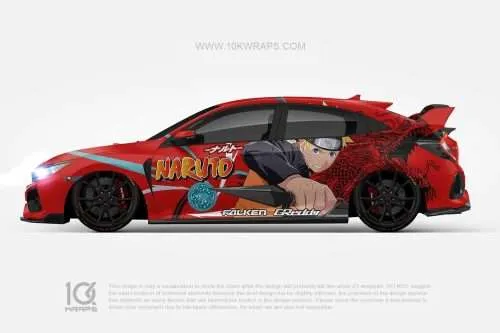
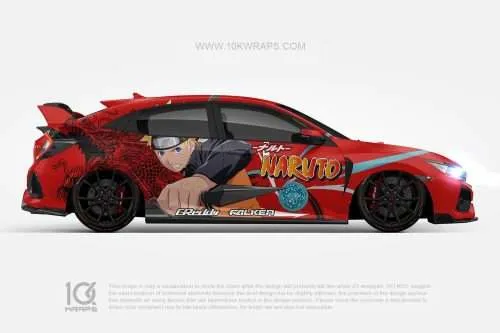
Risks of Poor Installers
When you trust your vehicle to an inexperienced installer, you take some big risks. Many vehicle owners report problems that could have been avoided with a skilled professional. Here are some common issues you might face:
-
Bubbling and peeling, especially on rounded areas of your vehicle
-
Wraps that look blurry or unreadable because of poor graphic design
-
Edges that lift or seams that split after a short time
-
Trouble with future repairs if the wrap was not installed correctly
-
Rushed jobs that skip important cleaning and trimming steps
-
Low quality tools that leave marks or damage the surface
Tip: Always ask about the installer’s process and look for real project photos. This helps you spot red flags before you book.
Impact on Vehicle Wrap Quality
A quality vehicle wrap does more than just look good on day one. It should last, protect your paint, and turn heads for years. The installer’s skill and attention to detail play a huge role in this. Here’s how a professional makes a difference:
-
Uses premium vinyl and laminates that resist fading and UV damage
-
Prepares your vehicle’s surface carefully for strong adhesion
-
Applies the wrap with advanced techniques to avoid weak spots and bubbles
You get a wrap that fits every curve and edge. The colors stay bright, and the finish stays smooth. When you choose a pro, you protect your investment and enjoy a wrap that stands out.
Long-Term Value
Think about the long-term value of your vehicle wrap. A great installer helps you get the most out of your money. Here’s what you gain:
-
Your wrap lasts longer and keeps its fresh look.
-
You avoid costly repairs or early replacements.
-
Your vehicle’s paint stays safe underneath the wrap.
-
You enjoy peace of mind, knowing your vehicle is in good hands.
A little extra effort in choosing the right installer pays off for years. You get quality results and a vehicle you’re proud to show off.
Portfolio Signals
Complex Curves and Edges
When you look at an installer’s portfolio, pay close attention to how they handle tricky spots on a vehicle. Curves, edges, and deep recesses can make or break a vehicle wrap. If the installer knows what they’re doing, you’ll see smooth finishes and no bunching or wrinkles. You want to see proof that they can work with all shapes and surfaces.
Here’s a quick look at some techniques that show real skill:
|
Technique |
Description |
|---|---|
|
Tack-and-adjust hanging |
Lets the installer position panels so everything lines up perfectly. |
|
Squeegeeing from the center |
Pushes out air bubbles for a smooth look. |
|
Heat-gun contouring |
Softens the vinyl so it fits around curves and dips without stretching. |
|
Precision trimming |
Gives you clean edges and a seamless finish. |
If you spot these techniques in their project photos, you know they care about quality. Ask to see close-ups of curved areas and edges. You want to see wraps that look like they belong on the vehicle, not like stickers slapped on top.
Seam Placement
Seams are a big deal in any vehicle wrap. A skilled installer plans where to put seams so they’re almost invisible. You don’t want seams running through logos or important graphics. Good seam placement keeps the wrap looking sharp and helps it last longer.
When you check portfolios, look for these signs:
-
Seams hidden along natural lines of the vehicle
-
No seams cutting through main design elements
-
Edges that stay flat and don’t peel up
Pro tip: Ask the installer how they decide where to place seams. Their answer should show they think about both looks and durability.
Consistency in Results
Consistency tells you a lot about an installer’s work. You want to see the same high standards in every project. If one wrap looks perfect and another looks rushed, that’s a red flag. Look for these signs of steady, reliable work:
-
Every wrap has smooth finishes and clean edges
-
Colors match from panel to panel
-
No bubbles, wrinkles, or lifting spots
A strong portfolio shows you that the installer delivers quality every time. You can trust your vehicle will get the same careful treatment.
Before-and-After Photos
You want to see real proof of what an installer can do. Before-and-after photos give you that. These images show the vehicle before the wrap and after the job is done. You get a clear look at the transformation. You can spot the installer’s skill right away.
When you check these photos, you see more than just a color change. You notice how the installer handles every detail. Look for smooth finishes, sharp lines, and no leftover marks from the old paint. You want to see that the wrap fits the vehicle perfectly. If the installer takes pride in their work, the after photo will look like the wrap was always there.
Here’s what you should look for in before-and-after photos:
-
The wrap covers the vehicle evenly with no gaps or bubbles.
-
Edges and corners look clean and tight.
-
Graphics and colors pop and match the design you expect.
-
The vehicle looks fresh and new, not rushed or sloppy.
Tip: Ask the installer to show close-ups of tricky spots, like mirrors, door handles, and bumpers. These areas test their skill and attention to detail.
Before-and-after photos also help you compare the installer’s claims with real results. Some installers talk big, but their photos tell the real story. You want to see that they can handle different types of vehicles and designs. If you see a variety of projects, you know they have experience.
A good installer will have a gallery or portfolio ready for you. They might show you photos in person or on their website. Take your time and look closely. If you see the same high quality in every project, you can trust them with your vehicle.
You can use these photos to spot problems, too. If you see wrinkles, uneven seams, or faded colors, that’s a warning sign. You want your wrap to look great and last a long time. Before-and-after photos help you make a smart choice.
If you feel unsure, ask the installer to walk you through their process using these photos. Let them explain how they prep the vehicle, apply the wrap, and finish the job. You’ll learn a lot about their standards and care.
Before-and-after photos give you confidence. You see the installer’s skill, attention to detail, and pride in their work. Use these images to guide your decision and get the results you want.
Shop Questions and Material Quality
Warranty and Guarantees
When you go to a wrap shop, ask about their warranty. A good warranty means the shop cares about your happiness. You need to know what happens if there is a problem later. Good shops give strong warranty guarantees and will fix any issues with your wrap. Many shops offer a 5-year warranty on installation. This helps you feel safe for a long time.
Here are things you want in a warranty:
-
It covers bubbling, peeling, or fading.
-
The rules for repairs or replacements are clear.
-
It is easy to make a claim.
If a shop does not want to talk about their warranty, be careful. You should pick a shop that supports their work and helps you if needed.
Tip: Ask for the warranty details in writing before you book.
Prep and Cleaning Process
The prep and cleaning steps are very important for a good wrap. If the shop skips cleaning or goes too fast, the wrap might not stick well. It also might not last long. The shop should clean every part of your vehicle. They must remove all dirt, wax, and oils before they start.
Ask these questions when you visit:
-
How do you clean the vehicle before wrapping?
-
What products do you use for prep?
-
Do you check for old adhesive or paint damage?
Careful prep helps the wrap stick and look nice. Shops that care about quality will always talk about their cleaning steps.
Environment and Storage
The place where the shop works is important for your wrap. Your vehicle should be in a clean, climate-controlled space. Dust, water, or hot and cold air can hurt the wrap. These things can also change how it looks. Ask the shop how they keep vehicles and wraps safe during the job.
Here is a table to help you compare shop spaces:
|
Shop Feature |
Why It Matters |
|---|---|
|
Climate control |
Stops bubbles and wrinkles |
|
Clean workspace |
Keeps dust off the wrap |
|
Secure storage |
Keeps your vehicle safe |
A good shop will tell you how they protect your vehicle and the wrap. If the shop is messy or crowded, you should think again before booking.
Note: The right space helps your wrap last longer and keeps it looking good.
By asking about the warranty, prep, and storage, you make sure your wrap gets the best care. Shops that use good materials and follow careful steps give you results you can trust.
Vinyl Material Brands
When you pick a wrap installer, always ask about the vinyl brands they use. Not all materials are the same. Some brands last longer and look better. You want your vehicle to stand out and stay sharp for years.
High-quality vinyl makes a big difference. Thicker vinyl holds up better against scratches and daily wear. The best brands use strong adhesives, so the wrap sticks tight and does not peel off early. Cheaper materials might save money at first, but they can fade, crack, or lift after just a year or two.
Here’s a quick look at the main types of vinyl you might see:
|
Type of Vinyl |
Characteristics |
Lifespan |
|---|---|---|
|
Cast Vinyl |
Thin, durable, flexible, conforms well to curves |
5–7 years |
|
Calendared Vinyl |
Thicker, less flexible, prone to cracking |
2–3 years |
You want your installer to use cast vinyl for most full wraps. It bends around curves and edges without trouble. Calendared vinyl works for simple, flat surfaces or short-term wraps, but it does not last as long.
Ask your installer these questions:
-
Which vinyl brands do you use for wraps?
-
Is the vinyl cast or calendared?
-
How do you make sure the materials will last?
Premium brands like 3M, Avery Dennison, and Oracal are trusted in the industry. They resist UV rays, weather, and frequent washing. This helps your wrap keep its color and stick well over time. If your installer uses off-brand or generic vinyl, you might see problems sooner.
Tip: Always ask to see samples of the vinyl before you book. You can feel the difference in quality.
Project Timeline
You want to know how long your wrap will take. A clear timeline helps you plan and shows that the shop is organized. Most installers can give you a schedule based on your vehicle type and the size of the job.
Here’s what you can expect for different vehicles:
|
Vehicle Category |
|
|---|---|
|
Compact / Sedan |
3 – 4 Days |
|
Small SUV / Crossover |
4 – 5 Days |
|
Large SUV / Truck |
5 – 7 Days |
|
Supercar / Exotic |
5 – 7+ Days |
|
Partial Wrap |
1 – 2 Days |
Ask your installer:
-
When can you start?
-
How many days will the wrap take?
-
Do you need my vehicle overnight?
A good shop will explain each step. They will tell you when to drop off your vehicle and when to pick it up. If a shop promises a full wrap in just one day, be careful. Rushed jobs often skip important steps and can lead to problems later.
Note: A clear timeline means the shop values your time and your vehicle.
By asking about vinyl brands and project timelines, you make sure your wrap looks great and lasts. You also avoid surprises and delays.
Installer Certification and Experience
Industry Certifications
When you look for certified installers, you want to see proof that they know their stuff. Industry certifications show you that an installer has passed tests and learned the right skills. You might see badges or certificates on their website or in their shop. Some of the most trusted certifications include:
-
PDAA Certification: This one checks if installers can handle high-quality wraps. You might see Basic or Master levels.
-
3M Preferred Graphics Installer: This badge means the installer can work with all kinds of graphics and wraps. It helps you trust their work.
-
Vehicle & Fleet Wraps Certification: Installers with this certificate have finished online courses and hands-on tests. They know how to wrap vehicles with tricky features like rivets.
If you see these certifications, you know the installer cares about doing a great job. Certified installers often get more training and stay up to date with new techniques. You should ask to see their certificates before you book your installation.
Years of Experience
Experience matters a lot when it comes to vehicle wraps. You want someone who has wrapped many vehicles and solved lots of problems. The best installers have years of practice. Here’s a quick look at how long some top shops have been working:
|
Company |
Years of Experience |
|---|---|
|
Point of View Graphics |
|
|
SFG Wraps |
20+ years |
|
V.I.P. Wraps |
17 years |
When you talk to an installer, ask how long they have been wrapping vehicles. More years usually means better skills and fewer mistakes. You want your wrap to look sharp and last a long time. Certified installers with lots of experience know how to handle tough jobs and keep your vehicle safe.
Ongoing Training
The wrap industry changes fast. New materials and tools come out every year. You want your installer to keep learning and improving. Ask if they go to workshops or take new courses. Certified installers often join training sessions to learn about the latest vinyl brands and techniques.
Here are some questions you can ask:
-
Do you attend industry workshops or seminars?
-
How do you stay updated with new wrap materials?
-
What new skills have you learned this year?
Installers who keep training care about quality and want to give you the best results. You get a wrap that looks fresh and lasts longer. When you choose certified installers who keep learning, you know your vehicle is in good hands.
Customer Reviews and Testimonials
When you want to pick a vehicle wrap installer, reviews from other customers can help a lot. These stories from real people show what the installer is like. You learn about their work, how they act, and what results you might get.
Online reviews let you know if the installer talks to customers well. Good communication means you always know what is happening. You find out when your car will be ready. You also understand each step of the process. If people say the installer gives clear updates, that is a good thing.
Testimonials tell you if the installer is reliable and acts professional. You want someone who arrives on time and keeps their word. Past customers often say if the job finished on time or if there were delays. Look for reviews that talk about careful work and respect for your car.
Here are things to look for in customer feedback:
-
Staff who are nice and helpful
-
Fast answers to questions
-
Honest tips about wrap choices
-
Vehicles handled with care
-
No surprise costs or hidden fees
If you see these points in many reviews, the installer cares about making customers happy. When people praise the installer again and again, you can trust them with your wrap.
Tip: Always read the newest reviews. Installers can change, so recent feedback shows what they are like now.
You can use a simple table to compare installers by their reviews:
|
Installer Name |
Communication |
Reliability |
Customer Satisfaction |
|---|---|---|---|
|
Wrap Masters |
👍 |
👍 |
👍 |
|
Pro Vehicle Wraps |
👍 |
👎 |
👍 |
|
Fast Wraps |
👎 |
👎 |
👎 |
Reading testimonials helps you spot problems. If people complain about bad prep, late jobs, or messy seams, pick another shop. Certified installers often have reviews that mention their training and skill. Look for words like “certified” and “professional” in the reviews.
Ask the installer for references, too. Talking to past customers gives you more trust. You can ask about their experience and if they would use the installer again.
Customer reviews and testimonials give you the real story. You learn what the installer does well and what they need to fix. When you see lots of happy customers and good ratings, you know you are making a smart choice.
Red Flags to Avoid
No Prep or Cleaning Mentioned
You want your wrap to last and look sharp. If an installer skips talking about prep or cleaning, that’s a big warning sign. Prep is the first step in any good installation. Dirt, wax, or old adhesive can stop the vinyl from sticking. If you hear nothing about cleaning, ask questions right away. A pro will always explain how they clean your vehicle before starting. They might use special cleaners or tools to make sure every surface is ready. If you don’t get a clear answer, you should look for another shop.
No Seam Plan
Seams are tricky. If your installer doesn’t mention a seam plan, you could end up with problems. Seams need careful planning so your wrap looks smooth and lasts longer. Here’s what can go wrong without a seam plan:
-
Air bubbles can get trapped, making the wrap peel or look uneven.
-
Wrinkling happens when vinyl stretches the wrong way and can’t be fixed.
-
Misalignment can ruin your graphics, even if the rest of the wrap looks fine.
Ask your installer how they plan seams. They should know where to hide them and how to keep your design safe. If they seem unsure, you might want to keep searching.
Rushed or Vague Pricing
Pricing should be clear and fair. If an installer gives you a quick quote without details, watch out. Rushed or vague pricing often means hidden costs. You could end up paying more for things you didn’t expect. Here are some common cost items and their price ranges:
|
Cost Item |
Estimated Price Range |
|---|---|
|
Paint correction before wrapping |
|
|
Removal of old wrap |
$300–$700 |
|
Surface repair (dents, scratches) |
Varies |
|
Sealing or ceramic coating over wrap |
$200–$500 |
|
Rush service fee |
15–30% markup |
If you don’t get a written quote, you might miss extra charges. Always ask for a breakdown of costs. Good installers will explain every part of the job, from prep to warranty. They want you to feel safe and know what you’re paying for.
Tip: If the price seems too good to be true, it probably is. Unrealistically low prices, unclear terms, and poor communication are all signs you should walk away.
A smart choice means you avoid these red flags. You get a wrap that looks great, lasts longer, and protects your vehicle.
Reluctance to Show Portfolio
You want to see proof before you trust someone with your vehicle. If an installer hesitates or refuses to show you their portfolio, that’s a big red flag. You deserve to see real examples of their work. A good installer feels proud of their wraps and loves to show them off. When someone hides their past projects, you should start asking questions.
Why does a portfolio matter so much? You get to see how the installer handles tough spots like curves, seams, and edges. You spot their skill with different vehicles and designs. You also check for consistency. If you only see one or two photos, or if the installer says they “don’t have any,” you need to dig deeper.
Here’s what you should expect from a professional installer:
-
A gallery of before-and-after photos
-
Close-ups of tricky areas like mirrors and bumpers
-
Examples of wraps on different vehicle types
-
Shots that show the wrap up close, not just from far away
If the installer only shows you stock images or generic pictures, that’s not enough. You want real photos from actual jobs. You want to see the details. Ask for photos of recent projects. If they say no, ask why.
Tip: If an installer says their work is “confidential” or “not available,” you should be careful. Most happy customers love to show off their vehicles. Many shops even have permission to share photos online or in their shop.
You can use a simple checklist when you review a portfolio:
|
Portfolio Feature |
What to Look For |
|---|---|
|
Variety of vehicles |
Cars, trucks, vans, exotics |
|
Detail shots |
Edges, seams, curves |
|
Consistent quality |
No bubbles, wrinkles, or gaps |
|
Design placement |
Graphics line up and look sharp |
If you see these things, you know the installer cares about quality. If you don’t, you might want to keep looking.
Sometimes, installers say they’re “too busy” to take photos. That’s not a good excuse. You want someone who takes pride in their work and wants you to feel confident. If you feel unsure, ask for references or contact past customers. Most pros will gladly connect you.
Remember, your vehicle is valuable. You want the wrap to look great and last a long time. Seeing a strong portfolio helps you make a smart choice. Don’t settle for vague answers or empty promises. You deserve to see the proof.
How to Collaborate with Installers
Working with installers can make your vehicle wrap project easier and more fun. You get better results when you share your ideas and listen to their advice. Let’s look at how you can team up for the best wrap possible.
Design Placement Support
You want your wrap to look great from every angle. Good installers help you figure out where to place logos, colors, and graphics. They know which spots get the most attention on the road. When you talk about your goals and preferences, you help them create a design that fits your style.
Here’s why close teamwork matters:
-
You give clear input about what you want.
-
You get timely feedback to help shape the final look.
-
You trust their experience with vehicles, so your wrap stands out.
Ask your installer to show you mockups or samples. You can point out what you like or want to change. They might suggest moving a logo or changing a color so it pops more. This back-and-forth helps you get a wrap that matches your vision.
Tip: Bring photos or sketches to your first meeting. Visuals make it easier to explain your ideas.
Approval Process
You should always see the design before the wrap goes on your vehicle. The approval process lets you check every detail. Most installers will send you a digital proof or printed sample. Take your time and look at the placement, colors, and text.
Here’s a simple approval checklist:
-
Review the design proof for accuracy.
-
Check that logos and graphics are in the right spots.
-
Make sure colors match your brand or style.
-
Ask questions if something looks off.
If you want changes, let the installer know right away. They will update the design and send it back for another look. You only move forward when you feel happy with the design.
Note: Never skip the approval step. It protects you from surprises and mistakes.
Communication and Revisions
Good communication keeps your wrap project on track. You should feel comfortable asking questions and sharing ideas. Installers want you to speak up if you have concerns. Clear messages help everyone avoid confusion.
Here are ways to keep communication strong:
-
Use email or text for updates and questions.
-
Set regular check-ins to talk about progress.
-
Write down any changes you want so nothing gets missed.
If you need revisions, explain what you want changed. The installer will adjust the design and show you the new version. You can ask for tweaks until you feel satisfied. This process makes sure your wrap looks just right.
|
Communication Tip |
Why It Helps |
|---|---|
|
Be specific |
Avoids misunderstandings |
|
Ask for updates |
Keeps you informed |
|
Give feedback |
Improves the final result |
Working together with your installer makes the whole process smoother. You get a wrap that fits your style and stands out on the road.
Vehicle Protection and Safety

When you leave your car at a wrap shop, you want it to be safe. A good installer should keep your car protected the whole time. There are some things you should check before you give them your keys.
Insurance and Liability
Accidents can happen, even if you hope they don’t. That’s why you need to ask about insurance. A good wrap shop has different types of insurance for many problems. Here’s what they should have:
|
Insurance Type |
Purpose |
|---|---|
|
General Liability Insurance |
Protects against third-party claims of bodily injury or property damage from installation. |
|
Professional Liability Insurance |
Covers claims of negligence or faulty workmanship in vehicle wrap projects. |
|
Commercial Auto Insurance |
Protects against vehicle accidents and theft related to service vehicles. |
|
Workers’ Compensation Insurance |
Provides financial protection for workplace injuries and medical expenses for employees. |
|
Property Insurance |
Safeguards business assets against risks like fire, theft, and natural disasters. |
Ask your installer if they have these insurance policies. You want to know your car is covered if something bad happens. If the shop does not answer clearly, you should look for another place.
Tip: Ask to see proof of insurance. A good shop will show you their insurance papers.
Shop Safety Practices
A safe shop keeps your car in good shape. Look for signs that workers follow safety rules. You might see workers wearing gloves and using clean tools. The shop should be tidy and not messy. These things help stop scratches or dents.
Here’s a checklist to help you spot a safe shop:
-
Workers wear safety gear.
-
Tools and supplies are put away.
-
The floor is clean and not crowded.
-
There are safety signs and instructions.
Shops that care about safety also train their workers. They teach everyone how to use wraps and tools the right way. You can ask about their safety training or watch them work for a bit.
Vehicle Storage Security
You want your car to be safe at night or during long jobs. Ask the shop how they keep cars safe when they are closed. A good shop keeps cars inside a locked building. They might have cameras, alarms, or a guard.
Here are some questions you can ask:
-
Do you keep cars inside?
-
Are there cameras or a security system?
-
Who can get into the shop after hours?
Note: Shops that care about security will answer these questions easily.
When you check for insurance, safety, and storage, you help keep your car safe. You feel better and get a better wrap job.
Pricing, Promotions, and Payment
Transparent Pricing
You want to know exactly what you’re paying for when you book a wrap installer. Transparent pricing helps you compare shops and avoid surprises. Most installers base their prices on several things. Take a look at this table to see what affects the cost:
|
Factor |
Description |
|---|---|
|
Vehicle Size |
Larger vehicles need more material and labor, so the price goes up. |
|
Design Complexity |
Custom graphics and detailed designs cost more than simple wraps. |
|
Premium brands like 3M or Avery Dennison cost more but last longer. |
Installers may also consider the type of vinyl, the amount of coverage, and how tricky the job is. You should ask for a written quote that lists each part of the job. This way, you can see if the price matches the level of quality you expect.
Tip: Always ask for a breakdown of costs before you agree to anything. This helps you spot hidden fees and compare offers.
Deposit and Payment Terms
Most wrap shops ask for a deposit before they start your project. This shows you’re serious and helps them order materials. You’ll usually pay a 50% deposit when you sign the order. Some jobs, like custom wraps, may need a bigger deposit or even full payment upfront.
Here’s what you can expect:
-
A 50% deposit is due when you book your wrap.
-
The rest of the payment is due before you pick up your vehicle.
-
For special jobs, you might pay 75% or even 100% up front.
Installers want to make sure you understand these terms. Ask about payment methods and when you need to pay. If you have questions, get the answers in writing.
Note: Paying a deposit protects both you and the installer. It also helps the shop order high-quality materials for your wrap.
Hidden Costs
Nobody likes surprise charges. You should know about possible hidden costs before you book. Some common extras include rust repair, dent removal, or taking off old graphics. If your vehicle needs trim pieces removed and put back, that can add to the price.
Here’s a quick list of things that might cost extra:
-
Rust repair or fixing dents.
-
Removing old wraps or coatings.
-
Disassembling and reassembling trim pieces.
Choosing a cheaper wrap might seem smart, but it can lead to problems. Low-cost jobs often use poor materials or skip important steps. You could end up with edges lifting, shrinkage, or even wrap failure. If something goes wrong, you might not have any warranty or support.
Callout: Ask your installer about all possible costs up front. Make sure your quote includes everything, so you get the quality and warranty you deserve.
When you understand pricing, deposits, and hidden costs, you can make a smart choice. You get a wrap that looks great and lasts.
How to Choose a Wrap Installer: 10 Things to Check Before You Book (Checklist)
Ready to make your search easier? Here’s your step-by-step guide for how to choose a wrap installer: 10 things to check before you book. Use this checklist to avoid mistakes and get the results you want.
Interview Script for Installers
When you talk to a wrap shop, you want to ask smart questions. This helps you see if they know their stuff and care about your vehicle. Try these questions during your first call or visit:
|
Criteria |
What to Ask Your Installer |
|---|---|
|
“Can you show me your certifications? How do you keep learning new wrap techniques?” |
|
|
Professionalism |
“How long have you been in business? Can I talk to past customers?” |
|
Accountability |
“Do you have insurance? Can you show me your warranty policy and job records?” |
You can also ask:
-
“Do you offer any warranty on installation?”
-
“Where will you store my vehicle during the wrap?”
-
“Do you have a wrap design team to help with graphics?”
-
“Do you follow safety guidelines in your shop?”
-
“How do you clean my vehicle before installing the wrap?”
-
“What other services do you offer?”
-
“Can you give expert advice about wrap care?”
-
“Are there any current promotional offers?”
Tip: Write down the answers. Compare them with other shops later. This makes how to choose a wrap installer: 10 things to check before you book much easier.
Inspection Points at the Shop
Before you book, take a look around the shop. You want to see signs of quality and care. Here’s what to check:
-
Look for beveled edges and sharp corners. These show the installer pays attention to detail.
-
Press on the wrap. It should feel tight and smooth, with no loose or wrinkled spots.
-
Check for any missed spots or sloppy work.
-
Look for dust or debris under the wrap. Clean wraps last longer and look better.
-
Test the wrap’s durability. Press gently to see if it holds its shape.
-
Check for color or texture mismatches. Look at the wrap in different lighting.
If you see problems, ask the installer about them. Good shops will explain their process and fix mistakes. This inspection helps you follow how to choose a wrap installer: 10 things to check before you book.
Note: A clean, organized shop means your vehicle will get the care it deserves.
Comparing Multiple Installers
Don’t settle for the first shop you find. Compare at least two or three installers before you decide. Use this table to keep track:
|
Shop Name |
Vinyl Brand |
Warranty |
Certifications |
Storage |
Safety |
Prep |
Design Team |
Reviews |
Promotions |
|---|---|---|---|---|---|---|---|---|---|
|
Shop 1 |
|
|
|
|
|
|
|
|
|
|
Shop 2 |
|
|
|
|
|
|
|
|
|
|
Shop 3 |
|
|
|
|
|
|
|
|
|
Fill in the answers from your interviews and inspections. This makes how to choose a wrap installer: 10 things to check before you book simple and clear. You can spot which shop offers the best value and service.
Callout: Want your wrap design to look perfect? We can design seam-aware files for your installer. Ask us how!
Use this checklist every time you search for a wrap shop. You’ll feel confident, avoid surprises, and get a wrap that lasts.
Choosing the right installer for your vehicle wrap makes all the difference. Take time to use the checklist before you book. Careful research helps you avoid problems and get results you love. If you want expert advice or need seam-aware design files, just ask. Ready to get started? Reach out today and make your wrap project a success!
FAQ
What certifications should a wrap installer have?
You want your installer to show proof of training. Look for certifications from 3M, Avery Dennison, or PDAA. These show the installer knows how to wrap a vehicle the right way.
How much deposit do I need to pay?
Most shops ask for a deposit before starting your project. You usually pay 50% up front. This helps the shop order materials and reserve time for your vehicle.
What does the warranty cover?
A good warranty covers bubbling, peeling, and fading. Ask for details in writing. You want to know your vehicle wrap will stay looking sharp for years.
How long does a vehicle wrap last?
Wraps can last five to seven years if you care for them. High-quality vinyl and expert installation help your vehicle wrap stay bright and smooth.
Can I see examples of past work?
You should always ask for a portfolio. Look for before-and-after photos of different vehicle types. This helps you see the installer’s skill and attention to detail.
What happens if my vehicle gets damaged during installation?
Ask your installer about insurance and liability. Good shops protect your vehicle while it is in their care. They should have coverage for accidents or damage.
How do I care for my wrapped vehicle?
Wash your vehicle by hand with mild soap. Avoid harsh chemicals and automatic car washes. This keeps your wrap looking fresh and helps it last longer.
How long does the installation take?
Most wraps take three to seven days, depending on your vehicle size and design. Ask your installer for a timeline so you can plan ahead.