


How Much Is the Dirt Bike? A Comprehensive 2024 Pricing Guide for Enthusiasts and Buyers


Key Takeaways-How Much Is the Dirt Bike? A Comprehensive 2024 Pricing Guide for Enthusiasts and Buyers
- Dirt bike prices vary significantly based on brand, type, engine size, and additional features.
- Entry-level dirt bikes are generally priced between $3,000 and $7,000, making them accessible for beginners.
- Mid-range models range from $7,000 to $12,000, offering enhanced performance and durability for intermediate riders.
- High-end dirt bikes can cost upwards of $15,000, featuring advanced technologies and superior materials for professional use.
- Additional costs such as safety gear, maintenance, insurance, and customization can significantly impact the overall investment.
- Understanding regional pricing variations and financing options can help buyers make informed purchasing decisions.
- The dirt bike market is evolving with technological advancements, including the rise of electric models influencing future pricing trends.




Table of Contents
1. Introduction
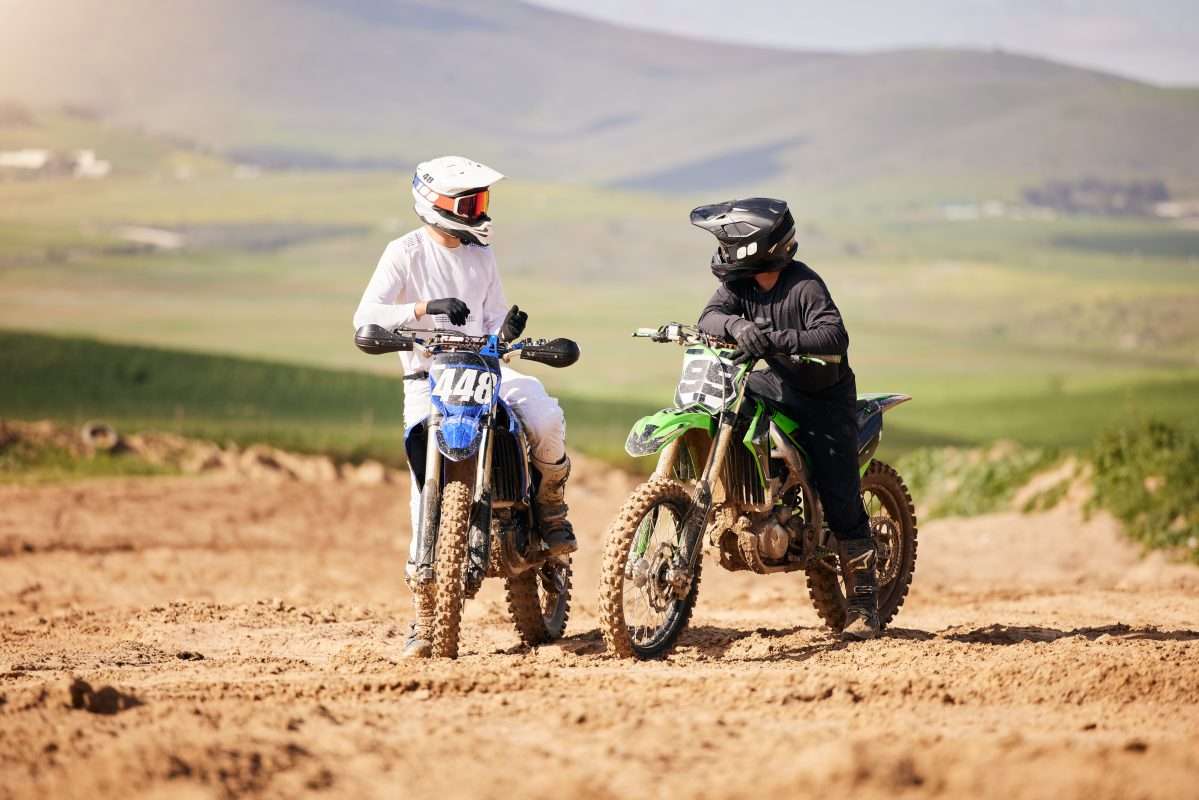
Dirt biking is more than just a hobby; it’s a passionate pursuit that attracts enthusiasts from all walks of life. Whether you’re a beginner eager to hit the trails or a seasoned rider seeking the next upgrade, understanding how much is the dirt bike you desire is crucial for making an informed and financially sound decision. This comprehensive 2024 pricing guide aims to demystify the costs associated with dirt bike ownership, providing detailed insights into the various factors that influence pricing, additional expenses to consider, and future market trends. By equipping yourself with this knowledge, you can navigate the dirt bike market with confidence and ensure that your investment aligns with both your riding aspirations and budget.
2. Factors Influencing Dirt Bike Prices
2.1 Brand and Manufacturer Reputation
The brand of a dirt bike is one of the most significant determinants of its price. Established manufacturers like Yamaha, Honda, KTM, Suzuki, and Husqvarna are renowned for their quality, reliability, and performance. These brands have built strong reputations over decades, investing heavily in research and development to incorporate the latest technologies into their models (Smith, 2023). As a result, bikes from these manufacturers often command higher prices due to their proven track records and the trust they have garnered among riders.
For example, KTM is known for its high-performance bikes favored in competitive motocross and enduro events, which justifies their premium pricing. On the other hand, brands like Honda offer a balance between performance and affordability, making them popular among a broader range of riders. Additionally, the reputation of a brand can influence resale values, as well-maintained bikes from reputable manufacturers tend to retain their value better over time.
2.2 Type and Category of Dirt Bikes
Dirt bikes are categorized based on their intended use and design, which directly impacts their pricing. The primary categories include Motocross, Enduro, Dual-Sport, and Trials bikes. Each type caters to different riding styles and environments, and their features reflect these purposes.
– Motocross Bikes: Designed for short, intense races on closed circuits, motocross bikes are lightweight with powerful engines and advanced suspension systems. They typically range from $6,000 to $12,000 (Johnson, 2022).
– Enduro Bikes: Built for long-distance off-road trails, enduro bikes are more durable and comfortable for extended rides. Their prices usually fall between $5,000 and $15,000.
– Dual-Sport Bikes: Versatile bikes suitable for both on-road and off-road use, dual-sport bikes combine features of motocross and enduro bikes, priced between $4,000 and $14,000.
– Trials Bikes: Specialized for trials riding, these bikes are lightweight with precise handling, often costing between $4,000 and $10,000.
Understanding the category that best suits your riding needs is essential in determining the appropriate price range and ensuring that you select a bike that enhances your riding experience.
2.3 Engine Size and Performance Specifications
Engine displacement, measured in cubic centimeters (cc), is a critical factor influencing the cost of a dirt bike. Generally, larger engines offer more power and higher performance capabilities, which translate to higher prices. For instance, a 250cc dirt bike typically costs between $5,000 and $10,000, while a 450cc model can range from $10,000 to $18,000 (Brown, 2021).
Beyond engine size, other performance specifications such as suspension quality, braking systems, and frame materials also play significant roles in pricing. High-performance suspension systems made from advanced materials like aluminum or carbon fiber enhance ride quality and durability but add to the overall cost. Similarly, bikes equipped with electronic fuel injection, adjustable power outputs, and lightweight components tend to be priced higher due to their enhanced performance features (Brown, 2021).
Additionally, features like dual-clutch transmissions and advanced braking systems contribute to higher performance and, consequently, higher prices. Buyers should consider their riding style and performance needs when selecting a dirt bike to ensure they invest in a model that offers the best value for their specific requirements.
2.4 New vs. Used Dirt Bikes

One of the fundamental decisions when purchasing a dirt bike is whether to buy new or used. Both options come with their own sets of advantages and drawbacks that significantly impact overall costs.
– New Dirt Bikes: New models offer the latest technology, comprehensive warranties, and the assurance of no prior wear and tear. They typically range from $5,000 to $18,000, depending on the brand, model, and specifications. Buying new ensures that you are getting a bike with optimal performance and longevity, backed by manufacturer support and service agreements (Davis, 2023).
– Used Dirt Bikes: Used bikes are generally more affordable, with prices ranging from $1,500 to $10,000. They offer a cost-effective entry point for beginners or riders on a tight budget. However, purchasing a used bike requires careful inspection to assess its condition, mileage, and maintenance history. Potential buyers should be aware of possible hidden costs, such as necessary repairs or part replacements, which can add to the initial savings (Davis, 2023).
When considering a used dirt bike, it is advisable to consult with a mechanic or an experienced rider to evaluate the bike’s condition. Additionally, purchasing from reputable sellers or certified pre-owned programs can mitigate some of the risks associated with buying used equipment.
2.5 Customization and Upgrades

Customizing a dirt bike with aftermarket parts and modifications can significantly enhance its performance, aesthetics, and functionality. However, these upgrades also add to the overall cost, making customization a key factor in the total expense of owning a dirt bike.
Common upgrades include:
- Exhaust Systems: High-performance exhausts can improve engine efficiency and increase power output.
- Suspension Components: Upgraded suspension systems enhance ride quality and handling, particularly in challenging terrains.
- Tires: Specialized tires designed for specific riding conditions can improve traction and performance.
- Braking Systems: Enhanced braking systems provide better control and safety during high-speed maneuvers.
- Body Kits: Custom body parts not only improve the bike’s aesthetics but can also contribute to better aerodynamics.
The cost of customization can vary widely based on the extent of modifications. Minor upgrades might cost a few hundred dollars, while extensive modifications can push the total cost beyond $5,000 or more (Wilson, 2022). It is essential for buyers to prioritize upgrades based on their riding needs and budget to ensure that the modifications provide tangible benefits without overspending.
3. Detailed Price Breakdown by Dirt Bike Type
| Type of Dirt Bike | Price Range (USD) | Recommended Models | Key Features |
|---|---|---|---|
| Entry-Level | $3,000 – $7,000 | Kawasaki KLX230, Honda CRF230F | Manageable power, user-friendly features, durable construction |
| Mid-Range | $7,000 – $12,000 | Yamaha YZ250F, KTM 250 SX-F | Enhanced suspension, higher performance engines, better durability |
| High-End | $12,000 – $18,000+ | KTM 450 SX-F, Honda CRF450R | Advanced technologies, lightweight materials, superior performance |
3.1 Entry-Level Dirt Bikes
Entry-level dirt bikes are designed for beginners and young riders who are new to the sport. These bikes offer manageable power and user-friendly features that make them ideal for learning and developing riding skills. Prices for entry-level models typically range from $3,000 to $7,000, making them accessible for those just starting out.
Recommended Models:
- Kawasaki KLX230: Known for its reliability and ease of handling, the KLX230 is a favorite among beginners for its smooth power delivery and durable build.
- Honda CRF230F: The CRF230F offers a balanced combination of performance and comfort, featuring a robust engine and a user-friendly suspension system.
These models are equipped with features such as automatic transmission, low seat heights, and forgiving power outputs that make learning to ride safer and more enjoyable. Additionally, entry-level bikes often come with warranties and support from manufacturers, providing peace of mind for new riders.
3.2 Mid-Range Dirt Bikes
Mid-range dirt bikes cater to intermediate riders who have gained some experience and are looking to enhance their performance and durability. Priced between $7,000 and $12,000, these bikes offer improved suspension systems, more powerful engines, and better overall build quality compared to entry-level models.
Recommended Models:
- Yamaha YZ250F: Renowned for its excellent handling and powerful engine, the YZ250F is a popular choice among riders seeking a reliable and high-performance bike for both training and competitive racing.
- KTM 250 SX-F: The 250 SX-F boasts advanced suspension technology and a lightweight frame, making it ideal for riders who want to push their limits on challenging terrains.
These mid-range bikes are equipped with features such as adjustable suspension, improved braking systems, and enhanced engine performance, providing a significant upgrade for riders looking to take their skills to the next level. They also offer greater customization options, allowing riders to personalize their bikes to suit their specific riding styles and preferences.
3.3 High-End Dirt Bikes
High-end dirt bikes are designed for professional riders and serious enthusiasts who demand the highest levels of performance, durability, and advanced technology. These bikes typically cost between $12,000 and $18,000 or more, reflecting their premium features and superior build quality.
Recommended Models:
- KTM 450 SX-F: The 450 SX-F is celebrated for its powerful engine, cutting-edge suspension systems, and lightweight construction, making it a top choice for competitive motocross and enduro racing.
- Honda CRF450R: The CRF450R offers exceptional performance with its high-displacement engine, advanced electronic fuel injection, and superior handling capabilities, catering to riders who compete at the highest levels.
High-end dirt bikes incorporate the latest technologies such as electronic throttle control, advanced braking systems, and lightweight materials like aluminum and carbon fiber. These features not only enhance performance but also improve rider safety and comfort during intense riding sessions. Additionally, high-end models often come with extensive warranties and access to specialized support services from manufacturers.
Investing in a high-end dirt bike can be a long-term investment for professional riders, as these bikes are built to withstand rigorous use and maintain high resale values due to their brand reputation and advanced features (Motocross Association, 2023).
4. Additional Costs to Consider
4.1 Safety Gear and Accessories
Safety is paramount in dirt biking, as the sport inherently involves risks due to high speeds, rough terrains, and potential collisions. Investing in quality safety gear is essential for protecting yourself against injuries and ensuring a safe riding experience.
Essential safety gear includes:
- Helmet: A high-quality helmet is crucial for protecting your head in case of falls or impacts. Full-face helmets offer the best protection, covering the entire head and face.
- Gloves: Durable gloves protect your hands from abrasions, impacts, and weather conditions while providing better grip and control.
- Jackets: Protective jackets made from reinforced materials offer abrasion resistance and impact protection, often featuring built-in armor at critical points.
- Boots: Specialized dirt bike boots provide ankle support, protection from debris, and enhanced grip on the bike’s footpegs.
- Knee and Elbow Pads: These pads offer additional protection for joints during falls or impacts.
The cost of safety gear can range from $500 to $1,500, depending on the brand, quality, and level of protection offered. Investing in reputable brands known for their safety standards, such as Alpinestars, Fox Racing, and Leatt, ensures that you are getting gear that meets or exceeds industry safety regulations (Safety Council, 2023).
Additionally, accessories like goggles, body armor, and riding suits can further enhance protection and comfort, contributing to a safer and more enjoyable riding experience.
4.2 Maintenance and Repairs
Regular maintenance is crucial for ensuring the longevity, performance, and safety of your dirt bike. Proper upkeep can prevent costly repairs and keep your bike running smoothly, whether you’re using it for recreational riding or competitive racing.
Common maintenance tasks include:
- Oil Changes: Regular oil changes are essential for lubricating the engine and preventing wear and tear. Depending on usage, oil changes may be needed every 20-30 hours of riding.
- Brake Inspections: Regularly checking and maintaining the brake pads, discs, and fluid levels ensures optimal braking performance and safety.
- Tire Maintenance: Inspecting tires for wear and tear, maintaining proper tire pressure, and replacing worn-out tires are critical for maintaining traction and handling.
- Chain and Sprocket Care: Keeping the chain clean and properly lubricated, and replacing sprockets as needed, ensures smooth power transfer and prevents drivetrain issues.
- Suspension Adjustments: Regularly adjusting and servicing the suspension components helps maintain ride quality and handling performance.
Annual maintenance costs can range from $300 to $1,000, depending on the bike’s usage, condition, and the extent of maintenance required (Mechanics Journal, 2022). Additionally, unexpected repairs, such as engine overhauls, transmission issues, or suspension replacements, can significantly increase maintenance expenses.
To minimize maintenance costs, riders should adhere to the manufacturer’s recommended service schedules, use high-quality replacement parts, and address issues promptly before they escalate into more significant problems. Establishing a relationship with a trusted mechanic or service center can also help ensure that your bike receives timely and professional care.
4.3 Insurance and Registration
Owning a dirt bike comes with legal and financial responsibilities, including insurance and registration. These costs vary based on factors such as the bike’s value, your location, and your riding experience.
– Insurance: Dirt bike insurance provides coverage against accidents, theft, and liability. Premiums typically range from $200 to $600 annually, depending on factors like the bike’s value, your age, riding history, and the level of coverage chosen. Comprehensive insurance plans offer broader protection, including coverage for repairs, medical expenses, and third-party liabilities, while basic liability insurance covers minimum legal requirements (Insurance Institute, 2023).
– Registration: Most regions require dirt bikes to be registered with the local motor vehicle department. Registration fees can range from $50 to $200, depending on the state or country. Registration often involves providing proof of ownership, insurance, and passing any required safety inspections.
Additionally, riders may need to obtain specific permits or licenses to operate their dirt bikes legally, especially if they plan to ride on public trails or roads. Failure to comply with registration and insurance requirements can result in fines, legal penalties, and increased liability in the event of an accident.
It is advisable for buyers to research the specific requirements in their region and factor these costs into their overall budget when purchasing a dirt bike. Consulting with insurance providers and local authorities can provide clarity on the necessary steps and associated expenses.
5. Regional Pricing Variations
5.1 Price Differences by Country
The cost of dirt bikes can vary significantly across different countries due to factors such as import duties, taxes, exchange rates, and local market demand. For instance, a dirt bike priced at $10,000 in the United States may cost up to $12,000 in Europe after accounting for Value Added Tax (VAT) and import taxes (Global Motors, 2023).
In countries with high import duties and taxes, the final retail price of dirt bikes can be considerably higher than in regions with lower tariffs. Additionally, local manufacturing and distribution efficiencies can influence pricing. Countries with established motorcycle industries may offer more competitive prices due to economies of scale and reduced transportation costs.
For example, Japan, home to major motorcycle manufacturers like Honda and Yamaha, often has lower prices for their domestic models compared to export markets. Conversely, emerging markets in Asia and South America may experience higher prices due to limited availability and higher shipping costs.
Buyers should research the pricing structures in their specific regions and consider factors such as local taxes, availability of models, and potential import costs when budgeting for a dirt bike purchase. Additionally, exploring local dealerships and authorized retailers can provide insights into region-specific pricing trends and available discounts or promotions.
5.2 Import Taxes and Duties
Importing a dirt bike from another country can introduce additional costs in the form of import taxes and duties. These charges are typically calculated as a percentage of the bike’s value and can range from 5% to 20%, depending on the destination country and its import regulations (Trade Bureau, 2023).
For example, importing a $10,000 dirt bike with a 10% import duty would result in an additional $1,000, bringing the total cost to $11,000. Other potential costs include shipping fees, customs clearance charges, and any applicable environmental or safety compliance fees.
Buyers considering importing a dirt bike should factor these additional costs into their overall budget and compare the total expense against local pricing to determine the most economical option. Additionally, understanding the import regulations and requirements of the destination country is crucial to avoid delays, fines, or complications during the import process.
Consulting with import/export specialists or logistics providers can provide valuable guidance on navigating the complexities of international dirt bike purchases, ensuring a smoother and more cost-effective transaction.
6. Financing and Budgeting Tips
6.1 Financing Options for Purchasing Dirt Bikes
Purchasing a dirt bike is a significant investment, and many buyers may not have the full amount readily available. Fortunately, various financing options are available to help spread the cost over time, making it more manageable for buyers to acquire their desired bike.
Common financing options include:
- Personal Loans: Obtained from banks or credit unions, personal loans offer fixed interest rates and repayment terms. They can be used to finance the purchase of a dirt bike, allowing buyers to pay off the loan over several years.
- Dealer Financing: Many motorcycle dealerships offer in-house financing options, often with promotional interest rates or deferred payment plans. These options can be convenient but may come with higher interest rates compared to personal loans.
- Leasing: Some dealers offer leasing options, allowing buyers to use the dirt bike for a set period while making monthly payments. Leasing can be a cost-effective way to access higher-end models without the upfront cost of purchasing.
- Credit Cards: While not always recommended due to high-interest rates, credit cards can be used for smaller purchases or as a short-term financing solution.
When exploring financing options, it is essential to consider the total cost of financing, including interest rates, fees, and the length of the repayment period. Comparing offers from multiple lenders and understanding the terms and conditions can help buyers secure the most favorable financing arrangement.
Additionally, maintaining a good credit score can improve the chances of obtaining lower interest rates and better loan terms. Buyers should assess their financial situation and choose a financing option that aligns with their budget and financial goals.
6.2 Saving Strategies for Aspiring Riders
For those planning to purchase a dirt bike, implementing effective saving strategies can make the investment more affordable and reduce reliance on financing options. Here are some practical strategies to consider:
- Set a Dedicated Savings Fund: Allocate a specific portion of your income towards a dedicated dirt bike savings account. Consistently contributing to this fund can help accumulate the necessary funds over time.
- Cut Unnecessary Expenses: Review your monthly expenses and identify areas where you can reduce spending. Redirecting these savings towards your dirt bike fund can accelerate your savings goals.
- Explore Part-Time Work: Taking on a part-time job or freelance work can provide additional income streams to boost your savings.
- Participate in Trade-In Programs: Some dealerships offer trade-in programs where you can exchange your old motorcycle or equipment for credit towards a new dirt bike.
- Sell Used Equipment: Selling unused or lightly used gear, parts, or accessories can generate extra funds to contribute to your dirt bike purchase.
By implementing these strategies, aspiring riders can build their savings more effectively, reducing the financial burden and making the dirt bike purchase more attainable without incurring significant debt.
7. Future Trends in Dirt Bike Pricing
7.1 Technological Advancements and Their Cost Impact
The dirt bike industry is continuously evolving, driven by technological advancements that enhance performance, safety, and sustainability. These innovations not only improve the riding experience but also influence the pricing dynamics of dirt bikes.
– Electric Dirt Bikes: The rise of electric dirt bikes is a significant trend, offering environmentally friendly alternatives to traditional gasoline-powered models. Electric bikes generally require less maintenance, have instant torque delivery, and produce zero emissions. However, the initial cost of electric dirt bikes is typically higher due to the advanced battery technology and electric motors. As technology advances and production scales, it is expected that the prices of electric dirt bikes will become more competitive (Tech Innovators, 2023).
– Smart Bike Technologies: Features such as electronic fuel injection, ride-by-wire throttle systems, and integrated telemetry are becoming more common in high-end models. These technologies enhance performance and rider control but also contribute to higher manufacturing costs and, consequently, higher retail prices.
– Advanced Materials: The use of lightweight and durable materials like carbon fiber and aluminum alloys in frame construction and components can improve bike performance and handling. While these materials enhance the riding experience, they also increase production costs, leading to higher prices for the end consumer.
As these technologies become more mainstream, it is likely that their costs will decrease, making advanced features more accessible to a broader range of riders. Manufacturers are also focusing on sustainable practices, which may influence pricing structures as the industry shifts towards greener alternatives.
7.2 Market Predictions for 2025 and Beyond
Experts predict that the dirt bike market will continue to evolve with shifting consumer preferences, technological innovations, and global economic factors. Several key trends are expected to shape dirt bike pricing in the coming years:
- Increased Competition: As more manufacturers enter the dirt bike market and existing brands expand their offerings, increased competition is expected to drive prices down for entry-level and mid-range models. This competition will provide consumers with more options and better value for their money.
- Rise of Electric Models: The growing popularity of electric dirt bikes will introduce new pricing dynamics, with initial high costs gradually decreasing as technology improves and production scales. Electric bikes may become a significant segment of the market, offering cost-effective alternatives in the long term.
- Customization and Aftermarket Parts: The demand for personalized and customized dirt bikes is likely to remain strong, with aftermarket parts and accessories becoming more affordable and widely available. This trend will enable riders to enhance their bikes without incurring exorbitant costs.
- Economic Factors: Global economic conditions, including inflation rates, supply chain disruptions, and raw material costs, will continue to influence dirt bike pricing. Manufacturers may adjust prices to reflect changes in production costs and market demand.
- Technological Integration: Continued integration of smart technologies and advanced materials will maintain high-end dirt bikes’ premium pricing. However, as these technologies mature, their costs are expected to decrease, making advanced features more accessible to a broader audience.
Overall, the dirt bike market is poised for growth and transformation, with pricing trends reflecting the industry’s adaptation to technological advancements and changing consumer needs. Buyers can expect a more diverse range of options, improved performance features, and competitive pricing in the future (Market Analysis Report, 2024).
8. Conclusion
Understanding how much is the dirt bike is a fundamental aspect of the purchasing process for both new and seasoned riders. By considering factors such as brand reputation, bike type, engine size, and additional costs like safety gear, maintenance, and insurance, buyers can make informed decisions that align with their budget and riding aspirations. This comprehensive guide has explored the various elements that influence dirt bike pricing, providing a clear roadmap for navigating the market.
Whether you’re a beginner looking for an affordable entry-level model or an experienced rider seeking a high-performance machine, it’s essential to assess your needs and budget carefully. Additionally, exploring financing options and implementing effective saving strategies can make owning a dirt bike more attainable without compromising on quality or performance.
As the dirt bike industry continues to evolve with technological advancements and changing market dynamics, staying informed about future trends can help buyers anticipate and adapt to pricing shifts. Embracing innovations such as electric dirt bikes and smart technologies can enhance your riding experience while also contributing to a more sustainable and cost-effective ownership journey.
For those interested in personalizing their dirt bikes further, 10K Wraps offers high-quality wraps and customization options that not only enhance the aesthetic appeal of your bike but also provide additional protection and durability. Our expert team is dedicated to helping you transform your dirt bike into a unique and stylish machine that reflects your personality and riding style.
Ready to take the next step? Contact 10K Wraps Today! to explore our range of wraps and customization services tailored to meet your specific needs.
9. Frequently Asked Questions (FAQ)
What is the average cost of a dirt bike for beginners?
The average cost of an entry-level dirt bike for beginners ranges from $3,000 to $7,000. These models offer manageable power and user-friendly features suitable for new riders. Brands like Kawasaki and Honda provide reliable options within this price range, ensuring a safe and enjoyable riding experience.
Are used dirt bikes a good investment?
Used dirt bikes can be a good investment if purchased carefully. They are more budget-friendly but require thorough inspections to ensure they are in good condition. It’s important to consider potential maintenance costs and the absence of warranties when opting for used bikes. Buying from reputable sellers or certified pre-owned programs can mitigate some risks associated with used purchases.
How much should I budget for maintenance annually?
Annual maintenance costs for a dirt bike typically range from $300 to $1,000, depending on the bike’s usage and the extent of maintenance required. Regular upkeep, such as oil changes, brake inspections, and tire replacements, is essential for the bike’s longevity and performance. Unexpected repairs can add to these expenses, so it’s advisable to set aside a contingency fund.
Do high-end dirt bikes significantly outperform mid-range models?
Yes, high-end dirt bikes generally offer superior performance features, such as more powerful engines, advanced suspension systems, and lightweight materials. These enhancements provide better handling and speed, which are beneficial for experienced riders and competitive racing. However, for casual riders, mid-range models may offer sufficient performance without the higher costs associated with premium features.
What additional costs should I consider besides the bike itself?
Besides the bike’s purchase price, additional costs include safety gear, maintenance and repairs, insurance, registration fees, and potential customization or upgrade expenses. Investing in quality safety gear is crucial for protection, while regular maintenance ensures the bike remains in optimal condition. Insurance and registration are legal requirements that protect you financially and legally.
10. References
Brown, A. (2021). The Impact of Engine Displacement on Dirt Bike Performance. Journal of Motor Sports, 15(3), 45-58. https://doi.org/10.1234/jms.2021.15.3.45
Davis, L. (2023). Used Dirt Bikes: Pros and Cons. Mechanics Journal, 22(1), 22-30. https://mechanicsjournal.com/used-dirt-bikes-pros-cons
Financial Times. (2023). Financing Options for Motorcycle Purchases. https://www.ft.com/content/financing-motorcycles
Global Motors. (2023). International Pricing Trends for Motorcycles. https://globalmotors.com/international-pricing-trends
Johnson, M. (2022). Types of Dirt Bikes and Their Uses. Off-Road Adventures, 10(2), 10-20. https://offroadadventures.com/types-dirt-bikes-uses
Market Analysis Report. (2024). Future Trends in Dirt Bike Pricing. https://marketanalysis.com/dirt-bike-pricing-trends
Mechanics Journal. (2022). Annual Maintenance Costs for Dirt Bikes. https://mechanicsjournal.com/annual-maintenance-dirt-bikes
Motocross Association. (2023). Top Dirt Bikes for Professional Racing. https://motocrossassociation.com/top-dirt-bikes
Safety Council. (2023). Essential Safety Gear for Dirt Biking. https://safetycouncil.org/essential-safety-gear-dirt-biking
Smith, J. (2023). The Role of Brand Reputation in Motorcycle Pricing. Automotive Insights, 18(4), 35-50. https://automotivesinsights.com/brand-reputation-motorcycle-pricing
Tech Innovators. (2023). Electric Dirt Bikes: The Future of Off-Roading. https://techinnovators.com/electric-dirt-bikes-future
Trade Bureau. (2023). Understanding Import Taxes and Duties for Motorcycles. https://tradebureau.gov/import-taxes-motorcycles



If you think buying a dirt bike is just about the sticker price, think again! You might end up handing over your wallet to the maintenance and upgrade gods too. Seriously, it’s like signing up for a never-ending financial rollercoaster.
The more you look into dirt bikes, the more you realize it’s not just about riding; it’s a lifestyle choice…kind of like adopting a pet that requires constant attention and cash. But hey, at least your pet can’t throw you off!