


How Much Does Painting a Car Cost? A Comprehensive Guide


Key Takeaways
- Understanding the Basics: Car painting is a complex process influenced by various factors such as paint type, vehicle size, surface condition, and labor rates. Knowing these factors helps in making informed decisions.
- Cost Factors: The overall cost is determined by the quality of materials, extent of preparatory work, customization, and the expertise of the professionals involved.
- Average Costs: Basic paint jobs start around $500, while high-end, showroom-quality finishes can exceed $10,000. Understanding what each price range includes is crucial.
- DIY vs. Professional Services: While DIY painting can be cost-effective, it requires significant skill, time, and equipment. Professional services offer quality and warranties but at a higher price.
- Enhancing Aesthetics and Value: A new paint job not only revitalizes your car’s appearance but can also protect it from environmental damage and potentially increase its resale value.
- Alternatives to Painting: Vehicle wraps and other coatings offer versatile and sometimes more affordable alternatives to traditional paint jobs.
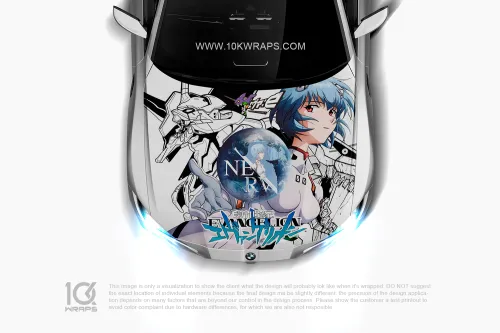
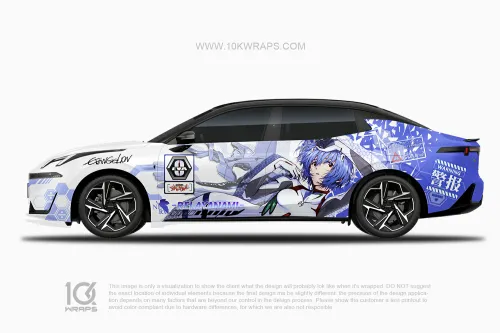
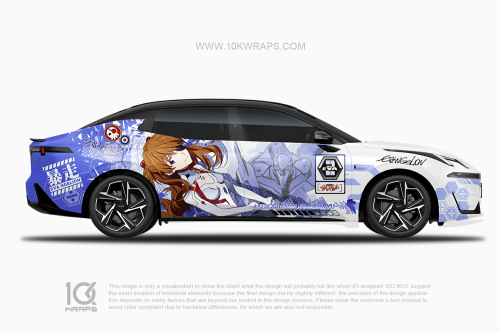
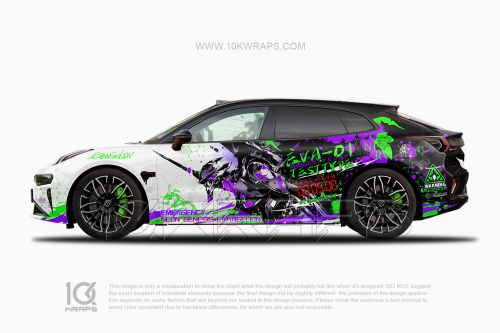
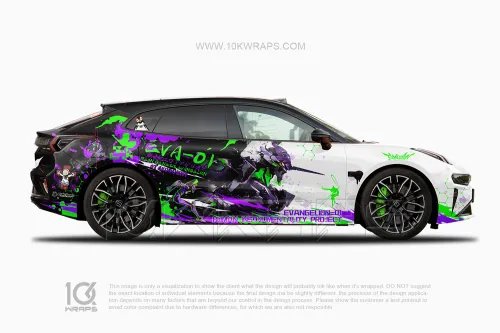
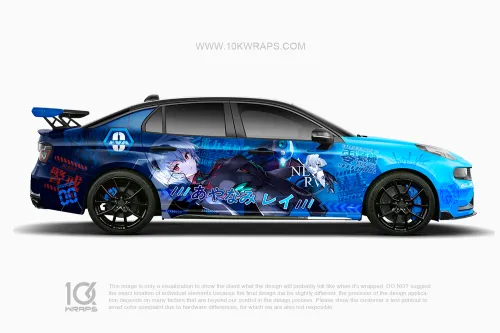
Soryu Asuka Langley Neon Genesis Evangelion [EVA-17]
Price range: $1,199.00 through $2,899.00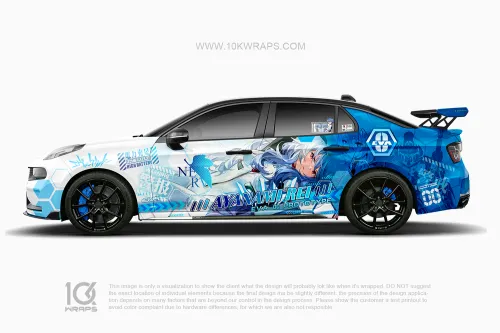
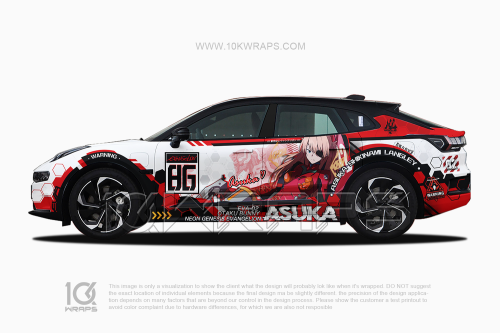
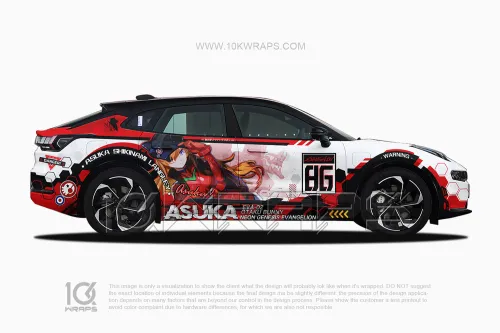
Soryu Asuka Langley Neon Genesis Evangelion [EVA-12]
Price range: $1,199.00 through $2,899.00Table of Contents
- Introduction
- Why Consider Painting Your Car?
- Factors Influencing Car Painting Costs
- Average Costs of Car Painting
- DIY Car Painting
- Professional Car Painting Services
- Case Studies: Real-World Examples
- Comparison Table: Painting vs. Wrapping
- Alternatives to Traditional Painting
- Tips to Save Money on Car Painting
- Conclusion
- Frequently Asked Questions (FAQ)
- References
Introduction
The appearance of your car is not just about aesthetics; it reflects your personality, attention to detail, and even how you value your possessions. Over time, factors like sun exposure, harsh weather conditions, road debris, and minor accidents can deteriorate your car’s paint, making it look old and worn out. Whether you’re considering painting your car to restore its original glory, change its color for a fresh look, or prepare it for sale, understanding the costs involved is essential.
This comprehensive guide aims to provide an in-depth understanding of car painting costs. We’ll explore the various factors that influence pricing, compare DIY methods with professional services, and discuss alternatives like vehicle wraps. By the end of this article, you’ll be equipped with the knowledge to make informed decisions, ensuring you get the best value for your money.
Why Consider Painting Your Car?

Painting a car is a significant investment, and you might wonder if it’s worth the time and expense. There are several compelling reasons to consider repainting your vehicle, each offering unique benefits.
Aesthetic Enhancement
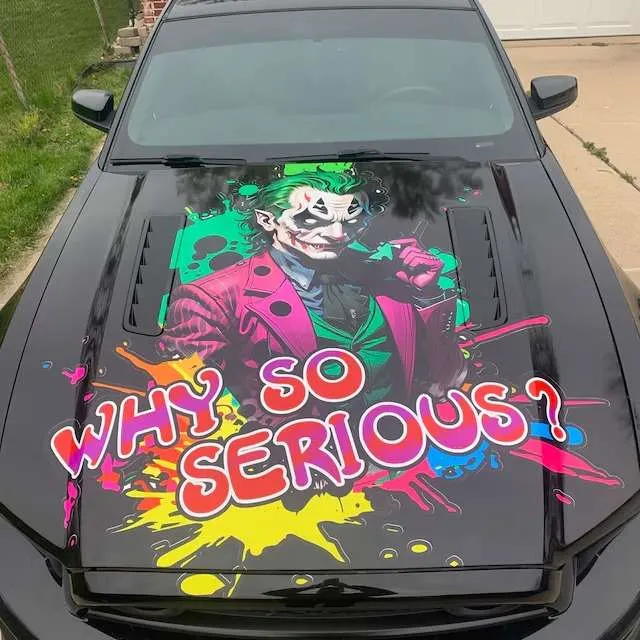
Over the years, a car’s paint can fade due to ultraviolet (UV) rays from the sun, which break down the chemical bonds in the paint, leading to a dull appearance 1. Additionally, scratches, chips, and other imperfections accumulate, detracting from the car’s overall look.
- Revitalization: A new paint job can make your car look brand new, enhancing its visual appeal.
- Color Change: If you’re bored with the current color, painting allows you to choose a new hue that better reflects your personality.
- Consistency: After body repairs, matching the new parts with the old paint can be challenging. Repainting ensures uniformity across the entire vehicle.
Pain Point: A worn-out paint job can make even a mechanically sound car appear neglected, potentially affecting how others perceive you.
Protection from Environmental Damage
Paint acts as a protective layer for your car’s body, shielding it from various environmental factors that can cause damage.
- Rust Prevention: Exposed metal can oxidize, leading to rust, which weakens the structural integrity of your car.
- Corrosion Resistance: Chemicals like road salt accelerate corrosion. A good paint job provides a barrier against these elements.
- UV Protection: Quality paints include UV inhibitors that protect both the paint and the underlying materials from sun damage.
Example: Coastal areas with high humidity and salt content in the air can quickly corrode exposed metal parts. A fresh coat of paint helps prevent this deterioration.
Increasing Resale Value
If you’re planning to sell your car, its appearance significantly impacts potential buyers’ perceptions and the price they’re willing to pay.
- First Impressions: A shiny, well-maintained exterior suggests that the car has been cared for, increasing buyer confidence.
- Competitive Edge: In a market with many used cars, a freshly painted vehicle stands out.
- Return on Investment: According to Kelley Blue Book, a new paint job can increase a vehicle’s resale value by up to 20% 2.
Pain Point: Selling a car with faded or damaged paint can result in lower offers, costing you money in the long run.
Personalization and Customization
Your car is an extension of your identity. Custom paint jobs allow you to express your individuality and make your vehicle unique.
- Custom Colors: Choose from a vast array of colors, including rare or bespoke shades.
- Special Finishes: Opt for matte, metallic, pearlescent, or chameleon paints for a distinctive look.
- Graphics and Designs: Incorporate stripes, flames, or other graphics to personalize your car.
Tip: While customization adds to the cost, it can make your car truly one-of-a-kind.
Factors Influencing Car Painting Costs

Understanding the variables that affect the cost of painting a car helps you budget effectively and set realistic expectations.
Type of Paint and Quality
The type and quality of paint used play a significant role in the overall cost and longevity of the paint job.
- Standard Paints: These are the most affordable options, typically using acrylic or enamel paints. They provide decent durability and a satisfactory finish but may lack the depth and richness of higher-end paints.
- Premium Paints: Urethane and polyurethane paints offer superior durability, resistance to chipping and fading, and a glossier finish. They are more expensive but provide a longer-lasting result.
- Metallic and Pearlescent Paints: These paints contain microscopic metal flakes or mica particles that create a shimmering effect. They are more challenging to apply evenly and require additional layers, increasing both material and labor costs.
- Water-Based Paints: Environmentally friendly and compliant with stricter regulations, water-based paints are becoming more popular. They require specialized equipment and expertise, potentially increasing costs.
Pain Point: While cheaper paints reduce upfront costs, they may fade or chip sooner, leading to additional expenses for touch-ups or repainting.
Theory: Higher-quality paints have better pigment concentration and binders, providing improved adhesion and color retention 3.
Size and Type of Vehicle
The dimensions and type of your vehicle directly impact the amount of paint and labor required.
- Compact Cars: Smaller surface areas mean less paint and fewer labor hours. Examples include sedans like the Honda Civic or Toyota Corolla.
- Mid-Size Vehicles: SUVs and pickup trucks have larger exteriors, requiring more materials and time. Examples include the Ford Explorer or Toyota Tacoma.
- Luxury and Sports Cars: These vehicles often require specialized handling. Their complex designs, curves, and materials (like carbon fiber) necessitate experienced technicians.
Example: Painting a Mini Cooper may require only 2-3 gallons of paint, while a full-size SUV like a Chevrolet Suburban could need 6-7 gallons.
Pain Point: Owners of larger or luxury vehicles should anticipate higher costs due to increased material use and specialized labor.
Surface Preparation and Repairs
A significant portion of the painting cost comes from the preparatory work needed to ensure a smooth, long-lasting finish.
- Dent and Scratch Repair: Minor imperfections must be fixed before painting. This process involves filling dents, sanding down surfaces, and applying primers.
- Rust Removal: Rusted areas require treatment to prevent further corrosion. This may involve cutting out rusted metal and welding in new panels.
- Old Paint Removal: In cases where the existing paint is peeling or incompatible with the new paint, stripping down to the bare metal is necessary.
Theory: Proper surface preparation ensures better paint adhesion and longevity. Skipping this step can lead to peeling, bubbling, or flaking paint.
Pain Point: Neglecting prep work might save money initially but can result in a subpar paint job that doesn’t last.
Tip: Always include surface preparation in your budget and discuss it with your chosen professional.
Labor Costs
Labor constitutes a significant portion of the painting cost, influenced by several factors.
- Geographical Location: Labor rates vary by region. Urban areas with higher living costs typically have higher labor rates.
- Shop Expertise: Established shops with experienced technicians may charge more due to their reputation and quality of work.
- Time Investment: Complex jobs requiring extensive prep work, multiple paint layers, and special finishes take more time, increasing labor costs.
Example: A high-end shop in New York City may charge $100 per hour for labor, while a smaller shop in a rural area might charge $50 per hour.
Pain Point: Labor costs can quickly escalate, especially for intricate or custom work.
Tip: Obtain detailed estimates that break down labor hours and rates to understand where your money is going.
Customization and Special Finishes
Adding unique touches to your paint job enhances aesthetics but also increases complexity and cost.
- Custom Colors: Creating a unique color may require mixing different paints, which can be more expensive due to the use of multiple pigments.
- Graphics and Airbrushing: Detailed artwork or patterns require specialized skills and more time, significantly adding to labor costs.
- Special Coatings: Finishes like matte, gloss, or ceramic coatings involve additional layers and materials, increasing both material and labor expenses.
Theory: Special finishes often require controlled environments and precise application techniques to achieve the desired effect.
Pain Point: Customization offers personalization but can strain your budget.
Tip: Clearly define your customization desires and get quotes from professionals who specialize in those services.
Average Costs of Car Painting
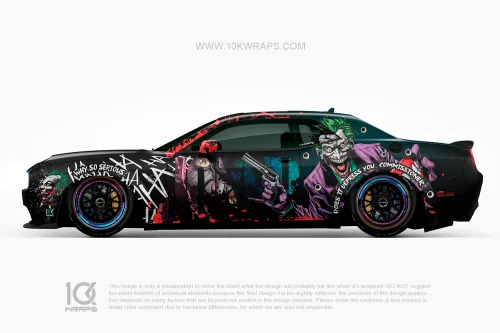

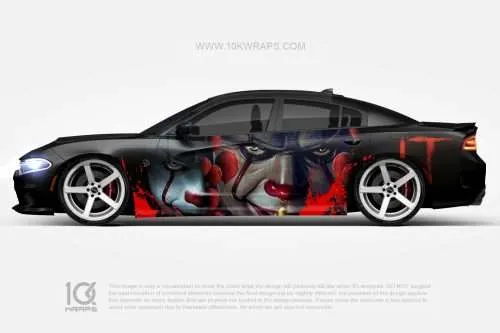
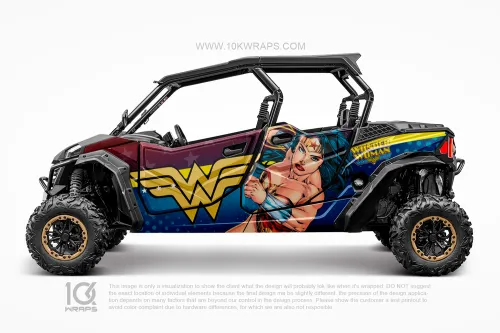
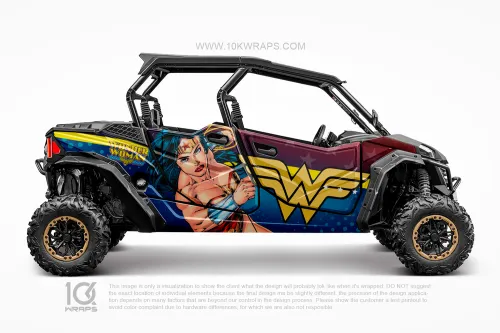
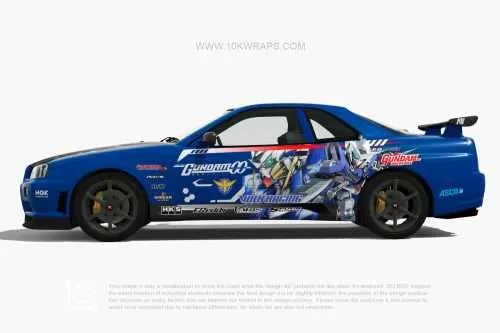
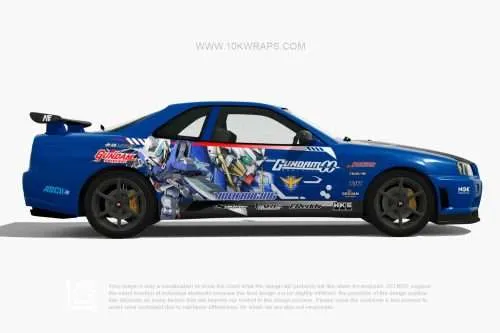
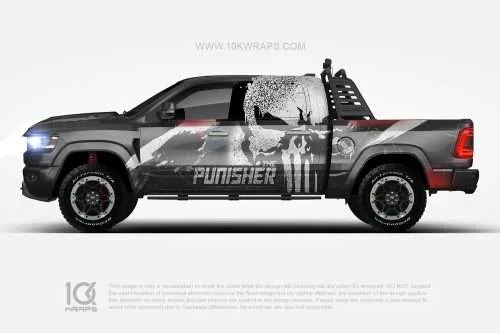
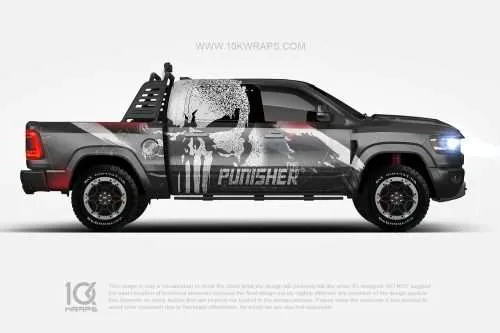
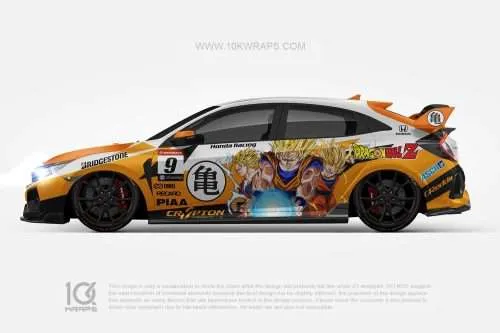
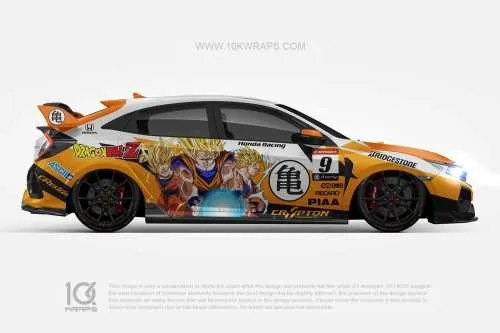
Knowing the typical price ranges helps you set a realistic budget and understand what to expect at different price points.
Basic Paint Job
- Cost Range: $500 to $1,000
- Inclusions:
- Minimal surface preparation (masking areas not to be painted).
- Single-stage enamel paint application.
- One or two coats of paint with no clear coat.
- Ideal For: Older vehicles, budget-conscious owners, or those needing a temporary solution.
Limitations:
- Durability: Less resistant to environmental factors; may fade or chip within a few years.
- Finish Quality: May have imperfections like dust particles, uneven coverage, or overspray.
Example: National chains like Maaco offer basic paint jobs starting at around $500 4.
Pain Point: While affordable, the lower quality may not meet expectations for appearance and longevity.
Standard Paint Job
- Cost Range: $1,000 to $3,500
- Inclusions:
- Thorough surface preparation, including sanding, priming, and minor dent repairs.
- Use of higher-quality paints.
- Application of multiple paint layers and a clear coat for protection.
- Ideal For: Daily drivers needing a balance between cost and quality.
Benefits:
- Improved Aesthetics: Better color depth and shine.
- Increased Durability: Enhanced resistance to fading and chipping.
- Warranty: May include a limited warranty covering defects.
Example: A mid-tier shop might charge $2,500 for a standard paint job on a sedan, providing a good balance of quality and affordability.
Pain Point: Higher cost but offers better value over time due to increased durability.
Showroom Quality Paint Job
- Cost Range: $3,500 to $10,000+
- Inclusions:
- Extensive surface preparation, possibly stripping the car to bare metal.
- Repair of all dents, rust spots, and imperfections.
- Use of top-tier paints and clear coats.
- Multiple layers of paint and clear coat, with wet sanding between coats for a flawless finish.
- Custom colors, graphics, or special finishes.
- Ideal For: Luxury cars, show vehicles, classic restorations, or owners seeking the highest quality.
Benefits:
- Superior Finish: Deep gloss, perfect color matching, and flawless surface.
- Longevity: High resistance to environmental damage; can last the life of the car with proper care.
- Increased Value: Can significantly boost the car’s resale or show value.
Example: Restoring a classic car like a 1969 Chevrolet Camaro with a showroom-quality paint job might cost $15,000 but can add $20,000 or more to its value 5.
Pain Point: The high upfront cost may be prohibitive for some owners.
DIY Car Painting

Taking on the task of painting your car yourself can be appealing due to potential cost savings, but it comes with challenges that need careful consideration.
Pros and Cons
Pros:
- Cost Savings: You can save a significant amount on labor costs, which constitute a large portion of professional painting services.
- Learning Experience: Gaining new skills and understanding more about your vehicle can be rewarding.
- Control Over the Process: You decide on the materials, methods, and timeline.
Cons:
- Skill Level Required: Achieving a professional-looking finish requires practice and expertise.
- Equipment Investment: Quality painting requires specific tools, which can be expensive.
- Time-Consuming: The process can take several days or even weeks, depending on your pace and available time.
- Risk of Poor Results: Mistakes can lead to an unsatisfactory finish, potentially decreasing your car’s value.
Pain Point: Without proper experience and equipment, you risk ending up with a subpar paint job that may cost more to fix than hiring a professional from the start.
Cost Breakdown
- Paint and Supplies:
- Primer, paint, clear coat: $200 to $500
- Equipment:
- Spray gun: $100 to $300
- Air compressor: $200 to $500
- Safety gear (respirator, gloves, goggles): $50 to $100
- Sandpaper, masking tape, drop cloths: $50 to $100
- Total Estimated Cost: $600 to $1,500
Tip: Renting equipment can reduce upfront costs if you don’t plan on using the tools frequently.
Necessary Equipment and Materials
- Safety Gear:
- Respirator mask to protect from fumes
- Protective clothing and gloves
- Safety goggles
- Preparation Supplies:
- Sandpaper (various grits)
- Body filler for dents
- Masking tape and paper to cover areas not being painted
- Cleaning solvents to remove grease and contaminants
- Painting Equipment:
- High-quality spray gun for even application
- Air compressor with adequate capacity
- Paint mixing containers and stirrers
- Paint strainers to remove impurities
- Painting Materials:
- Primer to prepare the surface
- Basecoat (color paint)
- Clear coat for protection and shine
Pain Point: The initial investment in equipment can be high, especially for one-time use.
Step-by-Step Guide to DIY Painting
- Preparation:
- Wash the car thoroughly to remove dirt and grime.
- Sand the entire surface to remove the clear coat and roughen the surface for better paint adhesion.
- Repair dents and scratches using body filler.
- Mask off areas not to be painted, such as windows, trim, and lights.
- Priming:
- Apply a coat of primer to create a uniform surface.
- Allow the primer to dry completely.
- Sand the primer lightly for a smooth finish.
- Painting:
- Mix the paint according to manufacturer instructions.
- Apply the basecoat evenly, usually in multiple thin layers.
- Allow each coat to dry before applying the next.
- Clear Coating:
- Apply clear coat to protect the paint and add gloss.
- Multiple layers may be necessary for durability.
- Finishing:
- After the paint has cured, wet sand the surface to remove imperfections.
- Buff and polish the paint to achieve a high-gloss finish.
Tip: Practice on a spare panel or surface before attempting to paint your car.
Pain Point: Even with careful preparation, achieving a professional finish is challenging for beginners.
Professional Car Painting Services

Entrusting your car to professionals ensures quality results but requires an understanding of what to expect and how to choose the right service provider.
What to Expect
Consultation:
- Assessment: The shop will inspect your car to evaluate its condition, discuss your preferences, and identify any issues that need addressing.
- Color Selection: You’ll choose the desired color and finish, possibly using color charts or digital simulations.
- Estimate: A detailed quote outlining the costs for materials, labor, and any additional services.
Process:
- Disassembly: Parts like bumpers, mirrors, and trim may be removed for better access and a more thorough paint job.
- Surface Preparation: Extensive prep work ensures the surface is ready for painting.
- Painting: Application of primer, basecoat, and clear coat in a controlled environment to prevent contaminants.
- Curing: Allowing the paint to dry and harden properly.
- Reassembly and Inspection: Reinstalling removed parts and conducting a final quality check.
Pain Point: The process can take from several days to a few weeks, depending on the job’s complexity.
Selecting the Right Shop
Research:
- Reputation: Look for reviews on platforms like Yelp, Google, or the Better Business Bureau.
- Referrals: Ask friends, family, or automotive professionals for recommendations.
Credentials:
- Certifications: Technicians with certifications from organizations like the National Institute for Automotive Service Excellence (ASE) indicate professionalism.
- Experience: Shops specializing in your type of vehicle or desired paint job may provide better results.
Facility Tour:
- Cleanliness: A well-maintained facility suggests attention to detail.
- Equipment: Modern equipment and paint booths enhance quality.
Communication:
- Transparency: The shop should provide clear explanations and answer all your questions.
- Customer Service: Friendly and responsive staff indicate a customer-focused approach.
Pain Point: Choosing the wrong shop can lead to poor workmanship, delays, and additional costs.
Tip: Don’t base your decision solely on price; consider the overall value and trustworthiness of the service provider.
Warranties and Guarantees
Understanding the warranty terms protects you from future issues.
- Limited Warranty: Covers specific defects like peeling or bubbling for a certain period, typically one to five years.
- Lifetime Warranty: Some shops offer lifetime warranties, but they may have strict conditions.
- Exclusions: Warranties often exclude damage from accidents, environmental factors, or improper care.
Example: A warranty may require you to avoid automatic car washes or use specific cleaning products.
Pain Point: Misunderstanding warranty terms can leave you without coverage when issues arise.
Tip: Read the warranty carefully and ask questions to fully understand your responsibilities.
Case Studies: Real-World Examples
Examining actual scenarios helps illustrate how different factors influence costs and outcomes.
Economy Car Basic Paint Job
- Vehicle: 2010 Honda Civic with faded paint and minor scratches.
- Service: Basic paint job from a national chain.
- Cost: $800
- Process:
- Minimal surface preparation.
- Single-stage enamel paint applied.
- Outcome:
- Improved overall appearance from a distance.
- Close inspection reveals imperfections like overspray and uneven texture.
- Longevity:
- Paint began fading after two years.
- No warranty provided.
Lesson: A basic paint job offers affordability but may compromise on quality and durability.
Luxury Vehicle Showroom Paint Job
- Vehicle: 2018 Mercedes-Benz S-Class with minor scratches and a desire for a color change.
- Service: High-end professional repaint with custom metallic finish.
- Cost: $7,500
- Process:
- Extensive surface preparation, including minor dent repairs.
- Use of premium urethane paint with a custom metallic flake.
- Multiple clear coats applied and wet-sanded for a mirror-like finish.
- Outcome:
- Flawless appearance with deep color depth.
- Enhanced the vehicle’s luxury appeal.
- Included a 5-year warranty covering defects.
- Resale Impact:
- Increased the car’s market value by approximately $10,000.
Lesson: Investing in a high-quality paint job can yield superior results and financial benefits, especially for luxury vehicles.
Classic Car Restoration
- Vehicle: 1965 Ford Mustang undergoing full restoration.
- Service: Complete bodywork and showroom-quality paint job.
- Cost: $12,000
- Process:
- Stripped to bare metal.
- Rust removal and panel replacements.
- Application of factory-original color using top-tier materials.
- Attention to authenticity and historical accuracy.
- Outcome:
- Restored to original condition.
- Won awards at classic car shows.
- Increased the vehicle’s value significantly, with appraisals around $40,000.
- Owner Satisfaction:
- Personal fulfillment in preserving automotive history.
- Potential for profitable resale.
Lesson: For classic cars, professional restoration with attention to detail is essential for authenticity and value preservation.
Comparison Table: Painting vs. Wrapping
Understanding the differences between painting and wrapping helps in deciding the best option for your needs.
| Aspect | Painting | Wrapping |
|---|---|---|
| Cost Range | $500 – $10,000+ Varies widely based on quality and customization |
$1,500 – $5,000 Generally more predictable costs |
| Time Required | 3 days to 3 weeks Depends on prep work and complexity |
1 to 3 days Faster turnaround |
| Durability | 5 to 10 years or more High-quality paint lasts longer with proper care |
5 to 7 years Vinyl wraps have a limited lifespan |
| Customization | Extensive options Custom colors, finishes, and graphics possible but at higher costs |
Highly customizable Wide range of colors, textures (matte, gloss, satin), and printed designs |
| Resale Value Impact | Can increase value if high-quality and matches buyer preferences May decrease value if color is unpopular |
Protects original paint Maintains factory color underneath, which can be a selling point |
| Reversibility | Permanent change Color change is not easily reversible |
Removable without damaging original paint Allows for temporary changes |
| Maintenance | Requires waxing and careful washing Paint can be damaged by harsh chemicals or abrasives |
Easier maintenance Generally requires only mild soap and water; resistant to scratches |
| Environmental Impact | Traditional paints may release volatile organic compounds (VOCs) Environmental regulations can affect cost and availability |
More environmentally friendly Vinyl application produces fewer emissions |
| Protection | Provides no additional protection beyond initial barrier Paint can chip or scratch, exposing metal |
Acts as a protective layer over original paint Shields against minor scratches, stone chips, and UV damage |
| Considerations | Requires skilled application Quality varies significantly between providers |
Needs professional installation for best results DIY kits available but may result in poor finish |
Tip: If you’re seeking a temporary or easily changeable aesthetic upgrade, vehicle wraps from 10kWraps.com offer a versatile solution.
Alternatives to Traditional Painting
Exploring options beyond traditional painting can provide cost savings and flexibility.
Vehicle Wraps
Definition:
- Vinyl sheets applied over the car’s existing paint.
Benefits:
- Cost-Effective: Often less expensive than high-end paint jobs.
- Variety: Available in numerous colors, finishes, and custom designs.
- Protection: Acts as a protective layer against scratches and environmental damage.
- Reversible: Can be removed without affecting the original paint.
Process:
- Preparation: Thorough cleaning of the vehicle to ensure adhesion.
- Application: Skilled technicians apply the vinyl, stretching and smoothing it over the car’s surfaces.
- Finishing: Edges are trimmed, and the vinyl is heated to set.
Longevity:
- Typically lasts 5 to 7 years, depending on care and environmental conditions.
Example:
- A full wrap in a matte finish for a sedan might cost around $2,500.
- Custom printed designs increase costs but offer unique personalization.
Pain Point: While wraps offer many advantages, they can be damaged by high-pressure washing or harsh chemicals.
Tip: To maintain a wrap, hand washing with mild soap is recommended.
Plasti Dip and Spray Wraps
Definition:
- A rubberized, spray-on coating that can be peeled off.
Benefits:
- Affordability: Generally cheaper than both painting and wrapping.
- Temporary: Ideal for short-term color changes or protection.
- DIY-Friendly: Can be applied at home with proper equipment.
Process:
- Preparation: Clean and mask off areas not to be coated.
- Application: Spray multiple layers to achieve desired thickness and coverage.
- Drying: Requires time to cure between coats.
Limitations:
- Durability: Less robust than paint or vinyl; susceptible to peeling and chipping.
- Finish Quality: May not have the same smoothness or gloss as professional paint.
Cost:
- $300 to $1,200 for a full car, depending on materials and whether you DIY or hire a professional.
Pain Point: Achieving an even, professional-looking finish can be challenging for beginners.
Tip: Practice on a small area or object before attempting to Plasti Dip your entire car.
Tips to Save Money on Car Painting
Budget-conscious car owners can take several steps to reduce costs without compromising too much on quality.
Preparing the Car Yourself
Benefits:
- Labor Savings: By handling the preparation, you reduce the time professionals spend on your car.
- Control Over Process: Ensures that you address specific areas of concern.
Tasks You Can Do:
- Sanding: Removing the clear coat and smoothing surfaces.
- Masking: Covering areas not to be painted, like windows, trim, and handles.
- Cleaning: Thoroughly washing the car to remove contaminants.
Cautions:
- Quality Risk: Improper preparation can lead to paint defects.
- Shop Policies: Some professionals prefer to handle all prep work to guarantee their results.
Tip: Discuss with your chosen professional to see if they accept customer-prepared vehicles.
Choosing Standard Colors
Impact on Cost:
- Common Colors: Whites, blacks, and silvers are usually cheaper due to mass production and availability.
- Custom Colors: Unique or rare colors require special mixing, increasing material costs.
Benefits:
- Affordability: Standard colors reduce both material and labor expenses.
- Resale Appeal: Neutral colors often have broader market appeal.
Pain Point: Desire for a unique color may conflict with budget constraints.
Tip: Opt for standard colors with special finishes (like metallic or pearl) to add uniqueness without significantly increasing costs.
Getting Multiple Quotes
Benefits:
- Price Comparison: Ensures you get a fair price by comparing different providers.
- Service Evaluation: Allows you to assess what each shop offers in terms of quality and warranty.
How to Proceed:
- Obtain Detailed Estimates: Ask for itemized quotes breaking down labor, materials, and additional services.
- Ask Questions: Inquire about the types of paint used, preparation methods, and warranties.
- Check Reviews: Research each shop’s reputation and customer feedback.
Pain Point: The cheapest quote isn’t always the best value; quality matters.
Tip: Balance cost with the shop’s experience and the quality of materials used.
Conclusion
Painting your car is a significant decision that involves balancing cost, quality, and personal preferences. Whether you’re restoring a classic, enhancing a luxury vehicle, or simply giving your daily driver a fresh look, understanding the factors that influence painting costs is essential.
From the type of paint and vehicle size to labor costs and customization, each element plays a role in the final price. While DIY painting can save money, it requires skill and time. Professional services offer quality and warranties but at higher costs. Alternatives like vehicle wraps provide flexibility and protection, often at a lower price point.
At 10kWraps.com, we offer premium vehicle wraps that provide a cost-effective, customizable, and protective solution. With a wide range of designs and professional installation, we help you achieve the look you desire without the high costs of traditional painting.
Ultimately, the choice depends on your specific needs, budget, and the value you place on quality and longevity. By being informed and carefully considering your options, you can make the best decision for your vehicle.
Frequently Asked Questions (FAQ)
1. Is it better to repaint or wrap my car?
The decision between repainting and wrapping depends on your goals and budget.
- Repainting is permanent and can be more expensive, especially for high-quality jobs. It may be better if you want a long-lasting solution and don’t plan to change the color again.
- Wrapping is less expensive, offers extensive customization, and protects the original paint. It’s ideal if you want flexibility or a temporary change.
Consideration: If your car’s paint is in good condition, wrapping can preserve it and maintain resale value.
2. How long does a professional car paint job take?
The duration varies based on the complexity of the job:
- Basic Paint Job: 3 to 5 days.
- Standard Paint Job: 1 to 2 weeks, accounting for thorough preparation and curing times.
- Showroom Quality Paint Job: 2 to 4 weeks or longer, due to extensive prep work, multiple layers, and finishing touches.
Factors Affecting Time:
- Extent of Bodywork Needed: Repairs and rust removal add time.
- Shop Schedule: Busy shops may have longer wait times.
- Curing and Drying: Adequate time is necessary to ensure the paint sets properly.
3. Will repainting my car affect its resale value?
Repainting can both positively and negatively affect resale value.
Positive Effects:
- Improved Appearance: A fresh, high-quality paint job enhances curb appeal.
- Protection: New paint can protect against future damage.
Negative Effects:
- Color Change: Unpopular colors or drastic changes may deter buyers.
- Poor Quality Job: Low-quality paint jobs can decrease value.
Tip: If repainting for resale, choose standard, popular colors and invest in a quality job to maximize value.
References
Additional Resources
- Automotive Paint and Bodywork: Auto Body Toolmart
- Vehicle Wraps Information: Avery Dennison Graphics
Enhance your vehicle’s appearance with custom wraps from 10kWraps.com. Our expert team provides high-quality wraps that not only transform your car’s look but also protect its original paint.
Disclaimer: This article is for informational purposes only and does not constitute professional advice. Prices and services mentioned may vary by location and provider. Always consult with a professional for accurate estimates tailored to your specific needs.
Footnotes
- Ouelett, D. (2015). Automotive Paint Handbook. Penguin Random House. Link ↩
- Kelley Blue Book. (2021). How Paint Affects Car Value. Link ↩
- Society of Automotive Engineers. (2018). Advances in Automotive Paint Technology. SAE International. Link ↩
- Maaco Collision Repair & Auto Painting. (2021). Pricing and Services. Link ↩
- Barrett-Jackson Auction Company. (2020). Vehicle Valuation Reports. Link ↩



Its not my first time to go to see this website, i am browsing this web page
dailly and take good data from here everyday.