How Much Does It Cost to Wrap a Motorcycle? An In-Depth Cost Guide for Riders


Key Takeaways
- Understanding the Basics: Motorcycle wrapping is a process where a vinyl film is applied over the surfaces of a motorcycle to change its appearance and protect the original paint. The cost varies based on material quality, design complexity, labor rates, and other factors.
- Cost Factors: The total cost of wrapping a motorcycle is influenced by the type of vinyl used, the size and complexity of the bike, labor costs, and the level of customization desired.
- Average Costs: On average, wrapping a motorcycle can range from $500 to $2,500 or more. This depends on factors like material quality, the intricacy of the design, and whether you choose professional installation or a DIY approach.
- DIY vs. Professional Services: While do-it-yourself wrapping kits are available and can reduce costs, professional services offer advantages like higher quality materials, expert installation, warranties, and a more durable finish.
- Benefits of Wrapping: Wrapping offers numerous benefits, including aesthetic enhancement, protection of the original paint, potential increase in resale value, and the ability to customize your motorcycle without permanent alterations.
- Alternatives to Wrapping: Custom paint jobs and Plasti Dip are alternative methods for customizing your motorcycle. Each option has its own costs, benefits, and considerations.
Table of Contents
- Introduction
- What is Motorcycle Wrapping?
- Why Consider Wrapping Your Motorcycle?
- Factors Influencing the Cost of Wrapping a Motorcycle
- Average Costs of Motorcycle Wrapping
- DIY Motorcycle Wrapping
- Professional Motorcycle Wrapping Services
- Case Studies: Real-World Examples
- Comparison Table: Wrapping vs. Painting
- Alternatives to Wrapping
- Tips to Save Money on Motorcycle Wrapping
- Conclusion
- Frequently Asked Questions (FAQ)
- References
Introduction
Motorcycles are more than just a mode of transportation; they are a symbol of freedom, individuality, and style. For many riders, their motorcycle is an extension of their personality, and customizing it is a way to express themselves. One popular method of customization is wrapping, which involves applying a vinyl film over the motorcycle’s surfaces. This process not only changes the bike’s appearance but also offers protection to the original paintwork.
Understanding the costs associated with motorcycle wrapping is essential for making an informed decision. Whether you’re looking to change your bike’s color, add unique graphics, or protect its paint from scratches and environmental damage, knowing what to expect in terms of pricing and options will help you plan accordingly.
In this comprehensive guide, we will delve into every aspect of motorcycle wrapping costs. We’ll explore what wrapping entails, the benefits it offers, the factors that influence the cost, and the differences between DIY and professional services. We’ll also compare wrapping to other customization methods like painting and Plasti Dip, provide real-world case studies, and offer tips on how to save money without compromising on quality.
By the end of this article, you’ll have a thorough understanding of motorcycle wrapping and be equipped with the knowledge to make the best choice for your bike and budget.
What is Motorcycle Wrapping?
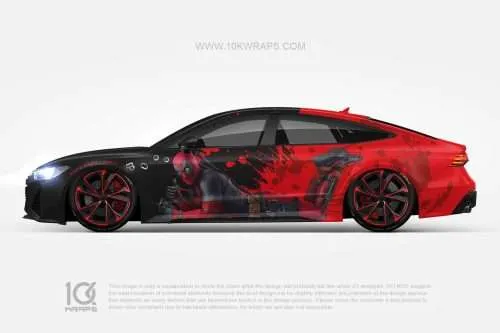
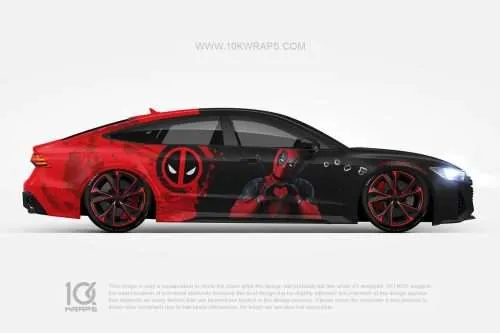
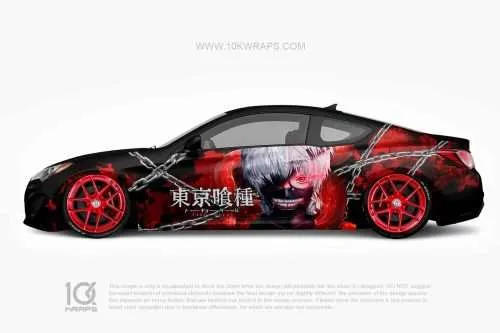
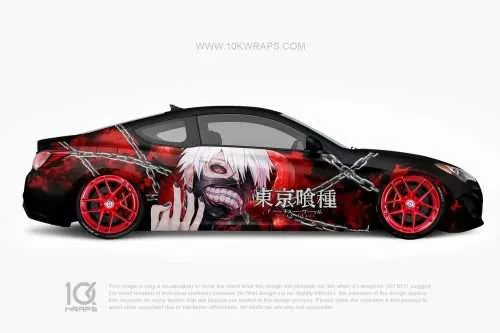
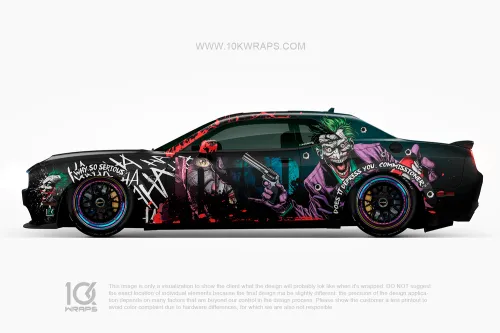

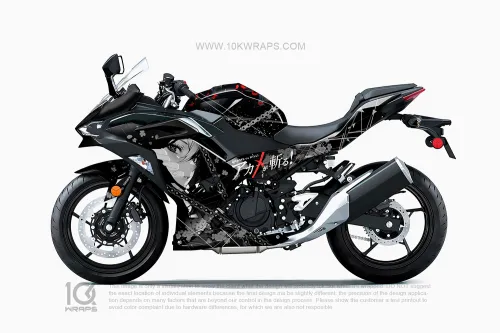
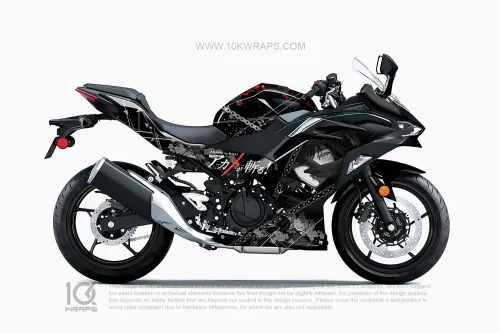


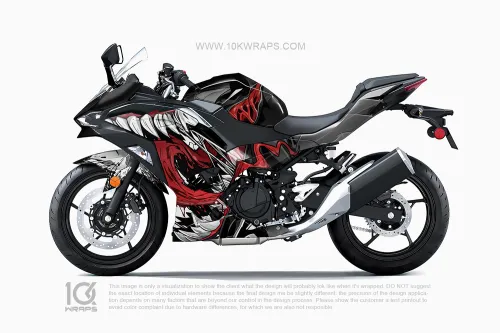
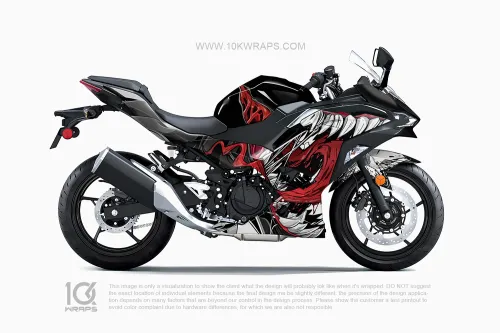
Motorcycle wrapping is the process of applying a specialized vinyl film over the exterior surfaces of a motorcycle. This vinyl wrap adheres to the bike’s bodywork and can completely transform its appearance. The wrap can cover the entire motorcycle or specific parts, such as the fuel tank, fairings, fenders, and even smaller components like mirrors and side panels.
Key Components of Motorcycle Wrapping
- Vinyl Material: High-quality vinyl wraps are designed specifically for vehicle applications. They are durable, flexible, and come with adhesive backing for easy application.
- Design Options: Vinyl wraps are available in a wide range of colors, finishes (glossy, matte, satin, metallic, chrome), and textures (carbon fiber, brushed metal). Custom graphics and printed designs are also possible.
- Application Process: Wrapping requires precise measurement, cutting, and application to conform to the motorcycle’s curves and contours. Heat guns and specialized tools are used to stretch and smooth the vinyl over the surfaces.
- Removability: One of the significant advantages of wrapping is that it is reversible. The vinyl can be removed without damaging the underlying paint, allowing for temporary changes or updates.
How Motorcycle Wrapping Works
- Preparation: The motorcycle must be thoroughly cleaned to remove dirt, grease, and contaminants. Any existing damage or imperfections should be addressed to ensure a smooth application.
- Measurement and Cutting: The vinyl is measured and cut to match the specific dimensions of the motorcycle parts. This step requires accuracy to minimize waste and ensure proper coverage.
- Application: The vinyl is carefully applied to the surfaces, starting from one end and working across. Air bubbles and wrinkles are smoothed out using squeegees and heat guns.
- Trimming and Finishing: Excess vinyl is trimmed away, and edges are sealed to prevent peeling. The wrap is then heated to activate the adhesive fully and set the material.
Benefits of Motorcycle Wrapping
- Customization: Offers endless possibilities for personalization without the permanence of paint.
- Protection: Acts as a shield against minor scratches, stone chips, and UV damage.
- Cost-Effective: Often more affordable than custom paint jobs, especially for complex designs.
- Versatility: Easy to update or remove if you decide to change the look or sell the motorcycle.
Example: A rider wants to give their motorcycle a unique appearance for an upcoming event. Instead of committing to a permanent paint job, they choose a vinyl wrap with a custom graphic. After the event, they can remove or replace the wrap as desired.
Why Consider Wrapping Your Motorcycle?

Wrapping your motorcycle offers several advantages that go beyond mere aesthetics. Whether you’re a new rider looking to personalize your bike or an experienced enthusiast aiming to protect your investment, wrapping provides solutions to common pain points associated with motorcycle ownership.
Aesthetic Enhancement
Transforming Appearance
Motorcycle wrapping allows you to dramatically change the look of your bike without the permanence of paint. With a vast array of colors, finishes, and designs, you can achieve virtually any aesthetic you desire.
- Color Changes: Switch from a standard color to something bold like neon green or a sophisticated matte black.
- Special Finishes: Choose from glossy, matte, satin, metallic, chrome, or textured finishes like carbon fiber and brushed metal.
- Custom Graphics: Incorporate images, patterns, logos, or artwork to make your motorcycle truly one-of-a-kind.
Pain Point: Traditional painting methods, especially custom paint jobs, can be expensive and time-consuming. They also involve permanent changes that are difficult and costly to reverse.
Theory: Vinyl wraps provide a flexible and reversible method to customize your motorcycle’s appearance. The technology behind high-quality vinyl allows it to conform to complex shapes and maintain its look over time.
Example: A motorcycle owner wants to stand out at bike rallies and shows. By applying a custom wrap with a unique design, they can capture attention and express their individuality without the high costs and permanence of custom paint.
Protection of Original Paint

Preserving Your Investment
The original paint on your motorcycle is not only about looks but also about protecting the metal surfaces from rust and corrosion. Wrapping adds an extra layer of protection.
- Scratch and Chip Resistance: The vinyl acts as a barrier against minor abrasions from road debris, gravel, and everyday wear.
- UV Protection: High-quality wraps contain UV inhibitors that prevent fading and degradation of both the wrap and the underlying paint.
- Weather Resistance: Protects against damage from rain, snow, salt, and other environmental factors.
Pain Point: Over time, exposure to the elements can cause your motorcycle’s paint to fade, peel, or rust, leading to costly repairs and decreased resale value.
Theory: By shielding the original paint with a vinyl wrap, you extend the life of the factory finish. This is especially valuable for limited edition or vintage motorcycles where maintaining originality is crucial.
Example: An owner of a classic motorcycle wants to ride regularly without worrying about damaging the original paint. Wrapping the bike provides peace of mind, knowing that the paint is protected and can be restored to its original condition by simply removing the wrap.
Resale Value
Maintaining or Enhancing Market Appeal
When it’s time to sell or trade in your motorcycle, its condition significantly impacts its value. A well-maintained exterior can lead to higher offers and quicker sales.
- Preserved Paint: Since wraps are removable, the original paint remains intact and can appear as good as new when the wrap is taken off.
- Attractive Appearance: A unique or pristine-looking motorcycle is more appealing to potential buyers.
- Reversibility: If the wrap is not to the buyer’s taste, it can be removed, restoring the motorcycle to its original look.
Pain Point: Permanent customizations, like paint, may limit your motorcycle’s appeal to a broader market. Potential buyers might prefer the original color or be wary of aftermarket modifications.
Theory: Wrapping allows you to customize your motorcycle without negatively affecting its resale value. In fact, the protection offered by the wrap can keep the bike in better condition over time.
Example: A rider plans to upgrade to a new motorcycle in a couple of years. By wrapping their current bike, they protect the paint and maintain its resale value, ensuring they get a better return on their investment when it’s time to sell.
Personalization and Customization

Expressing Individuality
Motorcycle enthusiasts often see their bikes as an extension of themselves. Wrapping provides endless opportunities to personalize your motorcycle to reflect your style and interests.
- Creative Freedom: Design your own graphics or work with a professional designer to create a unique look.
- Branding: Incorporate logos or branding elements, which is especially useful for businesses or sponsored riders.
- Thematic Designs: Celebrate hobbies, causes, or events by theming your motorcycle wrap accordingly.
Pain Point: Achieving a high level of customization with paint can be prohibitively expensive and requires a skilled artist, limiting options for many riders.
Theory: Digital printing technology allows for complex and detailed designs to be printed on vinyl wraps. This means you can achieve intricate patterns and images that would be challenging or impossible with paint.
Example: A fan of comic books wants to feature their favorite character on their motorcycle. By opting for a custom wrap, they can have a high-quality image applied to their bike, showcasing their passion in a vibrant and eye-catching way.
Factors Influencing the Cost of Wrapping a Motorcycle
Understanding the elements that affect the cost of wrapping your motorcycle helps you budget appropriately and make informed decisions about the services and materials you choose.
Type of Wrap Material
Quality and Characteristics of Vinyl
The vinyl material you select plays a significant role in the overall cost and performance of the wrap.
- Standard Vinyl: Typically more affordable, standard vinyl offers basic protection and comes in a variety of colors and finishes. However, it may have a shorter lifespan and less resistance to environmental factors.
- Premium Vinyl: Brands like 3M and Avery Dennison produce high-quality vinyl wraps known for durability, color vibrancy, and excellent conformability to complex shapes. They often include features like air-release channels for bubble-free application and UV protection.
- Specialty Finishes: Vinyl with unique textures (e.g., carbon fiber, brushed metal), color-shifting properties, or chrome effects are more expensive due to their advanced manufacturing processes and distinctive appearance.
Pain Point: Cheaper vinyl may seem cost-effective initially but can lead to issues like fading, peeling, or cracking, requiring replacement sooner than higher-quality options.
Theory: Investing in premium materials ensures better adhesion, flexibility, and longevity. High-quality vinyl is easier to work with, especially on motorcycles with intricate curves and surfaces.
Example: A rider chooses a standard vinyl wrap to save money but notices signs of wear and fading after a year. In contrast, a premium vinyl wrap might last 3 to 5 years while maintaining its appearance.
Size and Complexity of the Motorcycle
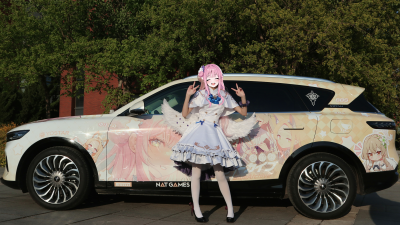
Impact of Motorcycle Design on Cost
The physical characteristics of your motorcycle affect both the amount of material needed and the labor involved.
- Surface Area: More extensive coverage requires more vinyl, increasing material costs. Fully faired sport bikes have more surface area than naked bikes or cruisers.
- Complex Shapes and Curves: Motorcycles often have intricate designs with tight curves, sharp angles, and small parts. Wrapping these areas requires skill and time.
- Disassembly Required: Some parts may need to be removed for proper wrapping, adding to labor costs.
Pain Point: Underestimating the complexity can lead to unexpected expenses. Complex bikes take longer to wrap and may incur higher labor charges.
Theory: The more intricate the motorcycle’s design, the more challenging the wrap application. Skilled installers spend additional time ensuring the vinyl conforms correctly without bubbles or creases.
Example: A sport bike with full fairings and aerodynamic features will cost more to wrap than a standard cruiser due to the increased surface area and complexity.
Labor Costs
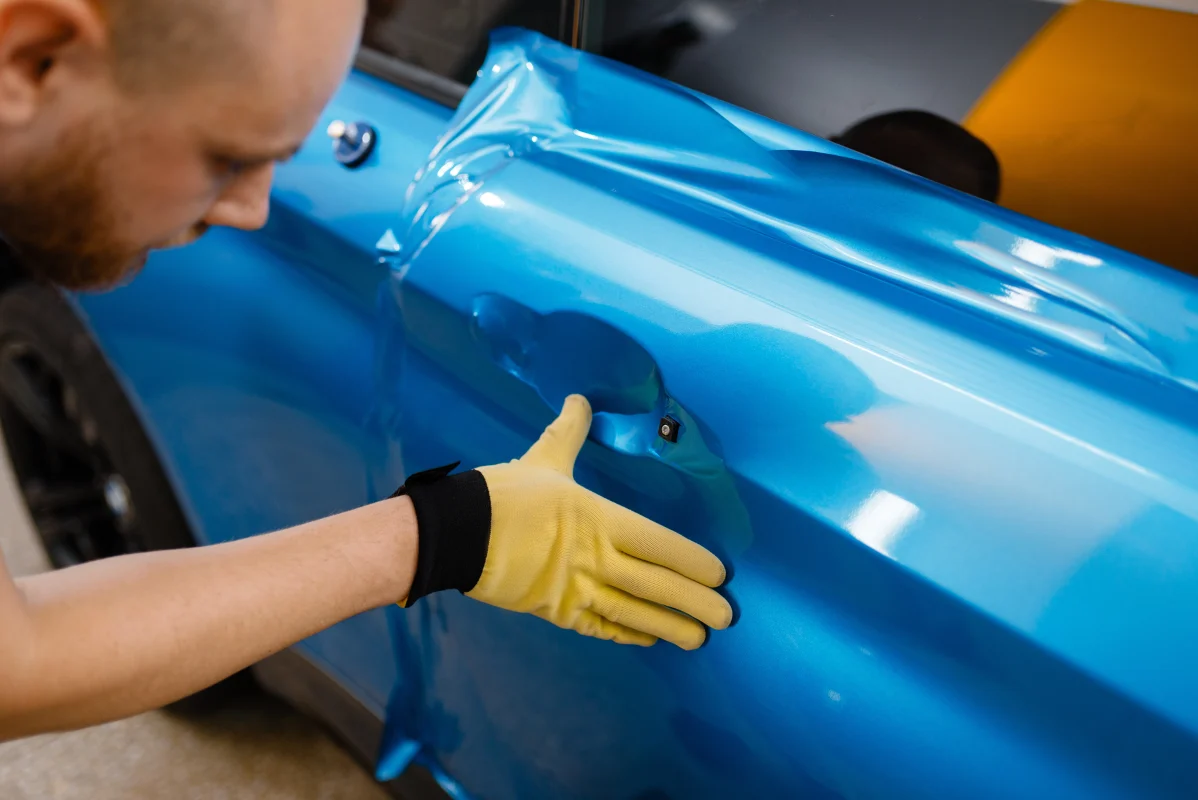
Professional Expertise and Time Investment
Labor is a significant component of the overall cost, especially when utilizing professional services.
- Hourly Rates: Skilled installers charge rates that reflect their expertise, often ranging from $50 to $150 per hour, depending on the region and reputation.
- Experience Level: Experienced professionals may charge more but offer higher quality work, reducing the risk of errors and material waste.
- Time Required: Wrapping a motorcycle can take from 6 hours to over 20 hours, depending on the complexity of the design and the motorcycle.
Pain Point: High labor costs can make wrapping expensive, but cutting corners with less experienced installers may result in poor quality that necessitates rework.
Theory: Quality installation is crucial for the wrap’s appearance and longevity. Professionals use specialized techniques and tools to apply the vinyl correctly, especially on challenging surfaces.
Example: Choosing a reputable installer who charges $100 per hour may seem costly upfront but can save money in the long run by avoiding issues like peeling or bubbling that require reinstallation.
Customization and Special Designs
Influence of Design Complexity on Cost
Custom designs add a unique touch to your motorcycle but also increase costs due to additional labor and materials.
- Custom Graphics: Designing and printing custom images or patterns requires graphic design services and specialized printing equipment.
- Multiple Colors and Layers: Complex designs may involve layering different vinyl pieces or using multiple colors, adding to material and labor costs.
- Precision Application: Intricate designs demand careful alignment and application, increasing the time required.
Pain Point: While customization enhances personal expression, it can significantly increase the overall cost, sometimes doubling the price of a standard wrap.
Theory: The complexity of a design correlates with the time and skill needed to execute it flawlessly. High-detail work requires meticulous attention, which is reflected in the cost.
Example: A rider wants a wrap featuring a detailed landscape scene. The design must be carefully printed and aligned across multiple panels, requiring additional design work and installation time, thus increasing the cost.
Average Costs of Motorcycle Wrapping
Having a clear idea of the typical costs associated with different levels of wrapping services helps you budget effectively and choose the option that best fits your needs.
Basic Wrap Job
Overview
- Cost Range: $500 to $800
- What It Includes:
- Use of standard vinyl in a single color or simple finish.
- Wrapping of primary surfaces such as the fuel tank, fairings, and fenders.
- Minimal or no customization beyond color selection.
- Ideal For: Riders seeking an affordable way to change their motorcycle’s color or protect the original paint without extensive customization.
Details
- Material Quality: Typically uses mid-grade vinyl with a decent lifespan but may lack advanced features like UV inhibitors or air-release technology.
- Labor: Basic installations that don’t require complex cutting or fitting. Less time-intensive, resulting in lower labor costs.
Limitations
- Durability: May have a shorter lifespan (2-3 years) compared to higher-quality wraps.
- Appearance: Limited to standard finishes; may not achieve the premium look of more expensive options.
Pain Point: While cost-effective, basic wraps may not meet expectations for riders looking for long-term solutions or high-end aesthetics.
Example: A rider chooses a basic gloss black wrap to cover scratches on their motorcycle. The wrap improves the appearance but begins showing signs of wear after two years, requiring replacement.
Standard Wrap Job
Overview
- Cost Range: $800 to $1,500
- What It Includes:
- Use of high-quality vinyl from reputable manufacturers.
- Wrapping of all painted surfaces, including challenging areas.
- Choice of popular finishes like matte, gloss, or satin.
- Inclusion of basic design elements, such as logos or simple graphics.
- Ideal For: Riders wanting a balance between affordability and quality, with some room for personalization.
Details
- Material Quality: Uses premium vinyl that offers better durability, flexibility, and UV resistance.
- Labor: Performed by experienced installers, ensuring a professional finish with attention to detail.
- Warranty: Often includes a warranty covering material defects and installation issues for a specified period (usually 1-3 years).
Benefits
- Durability: Expected lifespan of 3-5 years with proper care.
- Appearance: Higher-quality finishes with a more refined look.
Pain Point: The cost is higher than basic wraps but offers better value over time due to increased durability and aesthetic appeal.
Example: A rider selects a matte red wrap with a small custom logo for their motorcycle. The standard wrap provides a unique look with improved protection and lasts for several years.
Custom Wrap Job
Overview
- Cost Range: $1,500 to $2,500+
- What It Includes:
- Use of top-tier vinyl materials with specialty finishes (e.g., chrome, color-shift, textured).
- Comprehensive customization with intricate graphics, patterns, or images.
- Professional design services to create bespoke artwork.
- Full coverage, including hard-to-reach areas and components.
- Ideal For: Riders seeking a highly personalized, premium-quality wrap that stands out and makes a statement.
Details
- Material Quality: Utilizes the best available vinyl with advanced features for longevity and visual impact.
- Labor: Requires expert installers with specialized skills to handle complex designs and applications.
- Warranty: Extended warranties may be offered due to the use of superior materials and professional installation.
Benefits
- Personalization: Unlimited design possibilities, allowing for true expression of individuality.
- Durability: Lifespan of 5-7 years, maintaining appearance and protection.
Pain Point: The high upfront cost may be prohibitive for some riders, but the investment yields a unique and long-lasting result.
Example: A rider commissions a custom wrap featuring a detailed dragon motif with color-shifting effects. The process involves collaboration with a designer and meticulous installation, resulting in a one-of-a-kind motorcycle that draws attention wherever it goes.
DIY Motorcycle Wrapping
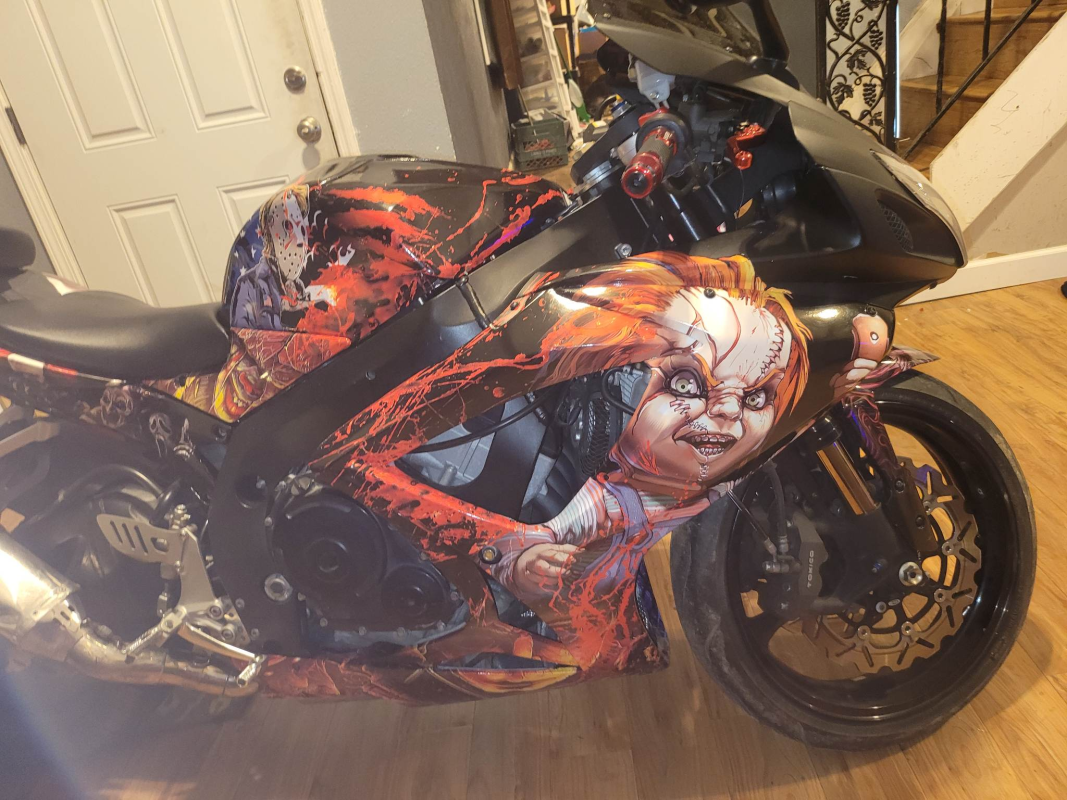
Taking on the wrapping project yourself can be an appealing option for budget-conscious riders or those who enjoy hands-on work. However, it’s essential to understand the challenges and requirements involved.
Pros and Cons
Pros
- Cost Savings: Eliminates labor costs, potentially saving several hundred to over a thousand dollars.
- Control Over the Process: Allows you to work at your own pace and make on-the-fly decisions about design and application.
- Personal Satisfaction: Completing the project yourself can be rewarding and provide a sense of accomplishment.
Cons
- Skill Requirement: Wrapping a motorcycle is technically challenging, especially for those without prior experience.
- Time-Consuming: The process can take significantly longer than professional installation, often requiring several days.
- Equipment Investment: Requires purchasing or renting specialized tools and materials, which adds to the cost.
- Risk of Errors: Mistakes can lead to wasted materials, poor appearance, or damage to the motorcycle’s surfaces.
Pain Point: The potential for a less-than-professional result may outweigh the cost savings, and correcting errors can be expensive and frustrating.
Theory: Successful DIY wrapping requires patience, attention to detail, and a willingness to learn through trial and error.
Cost Breakdown
- Vinyl Wrap Material: $200 to $500, depending on the quality and amount needed.
- Tools and Supplies:
- Squeegees and applicators: $20 to $50
- Heat gun: $30 to $100
- Precision cutting blades and knives: $10 to $30
- Surface cleaners and prep materials: $20 to $50
- Total Estimated Cost: $280 to $680
Tip: Consider purchasing a wrap kit that includes tools and pre-cut vinyl pieces designed for your specific motorcycle model.
Necessary Equipment and Materials
- Vinyl Wrap: Ensure you have enough material, including extra for mistakes or practice.
- Application Tools:
- Squeegees: Used to smooth the vinyl and remove air bubbles.
- Heat Gun: Essential for stretching and conforming the vinyl to curves and edges.
- Cutting Tools: Sharp blades for precise trimming.
- Cleaning Supplies:
- Isopropyl Alcohol: For removing grease, wax, and contaminants.
- Microfiber Cloths: For cleaning and drying surfaces without scratching.
- Safety Gear:
- Gloves: Protect hands and prevent fingerprints on the vinyl.
- Eye Protection: When using cutting tools and heat guns.
Pain Point: Acquiring all the necessary equipment increases the initial investment and may not be cost-effective for a one-time project.
Step-by-Step Guide to DIY Wrapping
- Preparation:
- Clean the Motorcycle: Wash thoroughly to remove dirt and grime.
- Surface Cleaning: Use isopropyl alcohol to eliminate any remaining residues.
- Disassembly: Remove parts like fairings, mirrors, and other components for easier access.
- Planning:
- Measure Surfaces: Determine the size and shape of each area to be wrapped.
- Cut Vinyl Pieces: Cut the vinyl into manageable sections, allowing extra material for adjustments.
- Application:
- Start Small: Begin with less complex areas to build confidence.
- Peel and Stick: Remove the backing paper and apply the vinyl carefully.
- Smooth Out Bubbles: Use the squeegee to press out air bubbles and wrinkles.
- Use Heat: Apply the heat gun to help the vinyl conform to curves and edges.
- Trimming and Finishing:
- Trim Excess Vinyl: Carefully cut away extra material using precision blades.
- Seal Edges: Ensure all edges are securely adhered to prevent peeling.
- Final Inspection: Check for imperfections and correct them as needed.
- Reassembly:
- Reattach Components: Once the wrap is complete, reassemble the motorcycle.
Tip: Practice on spare parts or small sections before attempting larger, more visible areas.
Pain Point: Despite careful effort, achieving a professional finish can be difficult for beginners. Mistakes may require starting over, increasing frustration and costs.
Professional Motorcycle Wrapping Services
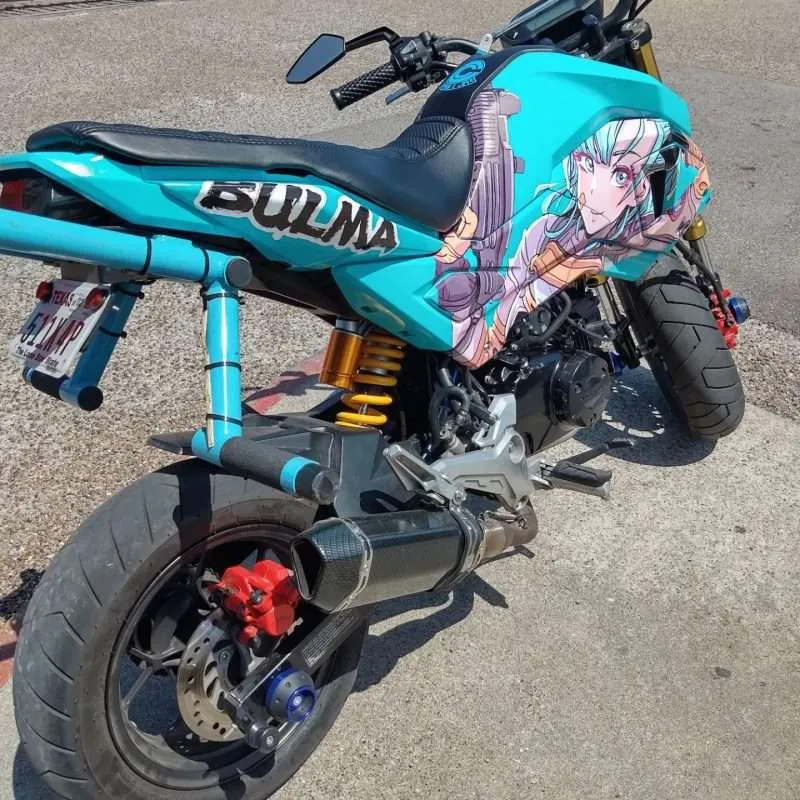
Opting for professional wrapping services offers advantages in quality, durability, and peace of mind. Understanding what to expect helps you choose the right provider and ensures a satisfactory outcome.
What to Expect
Initial Consultation
- Discussion of Goals: Explain your vision, preferences, and budget to the professional.
- Design Review: Evaluate color options, finishes, and any custom graphics or designs.
- Quote and Timeline: Receive a detailed estimate outlining costs and a projected completion date.
Design Process
- Custom Artwork: If desired, collaborate with a graphic designer to create unique designs.
- Proof Approval: Review and approve digital mock-ups before production.
Preparation
- Surface Inspection: The professional will assess the motorcycle for any issues that need addressing, such as scratches or dents.
- Cleaning and Prep: Thorough cleaning and preparation of surfaces to ensure optimal adhesion.
Installation
- Expert Application: Skilled technicians apply the wrap using specialized techniques to handle curves, edges, and complex shapes.
- Attention to Detail: Professionals ensure seams are minimized, edges are properly sealed, and the overall finish is flawless.
Post-Installation
- Quality Check: A thorough inspection to identify and correct any imperfections.
- Care Instructions: Guidance on how to maintain the wrap for longevity.
Pain Point: The process may require you to be without your motorcycle for several days, which can be inconvenient.
Selecting the Right Service Provider
Research and Recommendations
- Reviews and Testimonials: Look for feedback from previous clients on platforms like Google, Yelp, or social media.
- Portfolio: Review examples of the provider’s work to assess quality and style.
- Referrals: Ask fellow riders or motorcycle clubs for recommendations.
Experience and Expertise
- Specialization: Choose providers who specialize in motorcycle wrapping, as it differs from car wrapping due to the complexity of motorcycle surfaces.
- Certifications: Certifications from vinyl manufacturers (e.g., 3M Preferred Installer) indicate a recognized level of skill.
Communication
- Transparency: The provider should be open about costs, processes, and potential challenges.
- Responsiveness: Prompt and clear communication is a good sign of professionalism.
Pain Point: Selecting an inexperienced or unprofessional provider can lead to subpar results and potential damage to your motorcycle.
Tip: Don’t base your decision solely on price. Consider the provider’s reputation, experience, and your confidence in their ability to deliver the desired outcome.
Warranties and Guarantees
Material Warranty
- Coverage: Protects against defects in the vinyl, such as premature fading, cracking, or peeling.
- Duration: Typically ranges from 3 to 7 years, depending on the vinyl manufacturer.
Workmanship Warranty
- Coverage: Addresses issues related to the installation process, like bubbles, lifting edges, or misalignment.
- Duration: Often covers 1 to 3 years after installation.
Understanding Terms
- Conditions: Warranties may require proper care and maintenance to remain valid.
- Exclusions: Damage from accidents, misuse, or improper cleaning methods may not be covered.
Pain Point: Failing to understand warranty terms can result in unexpected expenses if issues arise.
Tip: Ask for written documentation of all warranties and review them thoroughly.
Case Studies: Real-World Examples
Examining real-world scenarios provides insight into the costs, processes, and outcomes of motorcycle wrapping.
Sport Bike Standard Wrap
Motorcycle: 2015 Yamaha YZF-R6
Service: Standard wrap in matte black
Cost: $1,000
Process:
- Consultation: Rider chose a matte black finish to update the bike’s look.
- Preparation: Professional cleaning and minor surface repairs.
- Installation: High-quality matte vinyl applied to all fairings, tank, and fenders.
Outcome:
- Appearance: Sleek, modern look that enhanced the motorcycle’s aesthetics.
- Protection: Original paint protected from scratches and UV damage.
- Durability: Expected lifespan of 3-5 years with proper care.
Owner’s Feedback:
- Satisfaction: Pleased with the professional finish and the balance between cost and quality.
- Maintenance: Found the wrap easy to maintain with regular cleaning.
Cruiser Custom Wrap
Motorcycle: 2018 Harley-Davidson Street Glide
Service: Custom wrap featuring flame graphics
Cost: $2,200
Process:
- Design Collaboration: Worked with a designer to create custom flame artwork.
- Preparation: Extensive cleaning and surface preparation.
- Installation: Premium vinyl with a gloss finish applied meticulously to match design elements.
Outcome:
- Appearance: Eye-catching design that stood out and reflected the rider’s personality.
- Quality: High-quality materials and expert installation resulted in a durable wrap.
- Warranty: Included a 5-year warranty on both materials and workmanship.
Owner’s Feedback:
- Pride: Thrilled with the unique look and the attention it garnered.
- Value: Felt the investment was worthwhile for the level of customization achieved.
Restoring Vintage Motorcycles
Motorcycle: 1972 Honda CB750
Service: Clear protective wrap to preserve original paint
Cost: $1,500
Process:
- Assessment: Goal was to protect the vintage paint without altering the motorcycle’s classic appearance.
- Preparation: Gentle cleaning to avoid damaging the old paint.
- Installation: Application of a clear, high-quality protective vinyl over painted surfaces.
Outcome:
- Appearance: Original look maintained, with the wrap being virtually invisible.
- Protection: Shielded the paint from scratches, UV rays, and environmental damage.
- Reversibility: Wrap can be removed without affecting the original paint.
Owner’s Feedback:
- Peace of Mind: Felt confident riding and displaying the motorcycle without fear of damaging the paint.
- Preservation: Appreciated the ability to enjoy the bike while preserving its historical integrity.
Comparison Table: Wrapping vs. Painting
Understanding the differences between wrapping and painting helps you decide which option best suits your needs.
| Aspect | Wrapping | Painting |
|---|---|---|
| Cost Range | $500 – $2,500+ (Varies based on materials and customization) |
$800 – $5,000+ (Custom paint jobs can be significantly more expensive) |
| Time Required | 1 to 5 days (Shorter downtime) |
3 days to 2 weeks (Longer process due to prep, painting, and curing) |
| Durability | 3 to 7 years (Dependent on vinyl quality and maintenance) |
5 to 10 years (High-quality paint lasts longer but can be damaged more easily) |
| Customization | Highly customizable (Unlimited designs, colors, finishes, and easily changeable) |
Customization possible (But complex designs are more expensive and permanent) |
| Resale Value Impact | Protects original paint (Wrap is removable, preserving resale value) |
Permanent change (May affect resale value positively or negatively depending on buyer preference) |
| Reversibility | Fully reversible (Can be removed without damaging paint) |
Not reversible (Repainting to original color is costly) |
| Maintenance | Easy care (Gentle washing, avoid harsh chemicals) |
Requires regular maintenance (Waxing and polishing to maintain appearance) |
| Protection | Adds protective layer (Shields against minor scratches, chips, UV damage) |
No additional protection (Paint itself can be scratched or chipped) |
| Environmental Impact | Less harmful (Vinyl application produces fewer emissions, and some vinyl is recyclable) |
Potentially harmful (Paints may contain volatile organic compounds (VOCs) that are released into the environment) |
| Considerations | Requires skilled application (Professional installation recommended; DIY possible but challenging) |
Requires professional application (DIY painting is difficult and often yields poor results) |
| Cost of Changes | Relatively low (Easy to change or update designs) |
High cost (Repainting is expensive and time-consuming) |
| Availability of Options | Wide variety (Access to numerous colors, textures, and designs, including limited-edition vinyls) |
Limited by paint technology (Some effects are difficult or impossible to achieve with paint) |
Conclusion: Wrapping offers flexibility, protection, and customization options that are difficult to achieve with traditional painting. It’s an excellent choice for those who value reversibility and want to preserve their motorcycle’s original paint.
Alternatives to Wrapping
While wrapping is a popular choice, other options are available for customizing your motorcycle.
Custom Paint Jobs
Definition
- Involves repainting the motorcycle with custom colors, designs, or finishes using automotive paints.
Benefits
- Permanent Change: Offers a lasting transformation of your motorcycle’s appearance.
- Deep Finish: High-quality paint jobs can achieve a depth and gloss that wraps may not replicate.
- Artistry: Allows for hand-painted designs and effects that showcase craftsmanship.
Considerations
- Cost: Custom paint jobs are generally more expensive, especially for intricate designs.
- Time: The process is time-consuming due to preparation, painting, and curing stages.
- Permanence: Changes are not easily reversible, which may affect resale value.
Cost
- Ranges from $800 for basic paint jobs to over $5,000 for high-end custom work.
Pain Point: The high cost and permanent nature may not suit riders who prefer flexibility or plan to update their motorcycle’s look in the future.
Plasti Dip and Spray Wraps
Definition
- Plasti Dip is a rubberized coating that can be sprayed onto surfaces and peeled off when desired.
Benefits
- Affordability: Generally cheaper than wrapping or painting.
- DIY-Friendly: Can be applied at home with minimal equipment.
- Temporary: Easy to remove, making it suitable for short-term changes.
Limitations
- Durability: Less robust than vinyl wraps; susceptible to peeling, especially in high-wear areas.
- Finish Quality: May not achieve the smoothness or vibrancy of wraps or paint.
- Color Options: Limited compared to vinyl wraps or paint, though custom colors can be mixed.
Cost
- Typically ranges from $200 to $800, depending on whether you do it yourself or hire a professional.
Pain Point: The lower durability and finish quality may not meet the expectations of riders seeking a premium appearance.
Tips to Save Money on Motorcycle Wrapping
Balancing cost and quality is essential. Here are some strategies to reduce expenses without compromising on results.
Preparing the Motorcycle Yourself
Benefits
- Labor Savings: By handling cleaning and disassembly, you reduce the time the professional needs to spend on preparation.
- Control Over Process: Ensure that surfaces are cleaned to your standards.
Tasks You Can Do
- Cleaning: Thoroughly wash and degrease the motorcycle.
- Disassembly: Remove parts like fairings, seats, and accessories to make wrapping easier.
Caution
- Quality Standards: Ensure that your preparation meets the professional’s requirements to avoid additional charges or issues.
Pain Point: If not done correctly, improper preparation can lead to poor adhesion or installation problems.
Choosing Standard Wraps
Cost Savings
- Material Costs: Standard colors and finishes are less expensive than specialty or custom options.
- Simpler Installation: Single-color wraps are quicker to install, reducing labor costs.
Benefit
- Affordability: Achieve a new look without the premium price tag associated with custom designs.
Pain Point
- Limited Personalization: May not satisfy riders seeking a unique or highly customized appearance.
Tip: Opt for a standard wrap now and consider adding custom graphics or decals later when budget allows.
Getting Multiple Quotes
Benefits
- Price Comparison: Obtain estimates from several providers to find the best value.
- Service Evaluation: Compare what each provider includes in their service, such as warranties or additional features.
How to Proceed
- Detailed Quotes: Request itemized quotes to understand the breakdown of costs.
- Assess Quality: Don’t choose solely based on price; consider the provider’s reputation and work quality.
Pain Point
- Overlooking Quality: The cheapest option may not offer the best results, leading to dissatisfaction or additional costs later.
Tip: Balance cost with confidence in the provider’s ability to deliver a high-quality wrap.
Conclusion
Wrapping your motorcycle is a versatile and effective way to enhance its appearance, protect its original paint, and express your personal style. While the costs can vary widely based on factors like material quality, design complexity, and labor, understanding these elements allows you to make informed decisions that align with your budget and expectations.
Whether you opt for a basic wrap to refresh your motorcycle’s look or invest in a custom design that turns heads wherever you ride, the benefits of wrapping are significant. It offers protection, reversibility, and a level of customization that’s hard to match with other methods.
If you’re considering wrapping your motorcycle, weigh the pros and cons of DIY versus professional installation. While DIY can save money, professional services provide expertise, higher quality results, and warranties that offer peace of mind.
At 10kWraps.com, we’re passionate about helping riders transform their motorcycles with high-quality wraps. Our experienced team offers personalized service, from design consultation to expert installation. Contact us today to explore your options and get a customized quote tailored to your needs.
Frequently Asked Questions (FAQ)
1. How long does a motorcycle wrap last?
A professionally installed motorcycle wrap using high-quality vinyl typically lasts between 3 to 7 years. The lifespan depends on factors such as:
- Material Quality: Premium vinyl lasts longer and maintains its appearance better over time.
- Installation Quality: Proper installation ensures better adhesion and reduces the risk of peeling.
- Maintenance: Regular cleaning with gentle methods prolongs the wrap’s life. Avoiding harsh chemicals and abrasive cleaning tools is essential.
- Exposure: Constant exposure to extreme weather, sunlight, and environmental pollutants can shorten the wrap’s lifespan.
Tip: Following the care instructions provided by the installer can help maximize the wrap’s durability.
2. Can I remove the wrap myself if I want to change it?
Yes, vinyl wraps are designed to be removable without damaging the underlying paint when done correctly. Here are some considerations:
- Removal Process: The wrap should be heated gently to soften the adhesive before peeling.
- Tools Needed: A heat gun or hairdryer, plastic scraper, and adhesive remover may be required.
- Time and Effort: Removing a wrap can be time-consuming, especially if it has been on the motorcycle for several years.
- Professional Removal: While DIY removal is possible, hiring a professional ensures that the process is done safely and efficiently, minimizing the risk of paint damage.
Caution: Improper removal techniques can lead to paint peeling or residual adhesive, necessitating professional intervention.
3. Will a wrap damage my motorcycle’s paint?
No, a properly installed and removed vinyl wrap will not damage your motorcycle’s paint. In fact, it can protect the paint from minor scratches, chips, and UV exposure. However, there are some important points to consider:
- Paint Condition: The original paint should be in good condition. Wrapping over damaged or peeling paint can result in further issues upon removal.
- Installation Quality: Professional installation ensures that the wrap adheres correctly without causing harm.
- Removal Technique: Proper removal is crucial. Using excessive force or incorrect methods can damage the paint.
Tip: If your motorcycle has recently been painted, it’s advisable to wait at least 3 to 4 weeks before wrapping to allow the paint to cure fully.
4. How do I maintain and clean my wrapped motorcycle?
Maintaining a wrapped motorcycle is straightforward:
- Washing: Use a mild soap and water solution with a soft sponge or cloth. Rinse thoroughly to remove all soap residues.
- Drying: Gently dry with a microfiber cloth to prevent water spots.
- Avoid Harsh Chemicals: Do not use abrasive cleaners, solvents, or strong chemicals that can damage the vinyl.
- No Pressure Washing: High-pressure washers can lift the edges of the wrap or force water under the vinyl.
- Polishing: Generally, wraps do not require waxing or polishing. For gloss finishes, you can use a vinyl-safe polish if desired.
Tip: Regular cleaning not only keeps your motorcycle looking good but also helps extend the life of the wrap.
5. Is wrapping legal, and do I need to inform authorities or insurance?
Wrapping your motorcycle is generally legal, but there are some considerations:
- Color Changes: In some jurisdictions, if you change the color of your vehicle significantly, you are required to notify the relevant authorities (e.g., DMV in the United States) and update your registration documents.
- Insurance: Informing your insurance company about the wrap is advisable, especially if it adds value to the motorcycle or includes advertising.
- Reflective Materials: Use of reflective or chrome wraps may be restricted in certain areas due to safety regulations.
Tip: Check local laws and regulations to ensure compliance when wrapping your motorcycle.
References
- 3M Company. (2021). 3M Wrap Film Series 1080 Product Bulletin. Retrieved from 3M Graphics.
- Avery Dennison. (2021). Supreme Wrapping Film Product Data Sheet. Retrieved from Avery Dennison Graphics.
- Vinyl Institute. (2019). Vinyl Sustainability Council. Retrieved from Vinyl Info.
- Motorcycle Industry Council. (2020). Statistical Annual. Retrieved from MIC.
- Consumer Reports. (2021). Vehicle Customization and Its Impact on Resale Value. Retrieved from Consumer Reports.
- National Highway Traffic Safety Administration. (2021). Motorcycle Safety. Retrieved from NHTSA.
- Wrap Institute. (2021). Motorcycle Wrapping Techniques. Retrieved from Wrap Institute.
Additional Resources
- Motorcycle Wrapping Guide: Wrapfolio
- Motorcycle Maintenance Tips: Motorcycle.com
Enhance your motorcycle’s look and protect it with custom wraps from 10kWraps.com. Our durable, high-quality wraps offer endless customization options to make your bike truly unique.