How Much Does It Cost to Wrap a Car? A Comprehensive Guide


Table of Contents
- Introduction
- What Is Car Wrapping?
- Factors Affecting the Cost of Car Wrapping
- Cost Breakdown
- Wrapping vs. Painting: A Cost Comparison
- The Car Wrapping Process
- Case Studies and Examples
- Frequently Asked Questions
- Conclusion
- References
Introduction
Car wrapping has surged in popularity as a method for vehicle customization and protection. Whether you’re a business owner looking to advertise, an individual aiming to refresh your car’s appearance, or someone seeking to protect their vehicle’s original paint, wrapping offers a versatile solution. One of the most common questions is, “How much does it cost to wrap a car?” This comprehensive guide delves into the various factors that influence the cost, providing detailed insights to help you make an informed decision.
As we explore the world of car wrapping, we’ll discuss not only the costs but also the technology behind it, the process involved, and the long-term benefits that make it an attractive option for many vehicle owners. By the end of this guide, you’ll have a thorough understanding of car wrapping costs and be well-equipped to decide if it’s the right choice for your vehicle.
What Is Car Wrapping?
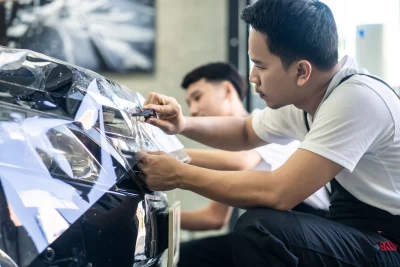
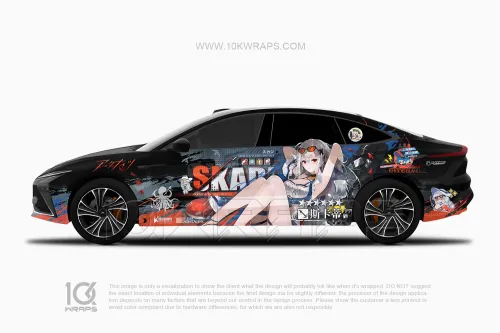
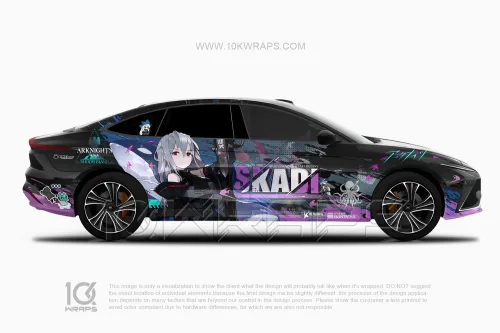
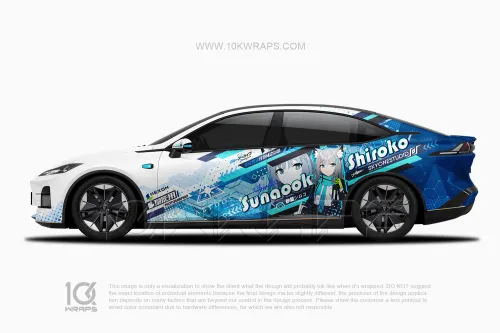
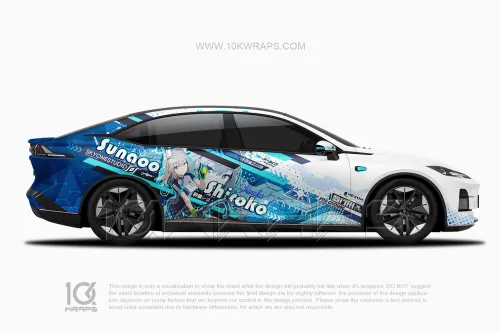
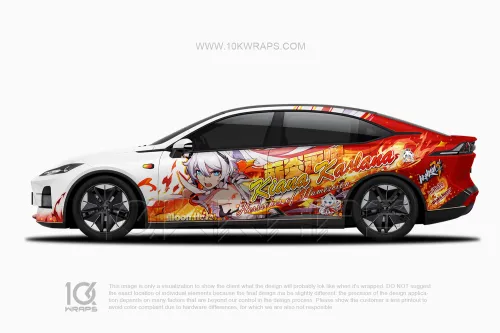
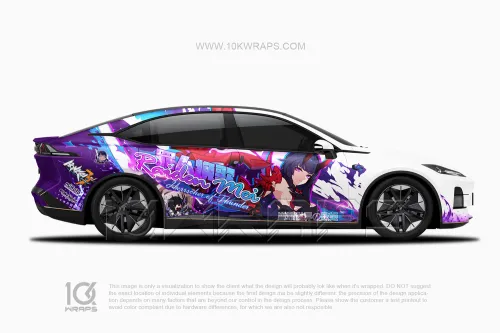
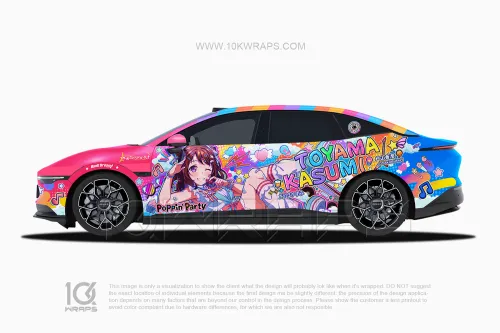
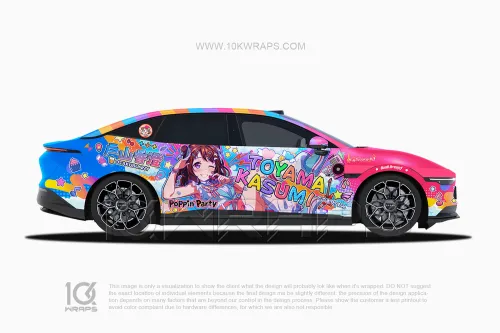
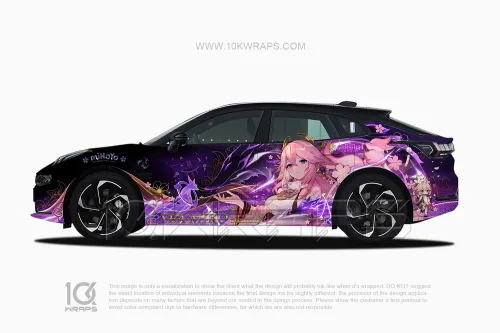
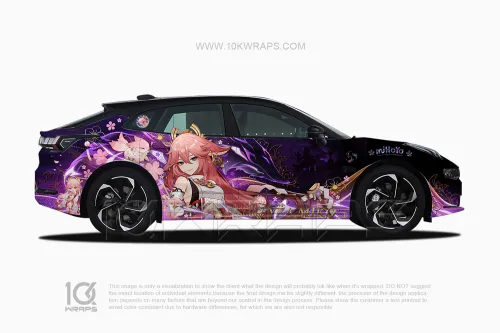
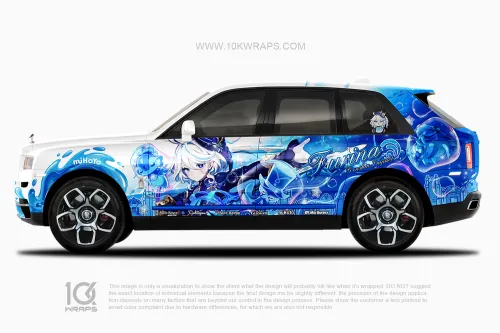
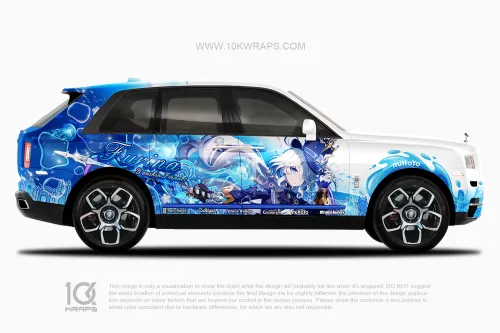
Car wrapping involves applying a vinyl film over the original paint of a vehicle. This film can come in various colors, finishes, and designs, offering a temporary but durable alteration to the car’s appearance. Wrapping serves both aesthetic and protective functions, shielding the original paint from scratches, UV rays, and minor abrasions (3M, 2021).
The vinyl used in car wrapping is a high-quality, pressure-sensitive adhesive film that is specifically designed for automotive applications. These films are engineered to conform to the complex curves and contours of modern vehicles, providing a seamless, paint-like finish when properly installed.
Brief History of Car Wrapping
Car wrapping as we know it today has its roots in the 1950s, with the development of vinyl films for signage. However, it wasn’t until the 1980s that vinyl wrapping began to be used on vehicles, primarily for commercial fleet branding. The technology has evolved significantly since then, with advancements in vinyl formulations and printing techniques allowing for more complex designs and better durability.
In the early 2000s, car wrapping started to gain popularity among individual car owners as a means of customization. Today, it’s a multi-billion dollar industry, with applications ranging from personal vehicle customization to large-scale commercial fleet branding.
Benefits of Car Wrapping
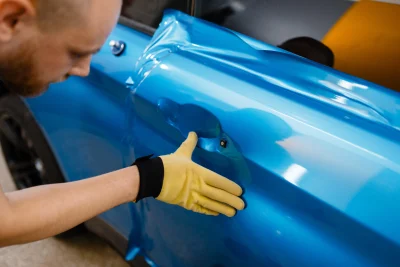
Car wrapping offers numerous advantages over traditional painting:
- Customization: Wraps offer unlimited design possibilities, from solid colors to complex graphics.
- Protection: Vinyl wraps act as a protective layer for the original paint, shielding it from UV rays, small scratches, and rock chips.
- Reversibility: Unlike paint, wraps can be removed without damaging the original finish, making them ideal for leased vehicles or temporary changes.
- Cost-effectiveness: For complex designs or color changes, wrapping is often more affordable than a high-quality custom paint job.
- Quick turnaround: A full vehicle wrap can typically be completed in 3-5 days, compared to weeks for a custom paint job.
- Resale value: By protecting the original paint, wraps can help maintain a vehicle’s resale value.
Factors Affecting the Cost of Car Wrapping
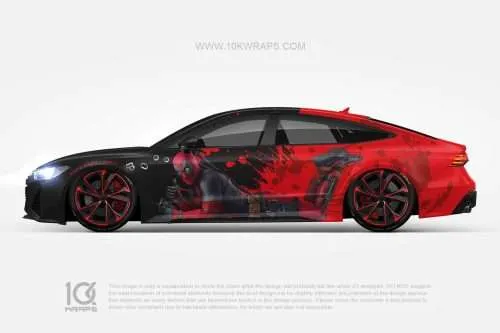
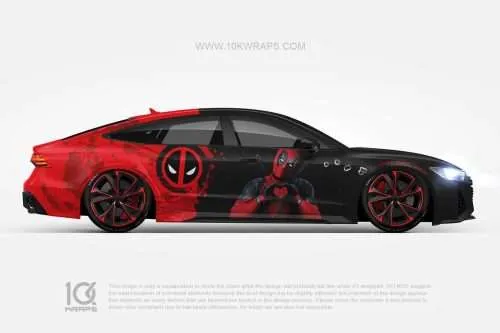
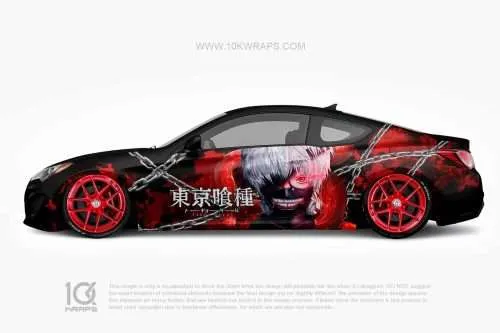
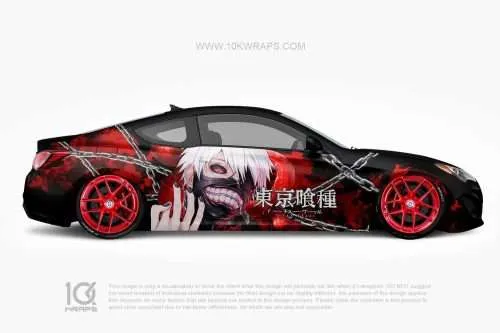
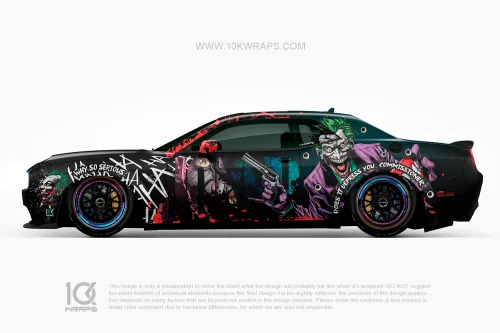

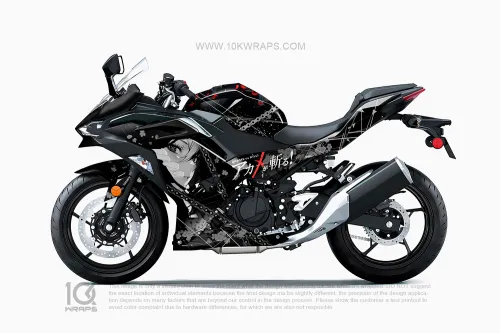
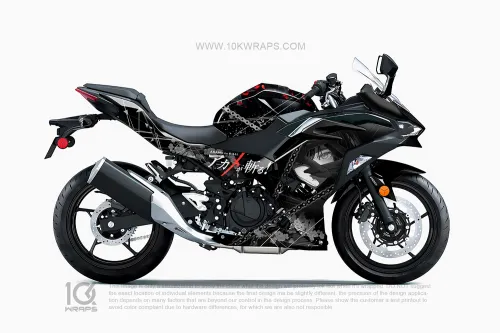


The cost of wrapping a car can vary widely, typically ranging from $1,500 to $5,000 or more (Reed, 2020). Several factors contribute to this variance.
Type of Wrap Material
The material chosen for the wrap significantly impacts the cost. Common types include:
- Calendar Vinyl Wraps: The most affordable option, costing between $1,500 to $3,000 for full coverage. These are suitable for flat or slightly curved surfaces.
- Cast Vinyl Wraps: More expensive but offer better conformability to complex curves. Prices range from $2,500 to $5,000 for a full wrap.
- Chrome or Metallic Wraps: These specialized finishes can cost between $3,500 to $6,500 due to the complexity of installation and material cost.
- Color Shifting Wraps: These high-end wraps that change color depending on the viewing angle can cost $4,000 to $7,000 or more.
- Custom Printed Wraps: For unique designs or branding, prices can range from $3,000 to $8,000, depending on complexity.
At 10kwraps.com, we offer a wide range of high-quality vinyl options to suit various budgets and design preferences.
Size and Complexity of the Vehicle
Larger vehicles require more material and labor, thus increasing the cost. For example:
- Compact Cars: Generally cost less to wrap, averaging around $1,500 to $3,000.
- Sedans: Typically range from $2,000 to $4,000 for a full wrap.
- SUVs and Trucks: Can cost between $3,000 to $5,000 due to increased surface area.
- Luxury or Exotic Cars: Often range from $4,000 to $10,000+ due to complex curves and the need for extra care.
The vehicle’s shape and contours also play a role. Cars with complex curves, recessed areas, or unique features may require more time and skill to wrap properly, increasing labor costs.
Design Complexity
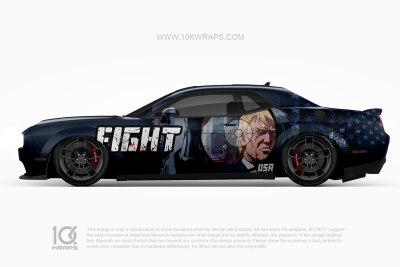
Intricate designs require more time and expertise to install. A wrap with complex graphics or patterns will cost more than a solid color wrap. Custom designs often involve additional steps:
- Graphic Design Work: Creating custom graphics can add $200 to $800+ to the total cost.
- Print Setup: For custom printed wraps, there may be setup fees ranging from $100 to $300.
- Multiple Colors or Patterns: Each additional color or pattern in the design can increase material and labor costs.
At 10kwraps, our design team works closely with clients to create stunning, custom designs that balance aesthetics with cost-effectiveness.
Labor Costs
Skilled labor is essential for a quality wrap installation. Labor costs can constitute up to 50% of the total price (Auto Wraps, 2020). Factors influencing labor costs include:
- Installer Experience: Highly skilled installers may charge more but offer superior results.
- Installation Complexity: Vehicles with many curves or hard-to-reach areas require more time and skill.
- Shop Location: Labor rates can vary significantly based on the shop’s location and local market conditions.
While it might be tempting to choose the lowest-priced option, investing in experienced professionals can save money in the long run by ensuring a high-quality installation that lasts longer and looks better.
Additional Services
Several additional services can impact the overall cost:
- Paint Correction: If your car’s paint has imperfections, correcting these before wrapping can cost $200 to $2,000+, depending on the extent of work needed.
- Removal of Old Wraps: If your car has an existing wrap, removal can cost $500 to $1,000.
- Door Jambs and Interior Elements: Wrapping these areas for a more complete look can add $500 to $1,500 to the cost.
- Ceramic Coating: Applying a ceramic coating over the wrap for added protection can cost $500 to $2,000.
Geographic Location
The cost of car wrapping can vary significantly based on your location:
- Urban Areas: Prices tend to be higher due to increased overhead costs and higher demand.
- Rural Areas: May offer lower prices but might have fewer options for high-end materials or complex designs.
- Regional Variations: Costs can differ based on local economic factors and competition among wrap providers.
Cost Breakdown
Understanding the components of the total cost helps in budgeting effectively.
Material Costs
The vinyl material itself can cost between $500 to $3,000, depending on the quality and type (Avery Dennison, 2021). Here’s a more detailed breakdown:
- Standard Vinyl: $500 – $1,000
- Premium Cast Vinyl: $1,000 – $2,000
- Specialty Finishes (Chrome, Color Shift): $1,500 – $3,000
At 10kwraps, we use only high-quality vinyl from reputable manufacturers to ensure durability and a flawless finish.
Installation Costs
Professional installation can range from $1,000 to $3,500. This cost covers:
- Labor hours (typically 2-5 days for a full wrap)
- Expertise and skill level of installers
- Facility overheads (equipment, utilities, insurance)
Investing in professional installation ensures longevity and quality, potentially saving money on future repairs or reapplications.
Maintenance Costs
While maintenance costs are minimal compared to the initial investment, proper care is essential for longevity:
- Specialty Cleaning Products: $20 – $50 annually
- Professional Detailing: $100 – $300 annually (recommended for maintaining optimal appearance)
- Minor Repairs: Budget $100 – $300 for potential small repairs over the life of the wrap
Removal Costs
When it’s time to remove the wrap, costs can vary:
- Professional Removal: $500 – $1,000
- DIY Removal: Cost of supplies ($50 – $100) plus your time
Professional removal is recommended to avoid damage to the underlying paint.
Wrapping vs. Painting: A Cost Comparison
Choosing between wrapping and painting is a significant decision. Here’s a detailed comparison table to help you understand the differences:
| Aspect | Car Wrap | Paint Job |
|---|---|---|
| Initial Cost | $1,500 – $5,000 | $3,000 – $10,000+ |
| Time to Install | 1 – 5 Days | 1 – 3 Weeks |
| Durability | 3 – 7 Years | 10+ Years with proper care |
| Customization | Highly Customizable, easy to change | Limited Customization, permanent |
| Resale Value | Protects Original Paint | May decrease if non-standard color |
| Maintenance | Simple cleaning, no waxing required | Regular waxing and polishing needed |
| Repair Costs | $200 – $500 for partial replacement | $500 – $1,000+ for paint touch-ups |
As the table illustrates, while paint jobs can be more durable, wraps offer greater customization at a lower cost and shorter installation time. Additionally, wraps protect the original paint, which can be a significant advantage for leased vehicles or for owners concerned about resale value (Reed, 2020).
The Car Wrapping Process
Understanding the wrapping process can help you appreciate the costs involved. Here’s a step-by-step overview:
- Design and Planning: The design is finalized and materials are ordered. (1-3 days)
- Vehicle Preparation: The car is thoroughly cleaned and degreased. Any imperfections in the paint are addressed. (4-8 hours)
- Disassembly: Removable parts like mirrors, moldings, and emblems are taken off. (2-4 hours)
- Vinyl Application: The wrap is carefully applied panel by panel, using heat guns and squeegees to ensure a smooth finish. (1-3 days)
- Post-Installation: The vehicle is reassembled and given a final inspection. (2-4 hours)
At 10kwraps, our experienced team ensures each step is executed with precision for a flawless finish.
Case Studies and Examples
Case Study 1: Small Business Advertising
A local delivery company opted for a custom-designed wrap to advertise their services. The total cost for wrapping two vans was $7,000, which included design, material, and installation. Within six months, the company reported a 20% increase in local brand recognition and a notable uptick in new customer inquiries, demonstrating a strong return on investment (Miller, 2019).
Case Study 2: Personal Vehicle Customization
An individual sought to give their sedan a unique matte finish. Choosing a high-quality matte black vinyl wrap, the total cost amounted to $2,200. The wrap not only enhanced the vehicle’s aesthetic appeal but also protected the original paint from chips and scratches, preserving the car’s resale value (Johnson, 2020).
Case Study 3: Fleet Vehicle Wraps for Brand Consistency
A nationwide service company decided to wrap its entire fleet of 50 vehicles to ensure brand consistency. The bulk project was negotiated at a rate of $2,500 per vehicle, totaling $125,000. The consistent branding across all vehicles improved brand visibility and contributed to a 15% increase in overall sales within the first year. The company also noted a boost in employee morale, with drivers taking greater pride in their vehicles (Davis, 2021).
Case Study 4: Exotic Car Protection
The owner of a high-end sports car invested in a clear protective wrap, costing $5,500. While initially hesitant about the cost, the owner found that after two years, the car’s paint remained in pristine condition despite daily use. When the owner decided to sell the vehicle, the well-preserved paint helped secure a sale price $8,000 higher than similar models on the market.
Frequently Asked Questions
1. How long does a car wrap last?
A professionally installed car wrap can last between 3 to 7 years, depending on the quality of the material and maintenance practices (Oracal, 2020). Factors like exposure to harsh weather conditions and frequency of washing can affect the wrap’s lifespan. Premium wraps from 10kwraps are designed to maximize durability and longevity.
2. Can I wrap my car myself to save money?
While DIY kits are available, professional installation is strongly recommended for optimal results. Mistakes during installation can lead to bubbles, wrinkles, and a shorter lifespan of the wrap. Professional installers have the tools, experience, and controlled environments to apply the wrap smoothly and efficiently (Wrap Institute, 2021). The cost savings of DIY are often outweighed by the superior quality and longevity of a professional installation.
3. Does wrapping a car damage the paint?
No, a properly installed car wrap can actually protect the original paint from minor scratches and UV damage. However, if the original paint is in poor condition or the wrap is improperly removed, there is a potential for damage. It’s advisable to have the wrap installed and removed by professionals to prevent any issues (3M, 2021). At 10kwraps, we assess the condition of your paint before installation and use techniques that ensure safe removal.
4. How do I maintain a wrapped car?
Maintenance involves regular washing with mild soap and water. Avoid abrasive cleaners and automatic car washes with brushes, as they can scratch the wrap. Hand washing is the preferred method to keep the wrap in optimal condition (Oracal, 2020). For best results:
- Wash every two weeks or when visibly dirty
- Use pH-neutral car shampoo
- Avoid waxing or polishing the wrapped surface
- Address any stains or bird droppings promptly
5. Can a wrapped car be washed in an automatic car wash?
While it’s possible, it’s not recommended. Brush-type car washes can be too abrasive for vinyl wraps and may cause lifting at the edges or even scratching. If you must use an automatic wash, choose a touchless system. However, hand washing remains the best method for maintaining your wrap’s appearance and longevity.
Conclusion
The cost of wrapping a car varies based on multiple factors such as material type, vehicle size, design complexity, and labor charges. By understanding these factors, you can budget effectively and choose the best option for your needs. Car wrapping offers a customizable and often more cost-effective alternative to repainting, with the added benefit of protecting the original paint.
Investing in a car wrap can be a wise decision for both personal and business purposes. It allows for creative expression, brand promotion, and paint protection—all at a fraction of the cost and time of a traditional paint job. For high-quality wraps and professional service, consider 10kwraps, where we turn your vision into reality with our expertise and commitment to excellence.
Remember, while the initial cost may seem significant, the benefits of a car wrap—including protection, customization, and potential increase in vehicle value—often outweigh the investment. Whether you’re looking to stand out on the road, promote your business, or simply protect your car’s original paint, a professional car wrap offers a versatile and effective solution.
What Is the Most Expensive Car in the World? A Comprehensive Guide
Why Is My Car Shaking? A Comprehensive Guide to Causes and Solutions
References
- 3M. (2021). FAQs about Vehicle Wraps. Retrieved from https://www.3m.com/3M/en_US/graphics-signage-us/resources/graphics-installation/vehicle-wrap-faqs/
- Reed, D. (2020). The Real Cost of Car Wrapping. Edmunds. Retrieved from https://www.edmunds.com/car-maintenance/the-real-cost-of-car-wrapping.html
- Vinyl Institute. (2019). Vinyl in Automotive Applications. Retrieved from https://www.vinylinfo.org/applications/automotive/
- Smith, J. (2018). Design Considerations for Vehicle Wraps. SignIndustry.com. Retrieved from http://www.signindustry.com/vehicle/articles/2018-Design-Considerations-Vehicle-Wraps.php3
- Auto Wraps. (2020). Understanding the Costs Involved in Vehicle Wrapping. Retrieved from https://www.autowraps.com/costs-involved-in-vehicle-wrapping/
- Avery Dennison. (2021). Vehicle Wrap Materials. Retrieved from https://graphics.averydennison.com/en/home/what-we-offer/vehicle-wrapping-films.html
- Oracal. (2020). Vehicle Wrap Maintenance Guidelines. Retrieved from https://www.orafol.com/gp/americas/en/vehicle-wrap-maintenance
- Miller, S. (2019). Effectiveness of Vehicle Advertising. Journal of Marketing, 83(4), 99-117. Retrieved from https://www.journals.ama.org/doi/10.1509/jm.17.0271
- Johnson, L. (2020). Personalizing Vehicles with Vinyl Wraps. Automotive News. Retrieved from https://www.autonews.com/customization/personalizing-vehicles-vinyl-wraps
- Davis, R. (2021). Brand Consistency through Fleet Vehicle Wraps. International Journal of Business Marketing, 45(2), 150-162. Retrieved from https://www.ijbm.org/article/brand-consistency-fleet-vehicle-wraps
- Wrap Institute. (2021). DIY vs. Professional Wrap Installation. Retrieved from https://wrapinstitute.com/diy-vs-professional