How Much Does a Car Wrap Cost? 4 Factors That Actually Drive the Price


So, how much does a car wrap cost? 4 factors that actually drive the price might surprise you. Most full car wraps in the U.S. cost between $2,500 and $6,000, but you might see prices from $2,000 all the way up to $10,000 or more. If you want a partial wrap for your car, the price often falls between $1,000 and $3,000. You’ll find that how much does a car wrap cost? 4 factors that actually drive the price include coverage area, design complexity, materials or finish, and installation. Each car is unique, so how much does a car wrap cost? 4 factors that actually drive the price can change a lot for you. Wondering how much does a car wrap cost? 4 factors that actually drive the price for your own car? You’ll get real tips here to help estimate your car wrap cost and find the best price.



Key Takeaways
-
In the U.S., car wraps usually cost $2,500 to $6,000 for a full wrap. Partial wraps cost about $1,000 to $3,000.
-
There are four main things that change the price of a car wrap: how much of the car you cover, how hard the design is, what materials you use, and how it is put on.
-
Bigger cars need more vinyl, so they cost more. Smaller cars are cheaper to wrap.
-
Simple designs are cheaper than fancy ones. Pick a basic design if you want to save money.
-
Fancy materials like cast vinyl last longer and look nicer, but they cost more.
-
The price to put on the wrap changes by where you live and how good the shop is. Good installers might charge more, but they do a better job.
-
You can get a partial wrap to save money and still make your car look better.
-
Always ask for a clear price and check for warranties. This helps you get the best deal for your car wrap.
Car Wrap Prices and Cost Overview
How Much Does a Car Wrap Cost?
You probably want to know what you’ll pay for a vehicle wrap before you start shopping. Car wrap prices can look different depending on where you live and what kind of car you drive. Most full wraps cost between $2,500 and $6,000, but some can go as high as $10,000 or more. If you’re thinking about a partial wrap, you’ll usually see prices from $1,000 to $3,000. The type of material you choose also affects the cost. Colored vinyl wraps often range from $500 to $3,000, while clear or textured vinyl can cost more.
Here’s a quick look at car wrap prices for different vehicles:
|
Vehicle Type |
Price Range (USD) |
|---|---|
|
Sedan |
$2,500 – $6,000 |
|
Coupe |
$2,500 – $6,000 |
|
Truck |
$2,800 – $6,500 |
|
Jeep |
$2,800 – $6,500 |
|
Mini-Van |
$3,200 – $7,000 |
|
Convertible |
$2,500 – $5,000 |
|
SUV |
$3,200 – $7,000 |
|
Luxury Car |
$3,800 – $8,500 |
Tip: Car wrap prices can be higher in big cities or areas with lots of demand. Skilled installers may charge more, but you often get better results.
Full vs Partial Vehicle Wrap
You might wonder if you need a full vehicle wrap or just a partial one. Full wraps cover your entire car, while partial wraps only cover certain panels like the hood, roof, or doors. The price difference comes from how much vinyl is used and how much time the installer spends on your car.
|
Factor |
Full Wraps |
Partial Wraps |
|---|---|---|
|
Average Cost |
$2,500–$5,000 |
$800–$2,500 |
|
Materials Used |
More vinyl |
Less vinyl |
|
Labor |
More time |
Less time |
|
Design Complexity |
Intricate |
Simpler |
Partial wraps are a great way to save on cost if you only want to highlight certain parts of your car or add branding. Full wraps give you a complete new look and more protection.
What Affects the Cost of Wrapping a Car?
Car wrap prices depend on four main things:
-
Coverage area: Bigger cars and more panels mean higher cost.
-
Design complexity: Simple colors cost less. Detailed graphics or custom branding raise the price.
-
Materials and finish: Premium vinyl, special finishes, and lamination add to the cost.
-
Installation: Skilled labor, shop experience, and your location all affect the final price.
If your car needs extra prep work or has a complex shape, you might pay more. Cleanliness matters too, since a clean surface helps the wrap stick better.
Note: Vehicle wrap usually lasts 5-7 years and can handle weather better than paint. You get a fresh look and protection for your car at a price that fits your budget.
Coverage Area and Vehicle Size
When you start looking at car wrap prices, you’ll notice that coverage area and vehicle size and type play a huge role. The bigger your car, the more vinyl it needs. More vinyl means a higher price. If you drive a compact car, you’ll pay less than someone with a big truck or van.
Let’s break it down with a table. This shows how the surface area of your car connects to the final cost:
|
Vehicle Type |
Wrap Coverage Area |
Price Range (USD) |
|---|---|---|
|
Sedan |
60–75 sq ft |
$2,000–$3,500 |
|
SUV |
70–90 sq ft |
$2,500–$4,000 |
|
Pickup Truck |
75–90 sq ft |
$3,000–$4,500 |
|
Cargo Van |
110–150 sq ft |
$3,500–$5,500 |

Panel-Based Pricing Explained
You don’t always have to wrap your whole car. Many shops offer panel-based pricing. This means you can choose to wrap just the hood, roof, doors, or other parts. Each panel has its own price. For example, wrapping only the hood costs less than wrapping the entire car.
Here’s a quick look at average costs for different coverage options:
|
Wrap Type |
Coverage |
Average Cost |
|---|---|---|
|
Partial Wrap |
25–75% |
$800–$2,000 |
|
Full Wrap |
100% |
$3,500–$4,500 |
If you want to highlight your car’s roof or add stripes to the doors, you can do that without paying for a full wrap.
Small vs Large Vehicles
The size of your car changes the price a lot. Smaller cars like sedans or coupes need less material and take less time to wrap. Larger vehicles like SUVs, trucks, and vans need more vinyl and more labor.
Check out this table to see how costs change with different vehicles:
|
Vehicle Type |
Cost Range |
|---|---|
|
Compact Cars/Sedans |
$2,000 – $3,500 |
|
SUVs/Crossovers |
$3,000 – $5,000 |
|
Trucks/Vans |
$3,500 – $6,000+ |
So, if you drive a big van, expect to pay more than someone with a small car.
Full vs Partial Coverage
You can choose between a full wrap or a partial wrap. Full wraps cover every inch of your car’s exterior. Partial wraps only cover certain sections. Full wraps cost more because they use more material and take more time.
Here’s how the price difference looks:
|
Coverage Type |
Price Range |
|---|---|
|
Full Vehicle PPF |
$4,200 – $10,200 |
|
Partial Coverage PPF |
$1,600 – $3,400 |
A full wrap can cost 2.5 to 3 times more than a partial wrap. If you want to save money, a partial wrap is a smart choice.
Tip: Think about what you want to show off on your car. If you only want to add a logo or some color, a partial wrap might be all you need.
In the end, the size of your car and how much you want to cover will decide your final price. Take a look at your car and decide what fits your style and budget.
Design Complexity and Customization
Simple vs Detailed Designs
When you think about wrapping your car, the design you choose makes a big difference in price. Simple designs use one color or a basic pattern. These wraps are quick to install and use less material. You might see a single-color wrap or a basic stripe down the side. These options usually cost less and take less time.
Detailed designs, on the other hand, can include wild patterns, gradients, or even photo-quality images. These wraps need more vinyl and more skill to install. Installers spend extra time making sure every detail lines up perfectly. If you want a wrap with flames, camouflage, or a full mural, you’ll pay more because of the complexity of design.
Here’s a quick look at how design complexity changes the cost:
|
Factor |
Description |
|---|---|
|
Material Usage |
Complex designs require more vinyl material, increasing material costs. |
|
Labor Intensity |
Intricate designs need more time and expertise for installation, raising labor costs. |
|
Customization Level |
Highly detailed designs may incur additional charges for customization. |
Tip: If you want to save money, stick with a simple design. If you want your car to stand out, a detailed wrap is worth the extra cost.
Custom Graphics and Branding
Custom graphics and branding take your car wrap to the next level. You can add your business logo, special artwork, or unique colors. This process needs extra design work and special printing. Installers charge more for these services because they create a one-of-a-kind look just for you.
Custom graphics and branding elements usually increase the cost of vehicle wraps. You pay for the designer’s time, the printing of your unique design, and the installer’s skill. If you want your car to advertise your business or show off your style, custom wraps are a great choice.
Some common features that raise the price include:
-
Multi-color or layered designs
-
Custom logos or branding
-
Special effects like gradients or textures
Impact on Cost of Wrapping a Car
You might wonder how much more you’ll pay for a complex wrap. Here’s a quick guide:
-
Compact Cars: $1,500 to $3,000 for simple wraps
-
Mid-sized Cars/Sedans: $2,000 to $4,000 for basic designs
-
SUVs and Trucks: $3,000 to $5,000 for standard wraps
-
Specialty Wraps (chrome, matte, etc.): Add $1,000 to $2,500
-
Design Customization Fees: $500 to $1,500 or more for intricate designs
The more complex your design, the higher the price. Specialty wraps and custom graphics add to the total cost. Installers need more time and skill for these jobs, which means you pay more. If you want a simple color change, you’ll spend less. If you want a show-stopping car with custom graphics, plan for a bigger budget.
Note: Design complexity is one of the biggest factors in car wrap pricing. Think about what you want your car to say before you choose a design.
Materials, Finish, and Lamination
Standard vs Premium Vinyl
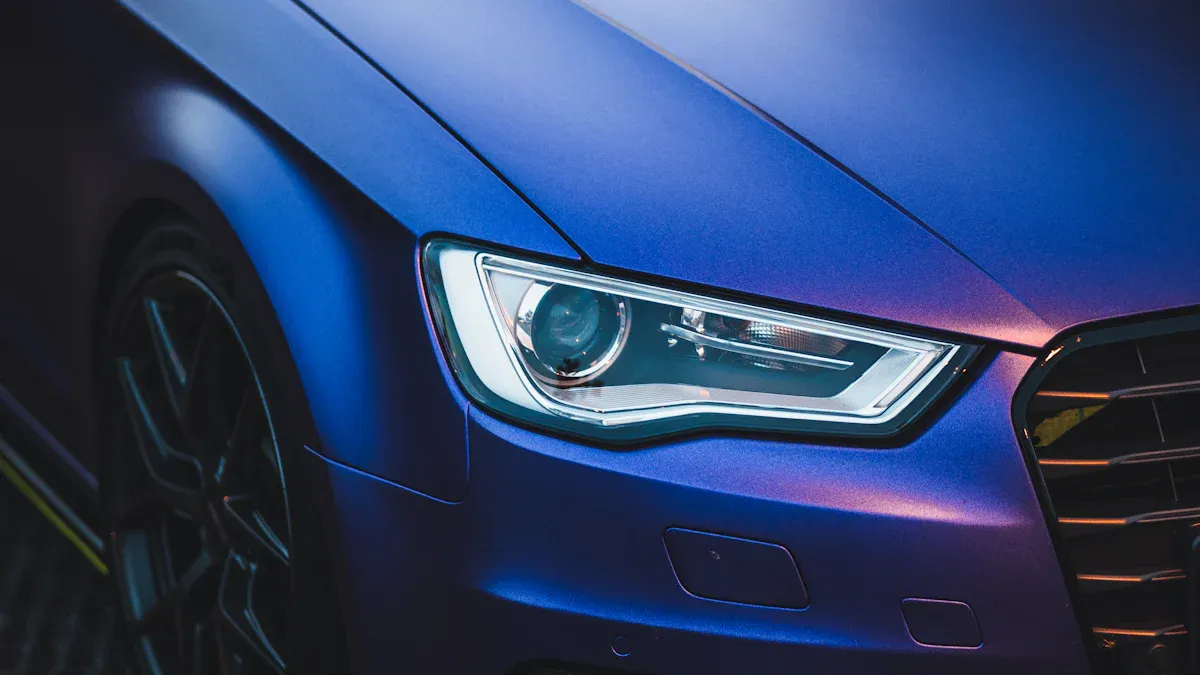
When you start looking at car wraps, you’ll notice two main types of vinyl: standard and premium. Standard vinyl works well for basic color changes or simple designs. It gives your car a fresh look without breaking the bank. Premium vinyl, though, takes things up a notch. You get better durability, richer colors, and a finish that stands out. If you want your car to turn heads and keep its wrap looking sharp for years, premium vinyl is the way to go.
Here’s a quick table to show how the price changes with different vinyl types:
|
Type of Vinyl Wrap |
Price Range |
|---|---|
|
Lower than textured/custom |
|
|
Textured Vinyl Wrap |
$1,000 to $5,000+ |
|
Custom Printed Vinyl Wrap |
$1,000 to $10,000+ |
Premium vinyl costs more, but you get higher quality and longer-lasting results. If you care about the quality of your car’s appearance, investing in premium materials makes a big difference.
Finish Options (Gloss, Matte, Chrome)
The finish you choose for your car wrap changes the whole vibe of your ride. Gloss wraps give your car a shiny, classic look. Matte wraps offer a smooth, modern style that feels unique. Chrome wraps take things to the next level with a mirror-like shine that grabs attention everywhere you go.
Let’s look at how different finishes affect the price:
|
Finish Type |
Price Range |
|---|---|
|
Matte Wraps |
$2,000 – $4,000 |
|
Gloss Wraps |
$2,000 – $4,000 |
|
Satin Wraps |
$2,000 – $4,000 |
|
Carbon Fiber Wraps |
$3,500 – $6,000+ |
|
Chrome Wraps |
Starting at $6,000 |
A plain matte or gloss wrap for a standard car usually costs between $2,500 and $3,500. If you drive a larger car like an SUV or truck, the price can go up to $5,000. Chrome wraps start at $6,000 because they need special skill and materials. The finish you pick not only changes the look but also shows off the quality of your car wrap.
Tip: If you want your car to stand out, try a specialty finish like chrome or carbon fiber. These options cost more, but the quality and wow factor are hard to beat.
Lamination and Durability
Lamination adds a protective layer over your car wrap. This step keeps the colors bright and protects against scratches, sun, and weather. If you want your wrap to last as long as possible, lamination is a smart choice. It helps keep the quality high, even after years on the road.
You can choose from different types of lamination, like gloss or matte, to match your wrap’s finish. Lamination boosts durability and keeps your car looking fresh. If you skip this step, your wrap might fade or peel sooner, which means you lose out on quality and value.
Note: Always ask your installer about lamination options. A good lamination job can make your car wrap last up to seven years with the same quality as day one.
Choosing the right materials, finish, and lamination makes a huge difference in the quality and lifespan of your car wrap. If you want your car to look its best and stay protected, focus on these details when you get your next wrap.
How Material Choice Affects Car Wrap Prices
When you pick a material for your car wrap, you do more than choose a color or finish. You decide how long your wrap will last, how much care it needs, and how much you will pay. The type of vinyl makes a big difference in both price and performance.
Let’s look at the two main types of vinyl you’ll see for car wraps:
|
Material Type |
Lifespan |
Characteristics |
|---|---|---|
|
Cast Vinyl |
Thin, durable, premium quality, better UV resistance |
|
|
Calendared Vinyl |
2–3 years |
Thicker, less flexible, more prone to cracking |
Cast vinyl costs more, but you get a wrap that lasts longer and looks better. It handles curves and corners on your car with ease. Calendared vinyl is cheaper, but it does not last as long and can crack or fade faster. If you want your car to look sharp for years, cast vinyl is a smart investment.
The finish you choose also affects the price. Gloss and matte wraps usually cost less than chrome or carbon fiber. Specialty finishes need more skill and special materials, which means a higher price tag. If you want your car to stand out, you might pay more for a unique look.
Maintenance matters, too. You can help your car wrap last longer with a few simple steps:
-
Wash your car by hand with mild soap.
-
Skip the automated car wash brushes to avoid scratches.
-
Use UV-protective sprays if you park in the sun a lot.
These habits keep your wrap looking fresh and can stretch its lifespan, no matter which material you pick.
So, how does material choice affect your wallet? Premium materials like cast vinyl and specialty finishes raise the price, but they give you better results and less worry about early fading or peeling. Standard materials cost less up front, but you might need to replace your wrap sooner.
When you plan your car wrap, think about how long you want it to last and how much care you want to give it. The right material can save you money in the long run and keep your car looking great every day.
Installation Cost and Shop Factors
Labor and Regional Pricing
When you look at car wrap installation, labor is one of the biggest factors in the final price. Labor rates change depending on your location. In major U.S. cities, installers often pay their team around $25 per hour. If you live in a busy area, you might see higher prices because demand is strong and local labor costs go up. Smaller towns or rural spots usually have lower rates, but you may not find as many skilled installers.
Your location affects more than just labor rates. Shops in big cities often charge more for installation because rent and expenses are higher. If you want to save money, check out local labor costs in your area and compare quotes from different shops. You might find a better deal just a few miles away.
Tip: Ask your installer about their hourly labor rate. This helps you understand how much of your car wrap cost comes from labor and installation.
Shop Skill and Experience
The skill and experience of the shop matter a lot. A shop with years of experience can handle tricky car shapes and deliver a smooth finish. Skilled installers know how to work with different materials and finishes. They make sure your installation looks great and lasts longer.
If you choose a shop with less experience, you might pay less for labor, but the results may not meet your expectations. Experienced shops often charge more for installation, but you get peace of mind knowing your car is in good hands. Ask for photos of past work or reviews from other customers. This helps you pick the right shop for your car wrap.
Vehicle Complexity and Prep Work
The type of car you drive changes the installation cost. Cars with lots of curves, spoilers, or custom parts need more time and skill. Exotic or luxury vehicles often cost more because installers must be extra careful during installation.
Before installation, your car needs prep work. Shops clean the surface, remove old wraps, and fix any damage. Prep work makes sure the new wrap sticks well and looks smooth. If you have an old wrap, removal adds to the labor cost. The time needed for removal depends on the wrap’s condition. A fresh wrap takes 2 to 4 hours to remove. An average wrap takes 4 to 8 hours. Old or cracked wraps might need 8 to 20 hours.
Here’s a table showing typical costs for vehicle prep and wrap removal:
|
Vehicle Type |
Cost Range |
|---|---|
|
Compact Cars (2-door vehicles) |
$300 – $600 |
|
Sedans and Small SUVs |
$500 – $800 |
|
Larger SUVs and Trucks |
$700 – $1,200 |
|
Exotic or Luxury Vehicles |
$1,000 – $2,000+ |
Most shops offer a 10 to 20 percent discount on removal if you get a new installation. Prep steps can lower your overall costs and help your car wrap last longer.
-
Clean surfaces help wraps stick better.
-
Removal discounts save you money.
-
Good prep work means fewer problems after installation.
Your car’s shape, the condition of old wraps, and the amount of prep work all affect the labor cost. When you plan your installation, ask about these details to get the best price and results.
How Installation Impacts Vehicle Wrap Cost
When you look at the final price for a car wrap, installation plays a huge role. The skill of the installer, the time needed, and the complexity of your car all add up. You might think it’s just about sticking vinyl on your car, but there’s a lot more going on behind the scenes.
First, let’s talk about how the shape and features of your car affect the cost. If your car has lots of curves, deep body lines, or extra accessories, the installer needs to spend more time and use more precision. For example, a standard car might take 10 to 20 hours to wrap. If your car has complex contours or wide panels, it could take 30 to 40 hours. That extra time means higher labor costs.
Here’s what can make installation more expensive:
-
Cars with lots of curves or sharp body lines need careful work.
-
Vehicles with accessories like spoilers, roof racks, or custom trim take longer to wrap.
-
A small hatchback might only need two days for installation, but a large SUV with many features could take four days or more.
-
The more detailed your car’s design, the more time and skill the installer needs.
Labor rates also change based on where you live. Shops in big cities often charge more because their costs are higher. If you live in a smaller town, you might find lower prices, but you may have fewer skilled installers to choose from.
The shop’s experience matters, too. An experienced installer can handle tricky shapes and deliver a smooth, bubble-free finish. You pay a bit more for their skill, but you get better results and a wrap that lasts longer.
Don’t forget about prep work. Before the wrap goes on, the shop needs to clean your car, remove any old wraps, and fix small dents or scratches. If your car has an old wrap, removing it can take several hours. The more prep work needed, the higher the cost.
Tip: Ask your installer how much time they expect to spend on your car. This helps you understand where your money goes and what to expect from the process.
In the end, installation is more than just putting vinyl on your car. The time, skill, and care that go into the job make a big difference in both the look and the price of your car wrap.
Get an Accurate Vehicle Wrap Quote
Checklist for Car Wrap Estimates
Getting an accurate quote for your car wrap starts with a solid checklist. You want to make sure you cover all the important details before you commit. Here’s what you should look for:
-
Confirm the type and thickness of the vinyl material.
-
Ask for third-party test reports on UV resistance, tensile strength, and peel adhesion.
-
Review the warranty terms and what types of failures are covered.
-
Find out the recommended installation temperature and how the shop prepares your car’s surface.
-
Check the maintenance instructions and which cleaning products are safe to use.
-
Request a sample and run basic adhesion, flex, UV, abrasion, and chemical spot tests.
-
Compare the total cost of ownership based on how long the wrap is expected to last.
You should also do a visual inspection. Look for a smooth and flawless finish, consistent color and gloss, and professional installation. Reading customer reviews can help you spot any red flags.
Tip: A good checklist helps you avoid surprises and makes sure you get the best value for your car wrap.
What to Ask Your Installer
You want to feel confident about your car wrap installer. Asking the right questions can help you make a smart choice. Here are some questions to bring up:
-
What’s your warranty and what does it cover?
-
What kind of wrap material do you use and why do you recommend it?
-
My car has a unique shape or obstacle—how will you handle that?
-
I don’t have high-resolution photos for my business wrap—can you help with images?
These questions show you care about quality and want the best results for your car. Don’t be shy about asking for details. A good installer will answer your questions and explain their process.
Comparing Car Wrap Prices
You want to see how prices stack up before you decide. Price comparisons help you spot a fair deal and avoid overpaying. Here’s a table to help you compare car wrap prices for different vehicles and coverage levels:
|
Vehicle Type |
Cost Range |
|---|---|
|
Full Car Wrap |
|
|
Compact Cars |
$1,500 – $3,000 |
|
Trucks and SUVs |
$3,000 – $5,000 |
|
Coupe or Sedan |
$2,300 – $2,850 |
|
Standard Pick-up Truck |
$2,400 – $3,250 |
|
Small to Large Vans |
$2,650 – $4,500 |
|
Trailers/Box Trucks |
$8.50 – $11.00/sq ft |
|
Partial Wraps |
Starting from $1,300 |
When you compare prices, make sure you look at what’s included. Some shops offer extra services like wrap removal or surface prep. Others may charge more for specialty finishes or custom graphics. Always ask for a detailed breakdown so you know exactly what you’re paying for.
Note: Comparing car wrap prices helps you find the right balance between quality and cost. Take your time and choose the option that fits your needs.
[CTA] Print Pricing & Custom Design Inquiry
Ready to see your car stand out on the road? Now is the perfect time to take the next step. You have learned about the main factors that affect car wrap prices. You know how coverage area, design complexity, materials, and installation all play a role. The checklist above helps you get a clear estimate. Let’s make your car wrap project easy and stress-free.
If you want a custom look or need print pricing for your car, reach out for a personalized quote. Most shops offer free consultations. You can ask about different wrap styles, finishes, and design options. Whether you want a full wrap, a partial wrap, or just a logo on your car, you can get expert advice tailored to your needs.
Here’s how you can get started:
-
Fill out a quick inquiry form
Share your car’s make, model, and year. Mention if you want a full or partial wrap. Upload photos if you have them. -
Describe your design ideas
Tell the shop about your vision. Do you want bold colors, a matte finish, or custom graphics? The more details you give, the better your quote will be. -
Request print pricing
Ask for a breakdown of costs for different materials and finishes. See how your choices affect the final price. -
Schedule a design consultation
Meet with a designer to review your options. You can see samples and get answers to your questions.
Pro Tip: The more information you provide, the more accurate your car wrap quote will be. Don’t hesitate to ask about warranties, installation timelines, and care instructions.
Many shops have online tools or live chat support. You can get instant answers and compare prices without leaving home. If you want to see real results, ask for before-and-after photos of past car wrap projects. This helps you pick the right shop for your style and budget.
|
Step |
What to Do |
Why It Matters |
|---|---|---|
|
Inquiry Form |
Share car details and photos |
Helps get a precise quote |
|
Design Consultation |
Discuss ideas with a designer |
Ensures your vision is clear |
|
Print Pricing |
Request cost breakdowns |
Lets you compare options |
|
Sample Review |
See vinyl and finish samples |
Shows quality and durability |
You want your car to look amazing and last for years. A custom wrap gives you control over every detail. Start your journey today by reaching out for print pricing and a custom design inquiry. Your dream car wrap is just a click away!
You now know that car wrap prices change based on four things: coverage area, design complexity, materials, and installation. Look at this table to see how much wraps can cost for different vehicles:
|
Vehicle Type |
Partial Wrap Cost |
Full Wrap Cost |
|---|---|---|
|
Sedan |
$800-$2,500 |
$2,500-$4,400 |
|
Pickup Truck |
$1,200-$3,000 |
$3,800-$6,500 |
Knowing these things helps you guess the price and make good choices. Use a checklist, get quotes, and try online tools like shopVOX or Pro Vehicle Outlines. After that, talk to local shops for your own quote and ask about installation and how to care for your wrap.
FAQ
What is the difference between a full wrap and a partial wrap?
A full wrap covers every visible part of your car. A partial wrap only covers certain panels, like the hood or doors. You can choose based on your budget and style.
How long does a car wrap take to install?
Most shops finish a car wrap in two to four days. If your car has a complex shape or custom graphics, it might take a little longer.
Can I change my car’s color with a wrap?
Yes! You can pick almost any color for your car wrap. You can also add patterns, textures, or custom graphics to make your car stand out.
How long will my car wrap last?
A quality car wrap usually lasts five to seven years. If you care for your car and avoid harsh cleaners, your wrap will look great for a long time.
Is a car wrap easy to remove?
You can remove a car wrap without damaging your paint. Professional shops use safe methods. If you want a new look, you can change your wrap anytime.
Does a car wrap protect my paint?
A car wrap acts like a shield. It helps protect your paint from scratches, sun, and weather. You keep your car looking fresh and new.
How much does a car wrap cost compared to paint?
A car wrap often costs less than a custom paint job. Wraps give you more design choices and faster installation. You save money and get a unique look.
Can I wash my car after getting a wrap?
You can wash your car by hand with mild soap. Avoid automatic car washes with brushes. This keeps your wrap looking clean and bright.