Cheap Wraps vs Quality Wraps: A Cost-of-Ownership Breakdown (Fading, Lifting, Reprints)


You might think saving money on car wrapping sounds smart at first. Many people grab the cheapest vehicle wrap, hoping to cut costs. But cheap wraps can fade fast, crack, or lift at the edges. You could end up spending more fixing issues or replacing panels. Take a look at this quick Cost-of-Ownership Breakdown:
|
Type of Wrap |
Lifespan |
Long-term Cost Impact |
|---|---|---|
|
Cheap Wrap |
1-2 years |
Higher due to frequent replacements |
|
Quality Wrap |
5-7 years |
Lower maintenance, better value over time |
If you want your car to look sharp and hold value, choosing wisely matters.


Key Takeaways
-
Cheap wraps cost less at first but can cost more later. You may need to fix or replace them often.
-
Quality wraps last longer, usually 5 to 7 years. This means you do not need to reprint as much. You save money over time.
-
Buying quality wraps keeps your car’s paint safe. It helps your car stay valuable and makes your brand look good.
-
Pick installers who have certificates and lots of experience. This helps your wrap look nice and stops problems like fading or lifting.
-
Wash your wrap gently and use UV protection. Doing this helps your wrap last longer and stay nice.
-
Think about all the costs, like repairs and lost time. Do not just look at the first price when you pick a wrap.
-
Quality wraps come with a strong warranty and good support. This helps you feel safe about your choice.
-
Check your wrap often for bubbles or edges that lift. Fix problems quickly so you do not pay for big repairs.
Cheap vs Quality Wraps Overview
What Are Cheap Wraps?
You see cheap wraps advertised a lot. These wraps use materials that are not very strong. They do not last as long as better wraps. Installers do not need much training to put them on. The job gets done quickly, but it is not always done well. Cheap wraps can look nice at first. But soon, you might see fading or lifting. You probably will not get much help after the wrap is put on. If you want something fast or just for a short time, cheap wraps might seem good. Still, you should know the final look might not impress people.
Tip: Cheap wraps cost less at first, but you may pay more later for repairs or new wraps.
Here is a quick way to see how cheap wraps and quality wraps are different:
|
Aspect |
Cheap Wraps |
Quality Wraps |
|---|---|---|
|
Material Quality |
Often lower-grade materials |
High-quality, durable materials |
|
Installation Difficulty |
Easier to install, less skill needed |
Requires skilled, certified installers |
|
Post-Installation Care |
Minimal attention required |
Extensive post-installation checks |
|
Installer Certification |
No formal training |
3M Certified, extensive training |
|
Final Appearance |
May look unprofessional |
Designed to mimic a paint job |
What Are Quality Wraps?
Quality wraps use better materials that last longer. They do not fade as fast. Skilled installers put these wraps on. Many have special training from brands like 3M. The wrap looks smooth and neat. Quality wraps need careful work and lots of checks after they are done. Your car can look great for many years. If you want your wrap to last and look good, quality wraps are a smart choice.
Note: Quality wraps cost more at first, but you save money later because you do not need as many repairs or new wraps.
Vinyl Wraps vs Paint
You might wonder how vinyl wraps compare to paint. Vinyl wraps usually last five to seven years. Paint can last five to ten years or even longer if you take care of it. Vinyl wraps cost less at the start. But you might need to get a new wrap sooner than new paint. Still, wraps are easy to change and your car does not need to be in the shop for long. If you want a new look without painting, wraps give you more choices and style.
Initial Cost Breakdown
Cheap Wrap Pricing
You want to know how much a cheap wrap costs. Most basic car wraps in this category start at $1,500 and go up to $1,800. These prices usually cover standard vinyl and a quick installation. You might see deals that look even lower, but those often skip important steps or use lower-quality materials. If you want a simple look for a short time, this option can seem like a good deal. Here’s a quick car wrap cost breakdown for cheap wraps:
-
Basic wrap: $1,500–$1,800
-
Limited color and finish choices
-
Shorter lifespan (1–2 years)
-
Minimal or no warranty
You may find these wraps at small shops or from installers who offer fast service. The upfront cost comparison makes cheap wraps look attractive, but you need to think about what you get for your money.
Quality Wrap Pricing
Quality wraps cost more at the start, but you get a lot more value. Most quality wraps for cars range from $4,000 to $7,000 or more. Specialty finishes or custom designs can push the price even higher. Many people choose a mid-range option, which costs about $2,500 to $3,500. This price includes premium vinyl and professional installation. Here’s a car wrap cost breakdown for quality wraps:
-
Mid-range wrap: $2,500–$3,500
-
Premium wrap: $4,000–$7,000+
-
Wide range of colors and finishes
-
Longer lifespan (5–7 years or more)
-
Strong warranty and aftercare
You pay more up front, but you get a wrap that lasts longer and looks better. If you compare diy vs professional wrap cost comparison, you will see that professional quality wraps often save you money in the long run.
What’s Included in the Price
Not all wraps include the same things in the price. Cheap wraps usually cover just the basics. Quality wraps give you more protection and support. Take a look at this table to see what you get with each type:
|
Feature |
Quality Wraps |
Cheap Wraps |
|---|---|---|
|
Warranty |
N/A |
|
|
Material Quality |
3M, Avery Dennison, Hexis |
Standard vinyl |
|
Installation Quality |
Skilled, bubble-free |
Basic, quick |
|
Aftercare Support |
Dedicated support |
None |
|
Color and Finish Options |
Many choices |
Limited |
|
Weather Resistance |
Yes |
No |
You can see that quality wraps include more services and better materials. This cost breakdown helps you see the real value behind the price tag. When you look at the total car wrap cost breakdown, you get a clear picture of what you pay for and what you actually receive.
Durability and Lifespan
Cheap Wrap Longevity
When you pick a cheap wrap, you might notice it looks good at first. Over time, though, the shine fades and problems start to show. Most cheap wraps use calendared vinyl. This material usually lasts about 3 to 5 years if you take care of it. You may see fading, cracks, or lifting at the edges even sooner if you park outside or drive a lot. Cheap wraps often lose their color and smooth finish faster than you expect. You might need to replace or repair parts of the wrap before you want to. That means your cost can go up, even if you paid less at the start.
Quality Wrap Longevity
Quality wraps stand out because they use better materials and skilled installers. Most quality wraps use PVC-based cast vinyl. This type of vinyl wrap can last between 5 to 7 years when you follow the right care steps. You get a longer-lasting look and better protection for your car. Quality wraps keep their color and smooth finish for years. You do not have to worry about fading or lifting as much. When you choose a quality wrap, you invest in durability and save money on repairs and replacements.
Here’s a quick look at the average lifespan for each type:
|
Wrap Material Type |
Average Lifespan |
|---|---|
|
PVC-Based Cast Vinyl |
5–7 years |
|
Calendared Vinyl |
3–5 years |
Tip: If you want your car to look great for a long time, a quality wrap is the smart choice.
Factors Affecting Lifespan
You can help your wrap last longer if you know what affects its durability. The place where you park and drive matters a lot. Sunlight can break down the material and cause fading. Extreme heat or cold makes the vinyl expand and contract, which can lead to cracks or lifting. Humidity can weaken the glue, while dry air can make the vinyl brittle. Pollution, salt air, and rough roads also wear down your wrap faster.
Some things you do can also change how long your wrap lasts:
-
Parking in direct sunlight every day
-
Using rough or abrasive car washes
-
Skipping regular cleaning or using harsh cleaners
If you want the best durability, try to park in the shade, wash your car gently, and follow the care tips from your installer. Taking these steps helps you get the most out of your wrapping and protects your investment.
Fading and Lifting Issues
Wrap Fading Problems
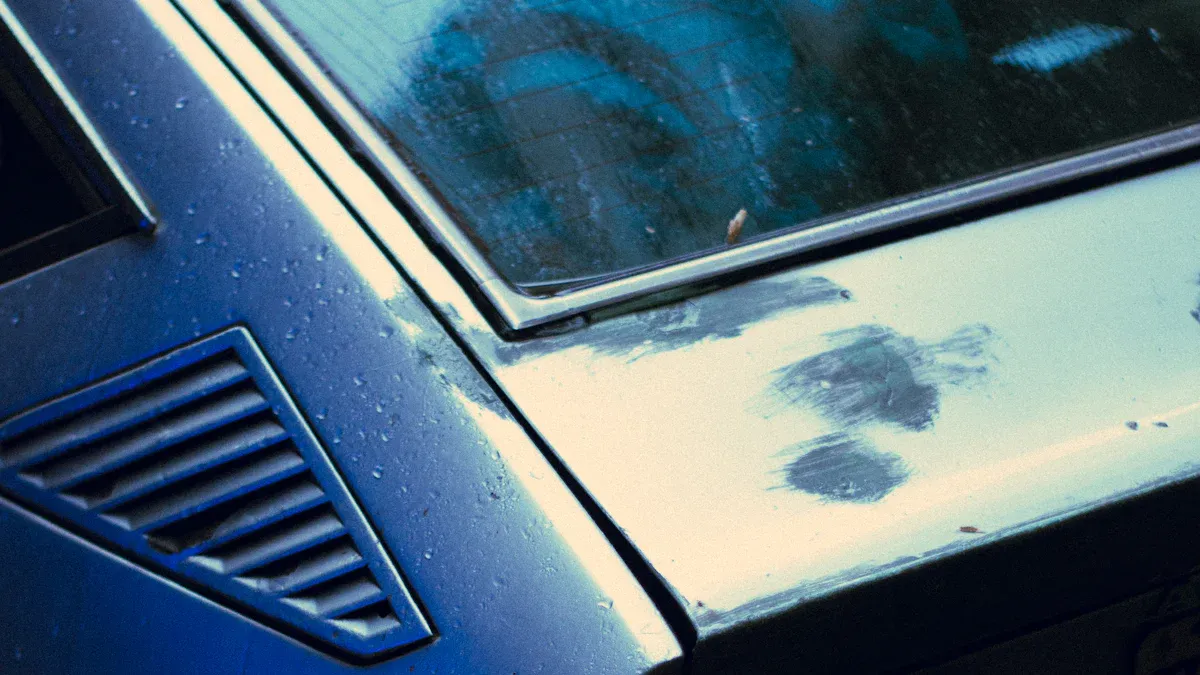
You want your car to look bright and fresh after wrapping. Cheap wraps often lose their color fast. Sunlight, rain, and pollution can make the colors fade. You might see your red turn pink or your blue look dull. This happens because cheap wraps use lower-quality inks and vinyl. They do not have strong UV protection. You may notice fading in just a few months, especially if you park outside a lot.
Quality wraps hold their color much longer. They use better materials and inks. These wraps have UV blockers that protect against sunlight. Your car stays bold and shiny for years. If you want to see more about fading, check out this BLOG on common wrap problems.
Tip: If you want your wrap to look good for a long time, ask your installer about UV protection.
Edge Lifting Risks
Edge lifting can make your wrap look messy. This happens when the edges of the vinyl start to peel away from the car. Cheap wraps lift at the edges because the glue is weak or the installer rushed the job. You might see corners curling up or bubbles forming. Water and dirt can get under the wrap, making things worse.
Quality wraps stick better. Skilled installers use strong adhesives and take their time. They heat-seal the edges so the wrap stays flat. You do not have to worry about peeling or bubbles. If you want to learn more about edge lifting, visit this PP guide.
Here’s a quick table to compare:
|
Issue |
Cheap Wraps |
Quality Wraps |
|---|---|---|
|
Fading |
Fades quickly |
Stays vibrant |
|
Edge Lifting |
Common problem |
Rare with good care |
Repair and Reprint Panels
When your wrap fades or lifts, you may need repairs. Cheap wraps often need reprints or new panels. This means you pay for extra material and labor. You might have to leave your car at the shop again. That means more downtime for you.
Quality wraps rarely need repairs if you care for them. If something does happen, you can often fix just one panel. The color matches well, and the repair blends in. You save time and money. For more on repairs and reprints, check this CD resource.
Note: Cheap wraps may seem like a bargain, but repairs and reprints can add up fast.
If you want your wrap to last, choose quality from the start. You will spend less time worrying about fading, lifting, and repairs. For more tips, see this OTHER article on wrap maintenance.
Hidden Costs of Cheap Wraps
When you look at cheap wraps, the price tag might catch your eye. But there are hidden costs that can surprise you later, especially if you use your car for commercial branding or marketing. Let’s break down what you might face.
Reinstall Expenses
Cheap wraps often come with problems you do not see right away. You might notice the wrap starts to peel or bubble. This usually happens because of adhesive failure. Sometimes, installers do not clean the surface well before wrapping. Dirt or oil gets trapped under the vinyl. The wrap does not stick, and you see edges lifting or corners curling. You may need to remove the wrap early and pay for a new one. That means you spend more on materials and labor. Cheap wraps can also damage your car’s paint during removal. If the adhesive is too strong or the installer uses the wrong tools, you could end up with scratches or patches. These extra repairs add to your cost and lower your vehicle’s value.
Here are some common hidden costs with cheap wraps:
-
Paying for early removal and reinstallation
-
Fixing paint damage caused by poor adhesives
-
Buying new panels to replace faded or damaged sections
Downtime Impact
If you use your car for commercial branding, downtime can hurt your business. When your wrap fails, you need to take your vehicle off the road for repairs. This means you lose time and money. For commercial fleets, the impact grows fast. Every day your car sits in the shop, you miss out on marketing and sales.
Check out this table to see how downtime adds up for commercial vehicles:
|
Repair Method |
Downtime per Vehicle |
Opportunity Cost (per day) |
Total Opportunity Cost |
|
|---|---|---|---|---|
|
Traditional Painting |
5-7 days |
50-70 days |
$500 |
$25,000 – $35,000 |
|
Fleet Wrapping |
1-3 days |
10-30 days |
$500 |
$5,000 – $15,000 |
If you choose a cheap wrap, you might need more repairs and more downtime. That means higher costs and less time for commercial branding and marketing.
Brand and Resale Value
Your car is more than just a ride. It’s a moving billboard for your commercial brand. Cheap wraps can hurt your branding in many ways. If your wrap fades, peels, or shows bubbles, people notice. Customers might think your business does not care about quality or brand consistency. This can damage your reputation and make your marketing less effective.
Here’s what you risk with cheap wraps:
-
Buyers see peeling edges, bubbles, or sticky residue and think the car has not been cared for.
-
Poor-quality wraps can damage the paint, lowering the resale value.
-
Cheap wraps create a negative impression, which hurts your commercial branding and marketing.
-
High-quality wraps protect the paint and keep your brand consistency strong, which can boost resale value.
If you want your commercial vehicles to keep their value and support your branding, it pays to invest in quality wraps. You get better brand consistency, stronger marketing, and a higher resale value when it’s time to sell or upgrade.
For more tips on protecting your commercial brand and vehicle value, check out this BLOG on wrap maintenance and branding best practices.
Durability Math: Per-Year Cost
You want to know what you really pay for a vinyl wrap over time. Let’s break down the numbers so you can see which option gives you the best long-term value.
Cheap Wraps Per-Year Cost
Cheap wraps might look like a bargain at first. You pay less up front, but you need to replace them more often. Most cheap vinyl wrap jobs use calendared vinyl. These wraps last about two years before you see fading, lifting, or cracks. You might need to fix or redo the wrapping sooner if your car sits outside or you drive a lot.
Here’s how the math works out for cheap wraps:
|
Material Type |
Installed Cost (avg) |
Lifespan |
Cost Per Year |
|---|---|---|---|
|
Calendared Vinyl |
$2,200 |
2 years |
$1,100/year |
You pay $2,200 for a cheap wrap. After two years, you need a new one. Over four years, you spend $4,400. That’s $1,100 each year. If you run a business, you also lose time when your car is in the shop for rewrapping. That downtime can cost you even more.
Tip: Cheap wraps need more repairs and replacements. The long-term cost adds up fast.
Quality Wraps Per-Year Cost
Quality wraps use cast vinyl. These wraps last much longer—usually six years or more. You pay more up front, but you do not need to replace the wrapping as often. You also get better fade resistance and edge stability. That means less time and money spent on repairs.
Check out the numbers for quality wraps:
|
Material Type |
Installed Cost (avg) |
Lifespan |
Cost Per Year |
|---|---|---|---|
|
Cast Vinyl |
$3,500 |
6 years |
$583/year |
You pay $3,500 for a quality wrap. It lasts six years. That’s about $583 each year. You save money because you do not need to rewrap your car as often. You also avoid extra downtime and keep your car looking sharp for longer.
Note: Quality wraps give you a better ROI. You pay less per year and get more value for your money.
Cost-Effective Ownership Example
Let’s look at a real-world scenario. Imagine you own a small business with three cars. You want your fleet to look good and last. Here’s a five-year total cost analysis for both options:
-
Cheap Wraps:
-
Year 1: $2,200 per car
-
Year 3: $2,200 per car (replacement needed)
-
Five-year total cost: $4,400 per car
-
More downtime for rewrapping
-
Lower ROI
-
-
Quality Wraps:
-
Year 1: $3,500 per car
-
No replacement needed for five years
-
Five-year total cost: $3,500 per car
-
Less downtime
-
Higher ROI
-
You can see that quality vinyl wrap gives you a lower long-term cost. You spend less time and money on repairs and replacements. Your cars stay on the road, and your brand looks strong. If you want the best value, quality wrapping is the smart choice for long-term savings.
If you care about ROI and want your car to look great for years, invest in a quality wrap. The numbers do not lie!
Visual Quality Metrics
When you look at a car wrap, you want to know if you got your money’s worth. You can spot the difference between a cheap wrap and a quality wrap just by using your eyes and a little know-how. Let’s break down what to look for.
Signs of Good Quality
A quality wrap stands out right away. You’ll notice the colors look bold and even. The finish feels smooth when you run your hand over it. The edges sit flat against the car, with no jagged lines or rough cuts. Graphics and patterns line up perfectly, so the design looks sharp and professional. You won’t see any cracks, peeling, or bubbles.
Here’s a quick table to help you spot the signs of a good wrap:
|
Indicator |
What to Look For |
|---|---|
|
Graphics & Patterns |
Lines and images match up perfectly—no misalignment |
|
Surface feels smooth, no cracks or peeling |
|
|
Adhesion |
Corners and edges stick tight, no lifting |
|
Edge Quality |
Edges look clean and uniform, not rough or jagged |
Tip: A quality wrap should look almost like paint. If you can’t tell it’s vinyl, that’s a good sign!
Red Flags to Avoid
Cheap wraps show their flaws pretty quickly. You might see bubbles trapped under the vinyl. Wrinkles or folds can pop up, especially around curves or corners. Sometimes, you’ll spot color that looks faded or uneven. Edges may start to lift, and you might even find dirt or debris under the film. These problems usually mean the installer rushed the job or used low-quality materials.
Watch out for these warning signs:
-
Bubbles or air pockets under the wrap
-
Wrinkles or folds, especially near edges or curves
-
Faded or inconsistent color
-
Lifted corners or peeling edges
-
Rough or jagged edge cuts
-
Dirt, dust, or debris trapped under the vinyl
If you see these issues, the wrap probably won’t last long. You could end up paying for repairs or a full rewrap sooner than you think.
Note: Reliable installers offer warranties and clear pricing. If you don’t get a warranty or see hidden fees, that’s a red flag.
How to Inspect Vinyl Wraps
You don’t need to be an expert to check your wrap. Just follow a simple checklist:
-
Walk around your car and look at every panel in good light.
-
Check if the graphics and patterns line up from one panel to the next.
-
Run your hand along the edges. They should feel smooth and stick tight.
-
Look for bubbles, wrinkles, or lifted corners.
-
Check for color that looks faded or patchy.
-
Make sure there’s no dirt or debris under the film.
-
Ask if your installer is certified and insured.
-
If your car has fresh paint, make sure it cured long enough before wrapping.
-
Look for any signs of rust, chips, or cracks under the wrap.
If you spot any problems, talk to your installer right away. A quality wrap should look great and last for years. When you know what to look for, you can protect your investment and enjoy a car that turns heads for all the right reasons.
Total Cost-of-Ownership Breakdown
Side-by-Side Cost Comparison
Let’s put everything together in one place. You want to see how cheap wraps and quality wraps stack up over the years. Here’s a total cost breakdown that covers installation, repairs, downtime, and the hidden costs that sneak up on you.
|
Feature/Cost Factor |
Cheap Wraps |
Quality Wraps |
|---|---|---|
|
Upfront Cost |
$1,500–$2,200 |
$2,500–$3,500+ |
|
Material Quality |
Basic calendared vinyl |
Premium cast vinyl |
|
Installation |
Quick, less skilled |
Certified, detailed |
|
Lifespan |
1–2 years |
5–7 years |
|
Annual Cost (avg) |
$1,100 |
$583 |
|
Repairs/Reprints |
Frequent, costly |
Rare, minor |
|
Downtime |
More frequent, longer |
Minimal |
|
Warranty |
Little or none |
Strong, multi-year |
|
Brand/Resale Impact |
Can hurt value |
Protects value |
Many people focus only on the upfront price. The real cost-of-ownership breakdown shows that cheap wraps often lead to a chain of repairs, lost time, and even brand damage. That “cheap deal” can end up costing you much more than you planned.
Key Differences Summary
You might wonder what really sets these two options apart. Here’s a quick checklist to help you spot the main differences:
-
Cheap wraps need more repairs and reprints. You spend more time and money fixing problems.
-
Quality wraps last longer. You get fewer headaches and better protection for your car.
-
Cheap wraps can fade, lift, or peel. This hurts your brand and lowers resale value.
-
Quality wraps keep your car looking sharp. They help your business stand out.
-
Downtime adds up fast with cheap wraps. Every day your vehicle sits in the shop, you lose money.
-
Quality wraps mean less downtime. You stay on the road and keep your business moving.
High-quality paint jobs demand extensive downtime that kills productivity and costs you money every day your vehicle remains in the paint shop. On the flip side, wraps deliver immediate gratification and faster returns on investment.
Which Is More Cost-Effective?
You want to make the smartest choice for your wallet and your business. When you look at the full cost-of-ownership breakdown, quality wraps come out ahead. You pay more at the start, but you save big over time. Repairs, downtime, and lost business add up fast with cheap wraps. Quality wraps protect your investment and keep your car looking great for years.
The dangerous mistake many companies make is focusing solely on the upfront bid rather than the total cost of ownership over the 4–5 years they expect the wrap to last. That’s where the perceived ‘cheap deal’ dissolves, turning into a hidden chain of repairs, lost leads, and irreparable brand damage.
Material costs for wraps range from $10 to $25 per square foot, depending on the vinyl quality. Professional installation can run from $500 to $2,000, based on your vehicle’s size and shape. When you add up all the numbers, quality wraps give you the best value and peace of mind.
If you want a cost-effective solution that keeps your car and brand looking their best, choose quality wraps. You’ll spend less over time and avoid the headaches that come with cheap alternatives.
Checklist for Choosing Wraps
Choosing the right wrap for your vehicle can feel overwhelming. You want your investment to last, look great, and fit your budget. Use this checklist to make sure you get the best value and avoid common pitfalls that come with cheap wraps.
Questions for Installers
Before you commit, ask your installer a few key questions. These will help you spot true professionals and avoid costly mistakes:
-
What is your experience in the industry?
-
Can you show examples of your previous work?
-
What materials do you use for your wraps?
-
How long will the installation process take?
-
What is your pricing structure?
-
Do you offer any warranties or guarantees?
-
How will you help me maintain and care for my vehicle wrap?
You should also check if the installer uses a clean, controlled environment. Pay attention to their attention to detail when you first meet. Get quotes from more than one shop so you can compare both quality and cost.
Material and Warranty Checks
Not all wraps are created equal. Quality wraps use premium vinyl from trusted brands. Cheap wraps often cut corners with lower-grade materials. Here’s a quick table to help you compare:
|
Factor |
Cheap Wraps |
Quality Wraps |
|---|---|---|
|
Material Quality |
Basic vinyl, fades quickly |
Premium vinyl, vibrant and durable |
|
Warranty |
Little or none |
5–7 years, covers defects and wear |
|
Customer Service |
Limited support |
Strong aftercare and guidance |
Ask your installer about the warranty for both the material and the installation. A long warranty shows the company stands behind its work. Extended warranties also give you peace of mind for long-term maintenance. If you want wrap maintenance advantages, choose a shop that offers clear terms and stands by their product.
Aftercare Tips
Proper aftercare keeps your wrap looking sharp and extends its life. Here are some easy tips:
-
Wash your car by hand every two weeks with a soft cloth and mild soap.
-
Avoid harsh chemicals and abrasive sponges.
-
Apply a UV protectant made for vinyl to prevent fading.
-
Park in the shade during hot months to reduce sun damage.
-
In winter, skip harsh de-icing chemicals.
-
Check your wrap often for signs of wear and fix any issues quickly.
-
If you use a car wash, pick a touchless or soft-cloth system and skip the wax.
Good wrap maintenance requirements are simple but important. Following these steps helps you get the most out of your wrapping and protects your investment.
Ready to upgrade your vehicle’s look? Use this checklist or talk to a reputable installer. Make a smart choice and enjoy the benefits of a quality wrap for years to come!
You want your vehicle to look great and save money in the long run. Choosing a quality wrap gives you better results and fewer headaches. Many people make the mistake of picking based only on the lowest cost, but that can lead to hidden fees and extra work. Think about long-term value, not just the price tag. For the best outcome, talk with a trusted installer or use the checklist before you decide.
FAQ
What makes a cheap wrap fade faster?
Cheap wraps use lower-quality vinyl and weak inks. Sunlight and weather break down these materials quickly. You see colors lose brightness in just a few months.
Why do wraps lift at the edges?
Poor adhesives and rushed installation cause edge lifting. Cheap wraps often peel because the installer did not seal the corners well. Quality wraps stick tight and stay flat.
How often do I need to reprint panels on a cheap wrap?
You may need to reprint panels every year or two. Fading, bubbles, and peeling happen fast. Quality wraps rarely need reprints if you care for them.
Will a cheap wrap hurt my car’s resale value?
Yes. Buyers notice faded colors, peeling edges, and damaged paint. Quality wraps protect your car’s finish and help keep its value high.
What is the real cost-of-ownership for cheap wraps?
Cheap wraps seem affordable at first. Repairs, replacements, and downtime add up. You pay more over time than with a quality wrap.
How can I spot a quality wrap?
Look for smooth surfaces, tight edges, and vibrant colors. Ask about installer certification and warranty. Quality wraps look almost like paint.
Do quality wraps need special care?
Yes. Wash gently, avoid harsh chemicals, and park in the shade. Follow aftercare tips from your installer to keep your wrap looking sharp.
Can I fix bubbles or peeling myself?
Small bubbles may go away with heat. Peeling edges need professional repair. Trying to fix it yourself can make the problem worse.