Why You Should Never Ignore the Check Engine Light in 2025


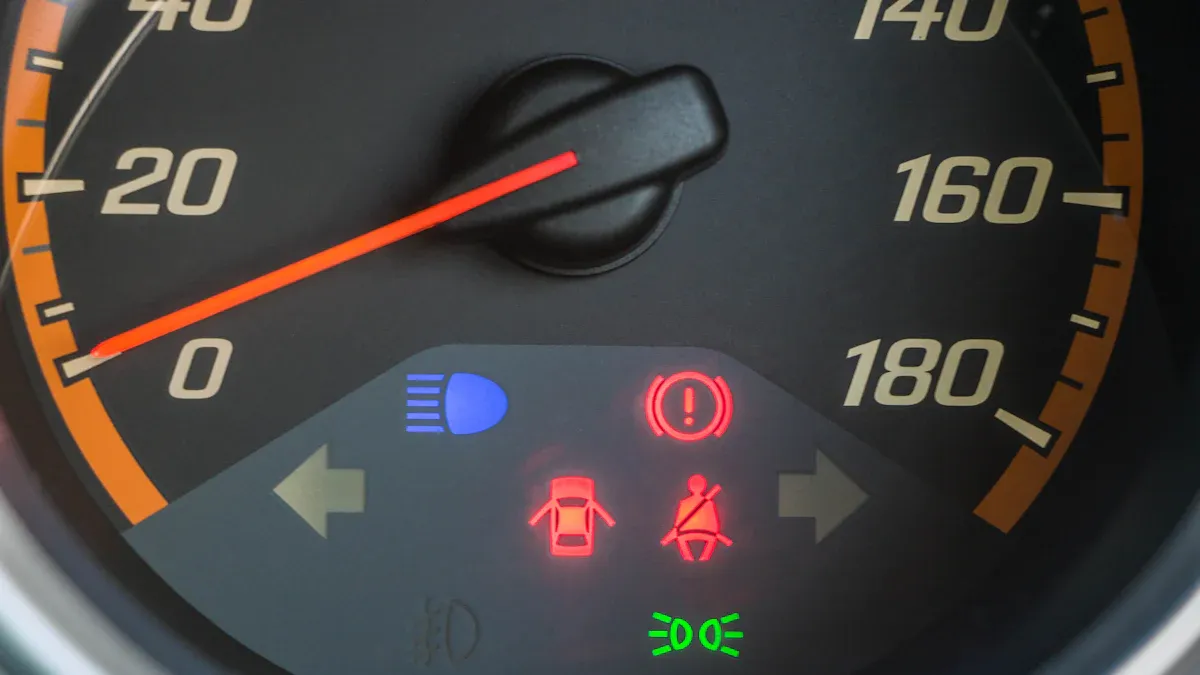
When the check engine light appears on your dashboard, it’s not just a minor inconvenience. This warning light signals that something in your vehicle needs attention. Ignoring it can lead to costly repairs, jeopardizing both your safety and your vehicle health. A small issue, like a loose gas cap, can escalate into a major problem if left unchecked. Acting promptly not only saves you money but also ensures your car runs efficiently and reliably.












Key Takeaways
- The check engine light shows problems with your car. Ignoring it can cause expensive repairs and safety issues.
- Common reasons for the light include a loose gas cap, bad oxygen sensors, or spark plug troubles. Fix these quickly to avoid worse problems.
- Small issues can turn into big repairs if ignored. Regular check-ups catch problems early and save money.
- Ignoring the light can lower gas mileage and car performance. Fixing it on time keeps your car running well and saves fuel.
- In 2025, stricter rules make fixing the light important. Following these rules avoids fines and helps the environment.
- An OBD-II scanner can find problems fast. This tool gives helpful details about your car’s condition.
- Regular visits to a mechanic are important. They can find hard-to-spot problems and keep your car safe.
- Fixing the check engine light early protects your car. Acting fast saves money and makes your car last longer.
Why the Check Engine Light Turns On
Common Causes for Vehicle Owners
The check engine light can activate for several reasons. It serves as a warning system, alerting you to potential issues with your vehicle. Some causes are minor, while others require immediate attention. Understanding these common triggers can help you take the right steps to address the problem.
Loose or Faulty Gas Cap
A loose or faulty gas cap is one of the most frequent reasons for the check engine light to turn on. This small component plays a crucial role in maintaining your vehicle’s fuel system. When the gas cap is not secured properly, it can cause fuel vapors to escape, leading to a drop in fuel efficiency and triggering an error code.
- Loose or missing gas caps are a common cause of check engine light activation.
- Tightening or replacing the gas cap is the second most common vehicle repair.
- A faulty gas cap can reduce gas mileage by 0.5%, impacting fuel economy.
If you notice the check engine light after refueling, inspect the gas cap first. Ensure it is tightened securely. If the light remains on, consider replacing the cap to avoid further complications.
Oxygen Sensor Malfunctions
The oxygen sensor is another critical component that can trigger the check engine light. This sensor monitors the oxygen levels in your vehicle’s exhaust gases and sends data to the engine control unit (ECU). The ECU uses this information to adjust the air-fuel mixture for optimal performance.
- Oxygen sensors monitor unburned oxygen in the exhaust system.
- They help the ECU optimize the air-fuel mixture for better efficiency.
- Malfunctions can lead to decreased fuel efficiency and increased emissions.
- A faulty sensor can also damage the catalytic converter over time.
When the oxygen sensor fails, your vehicle may consume more fuel and produce higher emissions. Addressing this issue promptly can prevent further damage and ensure your car runs smoothly.
Catalytic Converter Issues
The catalytic converter plays a vital role in reducing harmful emissions from your vehicle. It converts toxic gases, like carbon monoxide and nitrogen oxides, into less harmful substances before they exit the exhaust system. When this component malfunctions, it can trigger the check engine light and lead to serious problems.
A failing catalytic converter often results in reduced engine performance. You might notice sluggish acceleration or difficulty maintaining speed. Additionally, your vehicle may emit a strong sulfur-like odor, which indicates that the converter is not processing exhaust gases effectively. Ignoring these signs can cause further damage to your engine and increase repair costs.
Tip: If your vehicle struggles to pass an emissions test, the catalytic converter might be the culprit. Addressing this issue promptly can save you from hefty fines or penalties due to stricter emission standards in 2025.
Replacing a catalytic converter can be expensive, but neglecting the problem can lead to even higher costs. Regular maintenance, such as timely oil changes and addressing oxygen sensor issues, helps extend the lifespan of this critical component. By taking action early, you can avoid the cascading effects of catalytic converter issues.
Problems with Spark Plugs or Ignition Coils
Spark plugs and ignition coils are essential for starting your engine and keeping it running smoothly. Spark plugs ignite the air-fuel mixture in the combustion chamber, while ignition coils provide the necessary voltage for this process. When either of these components fails, the check engine light often turns on.
Faulty spark plugs can cause misfires, leading to rough idling, reduced fuel efficiency, and difficulty starting your vehicle. Ignition coil problems, on the other hand, may result in a loss of power or stalling. These issues not only affect your car’s performance but also increase the risk of engine damage if left unresolved.
Note: Replacing spark plugs and ignition coils is relatively inexpensive compared to repairing engine damage caused by neglect. Regular inspections can help you identify wear and tear before it becomes a major problem.
To prevent these issues, follow your vehicle’s maintenance schedule. Replace spark plugs at the recommended intervals and ensure ignition coils are functioning properly. By staying proactive, you can maintain optimal engine performance and avoid costly repairs.
Risks of Ignoring the Engine Light
Escalating Costs of Repairs
Ignoring the engine light can lead to serious consequences for your wallet. What starts as a minor issue often escalates into a costly repair. For example, a loose gas cap might seem insignificant, but neglecting it could result in damage to the fuel system. Over time, small problems compound, leading to expensive fixes.
- Nearly 50% of drivers have a dashboard warning light on, with 20% specifically indicating their check engine light is illuminated.
- The average repair costs for common check engine light-related issues include:
- Replacing catalytic converters: $1,304
- Replacing oxygen sensors: $253
- Replacing ignition coils and spark plugs: $398
Parts costs have risen by over 7% in recent years, making timely action even more critical. Addressing the warning light early can save you from these escalating expenses. Routine maintenance and prompt repairs help you avoid financial strain.
Reduced Fuel Efficiency and Performance
When you ignore the check engine light, your vehicle’s performance suffers. Components like oxygen sensors and spark plugs directly impact how efficiently your engine runs. A malfunctioning oxygen sensor, for instance, disrupts the air-fuel mixture, causing your car to burn more fuel than necessary. This not only increases your fuel costs but also reduces your car’s overall performance.
You might notice sluggish acceleration, rough idling, or difficulty maintaining speed. These symptoms indicate that your engine isn’t operating at its best. By addressing the issue promptly, you can restore your vehicle’s efficiency and enjoy smoother rides. Regular maintenance ensures that your car performs optimally, saving you money on fuel in the long run.
Increased Emissions and Environmental Impact
Ignoring the engine light doesn’t just affect your car—it impacts the environment too. A failing catalytic converter or oxygen sensor increases harmful emissions, such as carbon monoxide and nitrogen oxides. These pollutants contribute to air quality issues and climate change.
In 2025, stricter emission standards make it even more important for vehicle owners to address these problems. A malfunctioning vehicle may fail emissions tests, leading to fines or penalties. Additionally, increased emissions harm the environment and your health. Taking action when the warning light appears helps reduce your car’s environmental footprint.
Tip: Regular maintenance not only keeps your car running efficiently but also ensures compliance with emission regulations. Addressing issues early benefits both your wallet and the planet.
Safety Concerns for Vehicle Owners
Ignoring the check engine light can put your safety at risk. When this warning light appears, it often signals underlying issues that could compromise your vehicle’s reliability. Driving with unresolved problems increases the chances of sudden malfunctions, which can lead to dangerous situations on the road.
For example, a failing ignition coil or spark plug might cause your engine to misfire. This can result in reduced power, making it harder to accelerate or maintain speed. In heavy traffic or on highways, this lack of responsiveness can create hazardous conditions. Similarly, a malfunctioning oxygen sensor or catalytic converter may cause your car to stall unexpectedly, leaving you stranded in unsafe locations.
Tip: Always treat the check engine light as a priority. Addressing the issue promptly ensures your vehicle remains dependable and reduces the risk of accidents.
Another safety concern involves the potential for increased emissions. A failing catalytic converter can release harmful gases into the cabin, exposing you and your passengers to toxic fumes. Prolonged exposure to these gases can lead to health problems, especially in enclosed spaces like tunnels or garages. By resolving the issue early, you protect both your health and the environment.
Risk of Engine Failure or Breakdown
Ignoring the check engine light can lead to complete engine failure. Small issues, such as a faulty gas cap or worn-out spark plugs, may seem insignificant at first. However, these problems can escalate over time, causing severe damage to critical engine components.
For instance, a malfunctioning oxygen sensor can disrupt the air-fuel mixture, leading to inefficient combustion. This puts extra strain on the engine, increasing wear and tear. Over time, the added stress can cause overheating, warped components, or even a seized engine. Repairing or replacing an engine is one of the most expensive fixes a vehicle owner can face.
Breakdowns often occur at the worst possible times. Imagine your car stalling in the middle of a busy intersection or on a remote road. These situations are not only inconvenient but also dangerous. Regular maintenance and prompt attention to the check engine light help you avoid these scenarios.
Note: Preventative care is always more affordable than emergency repairs. Addressing minor issues early saves you from costly breakdowns and ensures your vehicle remains reliable.
By taking the check engine light seriously, you safeguard your vehicle’s performance and your own safety. Vehicle owners who prioritize maintenance enjoy peace of mind and a longer-lasting car.
Steps to Take When the Check Engine Light Comes On
When the check engine light appears, taking immediate action can save you from costly repairs and ensure your vehicle remains safe to drive. Follow these steps to address the issue effectively.
Inspect the Gas Cap
The first step is to check your gas cap. A loose or damaged gas cap is a common reason for the check engine light to turn on. This small component seals the fuel system, preventing vapors from escaping and maintaining proper pressure. If the cap isn’t secured, it can trigger the warning light.
- Tighten the gas cap securely.
- Inspect the cap for cracks or wear.
- Replace it if you notice any damage.
Tip: After tightening or replacing the gas cap, drive your car for a short distance. The light may turn off once the system detects the issue has been resolved. If it stays on, proceed to the next step.
Use an OBD-II Scanner for Diagnostics
An OBD-II scanner is a valuable tool for identifying the cause of the check engine light. These devices connect to your vehicle’s onboard computer and retrieve diagnostic trouble codes (DTCs). These codes provide insight into specific problems, making it easier to address them.
- OBD-II scanners read error codes, helping you pinpoint the issue.
- Advanced models display real-time data, such as engine temperature and fuel efficiency.
- They can reset the warning light after repairs, ensuring your vehicle operates smoothly.
Using an OBD-II scanner is straightforward. Plug the device into the diagnostic port, usually located under the dashboard. Follow the instructions to retrieve the error codes. Once you have the codes, research their meaning or consult a mechanic for further guidance. Early diagnostics can prevent small issues from escalating into expensive repairs.
Note: Regular use of an OBD-II scanner helps you monitor your vehicle’s health and maintain its resale value.
Refer to Your Vehicle’s Manual
Your vehicle’s manual is an essential resource when the check engine light comes on. It provides detailed information about your car’s systems and explains what the warning light might indicate. The manual also includes maintenance schedules and troubleshooting tips.
- Look up the specific error code or warning light behavior in the manual.
- Follow the recommended steps for addressing the issue.
- Use the manual to identify components that may need inspection or replacement.
Tip: Keep your manual in the glove compartment for easy access. It’s a handy guide for understanding your car’s diagnostics and maintenance needs.
By following these steps, you can address the check engine light promptly and avoid further complications. Whether it’s a simple fix like tightening the gas cap or using an OBD-II scanner for timely diagnostics, taking action ensures your vehicle remains reliable and efficient.
Schedule Professional Maintenance
When the check engine light comes on, scheduling professional maintenance is one of the most reliable steps you can take. A trained mechanic has the tools and expertise to diagnose and resolve complex issues that may not be apparent to you. While some problems, like a loose gas cap, are easy to fix, others require specialized knowledge and equipment.
Professional maintenance ensures that your vehicle receives a thorough inspection. Mechanics use advanced diagnostic tools to identify the root cause of the warning light. They can also check for related issues that might not trigger the light but could affect your car’s performance. For example, a mechanic might discover early signs of wear in your spark plugs or ignition coils during the inspection.
Tip: Always choose a certified mechanic or repair shop with a good reputation. Look for reviews or ask for recommendations to ensure quality service.
Scheduling maintenance promptly can save you money in the long run. Addressing minor issues early prevents them from escalating into costly repairs. For instance, replacing a faulty oxygen sensor is far less expensive than repairing damage caused by prolonged neglect. Regular professional check-ups also help maintain your vehicle’s resale value by keeping it in top condition.
Avoid Prolonged Driving with the Light On
Driving with the check engine light on for an extended period can lead to serious consequences. The warning light indicates that something in your vehicle needs attention. Ignoring it increases the risk of further damage to critical components, such as the catalytic converter or engine.
Prolonged driving with an unresolved issue can also compromise your safety. For example, a failing ignition coil might cause your engine to misfire, leading to reduced power or stalling. These problems can create dangerous situations, especially in heavy traffic or on highways. Additionally, some issues, like a malfunctioning catalytic converter, can release harmful gases into the cabin, posing health risks to you and your passengers.
Note: If the check engine light starts flashing, stop driving immediately. A flashing light often signals a severe problem that requires urgent attention.
To avoid these risks, limit your driving until the issue is resolved. If you must drive, keep trips short and avoid high speeds. This reduces the strain on your vehicle and minimizes the chances of further damage. Taking prompt action ensures your car remains safe and reliable.
How Technology Simplifies Diagnosing the Check Engine Light
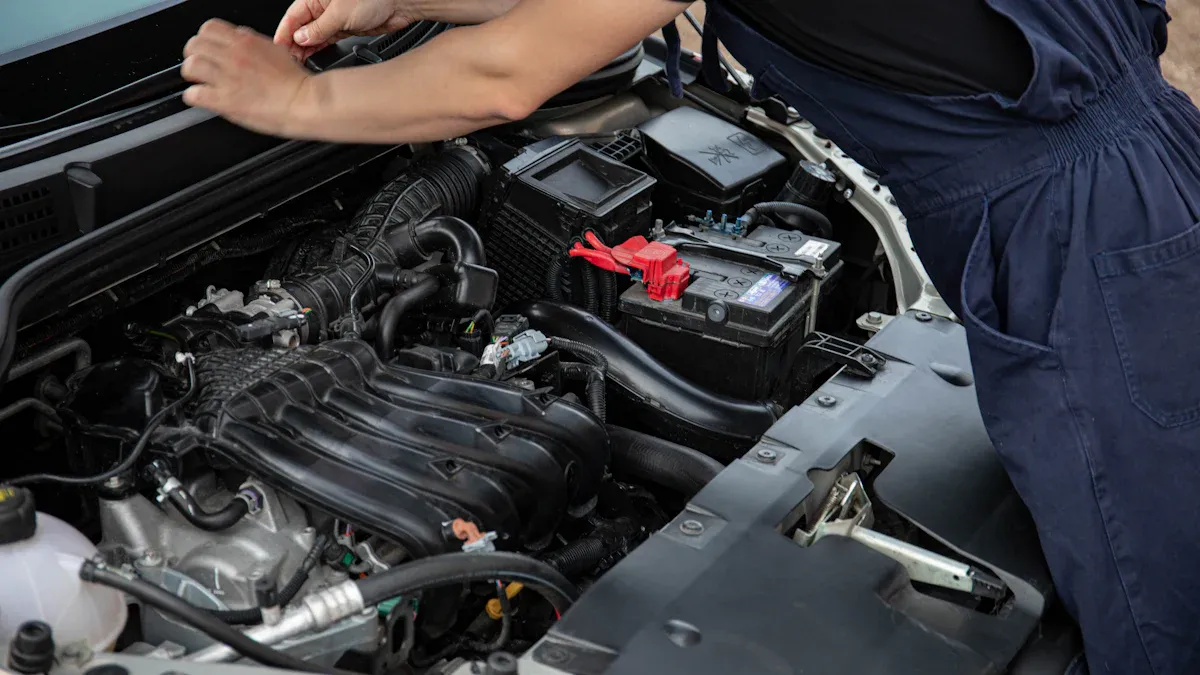
Benefits of Using OBD-II Scanners
OBD-II scanners have revolutionized how you can diagnose vehicle issues. These devices connect directly to your car’s onboard computer, providing instant access to diagnostic trouble codes (DTCs). This technology eliminates guesswork, allowing you to pinpoint problems quickly and accurately.
Using an OBD-II scanner offers several advantages. First, it saves time. Instead of relying on trial-and-error methods, you can identify the issue within minutes. Second, it empowers you to make informed decisions. For example, if the check engine light turns on due to a minor issue like a loose gas cap, you can address it yourself without visiting a mechanic. Lastly, these scanners are cost-effective. Many affordable models are available for personal use, making them an excellent investment for vehicle owners.
Tip: Choose an OBD-II scanner with user-friendly features, such as Bluetooth connectivity or smartphone compatibility, for added convenience.
Smartphone Apps for Vehicle Diagnostics
Smartphone apps have made vehicle diagnostics more accessible than ever. These apps work in tandem with OBD-II scanners, transforming your phone into a powerful diagnostic tool. With just a few taps, you can access real-time data about your car’s performance, including engine temperature, fuel efficiency, and error codes.
One of the biggest benefits of these apps is their simplicity. You don’t need technical expertise to use them. Many apps provide step-by-step instructions and detailed explanations of error codes, helping you understand what’s wrong with your vehicle. Some even offer maintenance reminders, ensuring you stay on top of routine care.
Example: Popular apps like Torque and Car Scanner allow you to monitor your car’s health and reset the check engine light after resolving issues. These tools make diagnostics more convenient and user-friendly.
By using smartphone apps, you can take control of your vehicle’s maintenance. This proactive approach helps you avoid costly repairs and ensures your car remains in excellent condition.
Advanced Tools Used by Mechanics
Mechanics today rely on advanced diagnostic tools to address complex vehicle issues. These tools go beyond basic OBD-II scanners, offering in-depth analyses and real-time data. For instance, modern diagnostic systems can monitor emissions, engine performance, and even battery health in electric vehicles.
The evolution of diagnostic technology has significantly improved accuracy and efficiency. Early OBD systems focused mainly on emissions-related components. Today, advanced tools provide comprehensive insights into various subsystems, enabling mechanics to detect problems early. This early detection reduces repair costs and enhances vehicle safety.
Did you know? Predictive maintenance, powered by advanced diagnostics, identifies potential issues before they escalate. This approach not only saves money but also ensures compliance with stricter emission standards in 2025.
For electric and autonomous vehicles, specialized diagnostic tools play a crucial role. These tools monitor battery performance and critical systems, ensuring optimal functionality and safety. By leveraging these technologies, mechanics can deliver precise and reliable solutions for modern vehicles.
Preventative Maintenance for Vehicle Health
Regular Oil Changes and Filter Replacements
Oil changes and filter replacements are essential for keeping your engine in top condition. Engine oil lubricates moving parts, reduces friction, and prevents overheating. Over time, oil breaks down and loses its effectiveness. Dirty oil can cause sludge buildup, which damages engine components. Replacing the oil regularly ensures your engine runs smoothly and lasts longer.
Filters, such as oil and air filters, play a critical role in maintaining engine health. The oil filter removes contaminants from the oil, while the air filter prevents dirt and debris from entering the engine. A clogged filter reduces efficiency and increases wear on engine parts. By replacing filters during routine maintenance, you protect your engine from unnecessary damage.
Tip: Follow your vehicle’s manual for recommended oil change intervals. Most vehicles require an oil change every 5,000 to 7,500 miles, depending on driving conditions.
Monitoring Fuel Quality and Additives
The quality of fuel you use directly impacts your engine’s performance. Low-quality fuel can leave deposits in the engine, reducing efficiency and causing long-term damage. Using high-quality fuel and additives helps maintain engine cleanliness and improves performance.
Fuel additives, especially detergents, are widely used to keep engines clean. They remove carbon deposits and prevent buildup in fuel injectors and combustion chambers. This ensures optimal performance and better fuel economy. Studies show that using high-quality additives can improve fuel economy by up to 3% and engine performance by up to 5%.
| Benefit | Percentage Improvement |
|---|---|
| Fuel Economy | Up to 3% |
| Engine Performance | Up to 5% |
- Detergents make up over 50% of the fuel additive market.
- They help maintain engine cleanliness, ensuring better performance and efficiency.
Note: Consider using fuel additives recommended by your vehicle manufacturer. They provide an affordable way to enhance engine health and reduce maintenance costs.
Keeping Up with Scheduled Maintenance
Sticking to your vehicle’s scheduled maintenance plan is one of the best ways to prevent engine issues. Regular servicing addresses minor problems before they escalate into costly repairs. It also ensures your vehicle operates efficiently and safely.
Routine maintenance reduces long-term costs by preventing major repairs and improving fuel efficiency. It can also prevent up to 75% of mechanical failures, saving you money and avoiding unexpected breakdowns. Following the original equipment manufacturer (OEM) schedule helps maintain your vehicle’s resale value and keeps warranty protections intact.
- Regular servicing enhances fuel efficiency and prolongs vehicle lifespan.
- Preventative care increases your car’s appeal to future buyers.
- Adhering to OEM schedules ensures warranty coverage and protects resale value.
Tip: Keep a record of all maintenance activities. This helps you track service intervals and provides proof of care when selling your vehicle.
By prioritizing preventative maintenance, you save money, extend your vehicle’s lifespan, and ensure a smoother driving experience. Simple actions like oil changes, using quality fuel, and following service schedules make a significant difference in your car’s performance and reliability.
Addressing Minor Issues Before They Escalate
Small problems in your vehicle can quickly turn into costly repairs if ignored. Addressing these minor issues early ensures your car stays reliable and saves you money in the long run. You don’t need to be a mechanic to spot and resolve some of these problems. Paying attention to warning signs and acting promptly can make a big difference.
Why Small Issues Matter
Minor issues, like a strange noise or a slight drop in performance, often indicate something larger brewing under the hood. For example, a worn-out spark plug might seem insignificant. However, it can lead to engine misfires, reduced fuel efficiency, and even damage to the catalytic converter. By fixing the spark plug early, you avoid these cascading problems.
Tip: Always listen to your car. Unusual sounds, vibrations, or smells often signal that something needs attention.
Common Minor Issues to Watch For
Here are some common small problems that you should never ignore:
- Unusual Noises: Clicking, squealing, or grinding sounds often point to issues with brakes, belts, or bearings.
- Dashboard Warning Lights: Even if the check engine light isn’t flashing, it still requires attention.
- Fluid Leaks: A small puddle under your car could mean a leak in the oil, coolant, or transmission system.
- Tire Wear: Uneven tread wear might indicate alignment or suspension problems.
Each of these issues might seem minor at first. However, they can escalate into expensive repairs if left unchecked.
Steps to Address Minor Problems
Taking action doesn’t always require a trip to the mechanic. You can handle some minor issues yourself:
- Check your vehicle’s manual for guidance on basic maintenance.
- Use an OBD-II scanner to identify error codes.
- Inspect components like the gas cap, tires, and fluid levels regularly.
For more complex issues, schedule a professional inspection. A trained mechanic can identify hidden problems and prevent them from worsening.
Note: Regular maintenance checks help you catch these issues early. Staying proactive keeps your car running smoothly.
The Cost of Neglect
Ignoring minor problems often leads to major expenses. For instance, a small oil leak can cause engine overheating, resulting in thousands of dollars in repairs. By addressing the leak early, you save both time and money. Preventative care always costs less than emergency fixes.
Taking small steps today ensures your vehicle remains dependable tomorrow. Pay attention to the details, and you’ll avoid unnecessary stress and expenses.
The Financial Impact of Ignoring the Engine Light
Real-Life Examples of Costly Repairs
Ignoring the check engine light can lead to financial consequences that far outweigh the cost of early intervention. Many drivers underestimate how quickly minor issues can escalate into costly repairs. For example:
- Replacing a catalytic converter costs an average of $1,304.
- Oxygen sensor replacements average $253.
- Ignition coil and spark plug replacements cost around $398.
- A mass air flow sensor replacement averages $311.
- Fuel injector replacements cost approximately $446.
These figures, reported in the 2024 CarMD Vehicle Health Index, highlight the rising costs of automotive repairs. Parts prices alone have increased by over 7% in recent years. Nearly half of drivers admit to ignoring dashboard warning lights, which often leads to higher repair bills. Addressing the check engine light promptly can save you from these escalating expenses.
Tip: Regular maintenance and early diagnostics help you avoid these costly repairs and keep your vehicle running efficiently.
How Neglecting Small Issues Leads to Bigger Problems
Small problems in your vehicle rarely stay small. Neglecting minor issues often results in severe damage that requires expensive fixes. A worn-out belt or a small oil leak might seem insignificant, but these can lead to engine failure, costing thousands of dollars to repair.
Here are some common examples of how neglect can escalate:
- Ignoring worn brake pads can lead to brake failure.
- Dirty air filters reduce engine performance, causing more costly repairs.
- Low oil levels can result in significant engine damage.
- Unrotated tires wear unevenly, increasing the risk of blowouts.
Even something as simple as a cracked windshield can become a major expense. Repairing a chip costs far less than replacing the entire windshield. Ignoring these small issues not only increases repair costs but also compromises your safety.
Note: Pay attention to warning signs like unusual noises, dashboard lights, or fluid leaks. Addressing these early prevents bigger problems down the road.
Long-Term Effects on Vehicle Lifespan and Resale Value
Neglecting the check engine light doesn’t just affect your wallet today—it impacts your vehicle’s future value. Poor maintenance reduces your car’s lifespan and resale value significantly. Well-maintained vehicles retain up to 30% more of their resale value, while poorly maintained ones lose 10% to 20%.
| Impact of Maintenance on Vehicle Value | Percentage Impact |
|---|---|
| Boost in resale value with good records | 15% to 20% |
| Retention of resale value for well-maintained vehicles | Up to 30% |
| Decrease in resale value for poorly maintained cars | 10% to 20% |
Keeping detailed maintenance records also makes your car more appealing to buyers. A history of timely repairs and preventative care shows that the vehicle has been well cared for. On the other hand, neglecting small issues can lead to major mechanical failures, reducing your car’s reliability and marketability.
Tip: Regular maintenance not only extends your vehicle’s lifespan but also ensures you get the best return when it’s time to sell.
Ignoring the check engine light may seem like a way to save money in the short term, but it often leads to costly repairs, reduced vehicle lifespan, and lower resale value. Taking action early protects your investment and keeps your car running smoothly for years to come.
Why Addressing the Check Engine Light is Crucial in 2025
Stricter Emission Standards and Regulations
In 2025, emission standards have become more stringent than ever. Governments worldwide are enforcing stricter regulations to combat climate change and reduce air pollution. These regulations directly impact your vehicle’s maintenance requirements. A malfunctioning component, such as a catalytic converter, can cause your car to emit harmful gases. Ignoring the check engine light could lead to non-compliance with these standards, resulting in fines or penalties.
For example, the European Union’s 2025 CO2 reduction targets have placed significant pressure on automakers and vehicle owners alike. These targets demand better fuel efficiency and lower emissions, which means your car must operate at peak performance. Addressing the warning light promptly ensures your vehicle remains compliant with these regulations. Regular maintenance not only helps you avoid penalties but also reduces your car’s environmental footprint.
Tip: Staying proactive with vehicle diagnostics and repairs keeps you ahead of regulatory requirements and helps protect the environment.
Rising Costs of Vehicle Repairs
The cost of vehicle repairs has been steadily rising, and 2025 is no exception. Industry reports highlight that increased parts costs and compliance needs are driving up repair expenses. For instance, the average cost of replacing a catalytic converter has surpassed $1,300. Ignoring minor issues can lead to major repairs, further straining your budget.
| Report Title | Key Insights |
|---|---|
| Trends and challenges shaping the automotive industry in 2025 | Highlights the pressure on OEMs due to EU’s 2025 CO2 reduction targets, impacting vehicle repair costs through increased parts costs and compliance needs. |
| Nearly half of drivers have a warning light on, check engine-related repair costs up | Reports a rise in repair costs related to check engine lights, attributed to increased parts costs across the U.S. |
By addressing the check engine light early, you can avoid these escalating costs. Routine maintenance and timely diagnostics help you catch small problems before they become expensive repairs. This approach not only saves money but also extends your vehicle’s lifespan.
Advancements in Vehicle Technology and Diagnostics
Modern vehicles are equipped with advanced technology that simplifies diagnostics and maintenance. In 2025, tools like augmented reality (AR) and telematics systems have revolutionized how you can monitor and maintain your car. These innovations provide real-time data about your vehicle’s performance, making it easier to identify and address issues.
- Augmented reality enhances the diagnostic process by providing visual guides for repairs.
- Telematics systems collect and analyze data to detect performance trends.
- Real-time data analysis offers valuable insights into potential problems.
| Benefit | Description |
|---|---|
| Cost Efficiency | Predictive maintenance reduces repair costs by identifying issues before they escalate. |
| Enhanced Safety | Early detection of potential problems improves vehicle safety and minimizes accident risks. |
| Environmental Impact | Efficient maintenance leads to better fuel efficiency and compliance with emission standards. |
These advancements empower you to take control of your vehicle’s health. For example, predictive maintenance uses artificial intelligence to identify potential issues before they occur. This proactive approach not only saves money but also ensures your car remains safe and efficient. By leveraging these technologies, you can address the check engine light with confidence and precision.
Note: Investing in modern diagnostic tools and staying informed about technological trends can help you maintain your vehicle more effectively.
Ignoring the check engine light can lead to costly repairs, reduced fuel efficiency, and safety risks. Delayed maintenance increases repair expenses and shortens your vehicle’s lifespan. Poorly maintained cars are 25% more likely to break down, posing serious safety concerns.
- Regular maintenance improves fuel economy by up to 20%.
- Predictive care saves money by identifying issues early.
- Well-maintained vehicles can last over 200,000 miles.
| Benefit | Description |
|---|---|
| Cost Savings | Prevents expensive repairs by addressing minor issues early. |
| Safety Improvement | Reduces breakdown risks, ensuring safer driving conditions. |
| Longevity | Extends vehicle lifespan, reducing the need for frequent replacements. |
Taking action promptly ensures your car remains efficient, safe, and reliable while saving you thousands in the long run.
FAQ
What does it mean if the check engine light is flashing?
A flashing check engine light signals a severe issue, such as a misfire that could damage the catalytic converter. Stop driving immediately and seek professional assistance. Ignoring it can lead to costly repairs or engine failure.
Can I drive with the check engine light on?
You can drive short distances if the light is steady, but avoid prolonged trips. A flashing light means you should stop driving immediately. Always address the issue promptly to prevent further damage or safety risks.
How much does it cost to fix a check engine light issue?
Repair costs vary depending on the problem. Minor fixes, like replacing a gas cap, cost under $50. Major repairs, such as a catalytic converter replacement, can exceed $1,300. Early diagnostics save money by addressing issues before they escalate.
Do I need a mechanic to diagnose the check engine light?
Not always. You can use an OBD-II scanner to identify error codes and determine the issue. However, for complex problems or if you’re unsure, consult a certified mechanic for accurate diagnostics and repairs.
Will the check engine light turn off by itself?
The light may turn off after resolving minor issues, like tightening the gas cap. However, for most problems, you’ll need to reset it using an OBD-II scanner or after professional repairs. If it stays on, further inspection is necessary.
Can ignoring the check engine light void my warranty?
Yes, neglecting maintenance or ignoring the check engine light can void your vehicle’s warranty. Manufacturers require regular servicing and prompt attention to warning lights to maintain warranty coverage. Always follow the recommended maintenance schedule.
How often should I check my vehicle for potential issues?
Inspect your vehicle monthly for visible issues like fluid leaks or worn tires. Use an OBD-II scanner periodically to monitor error codes. Follow your car’s maintenance schedule for professional inspections and servicing.
Are there apps to help me monitor the check engine light?
Yes, apps like Torque and Car Scanner work with OBD-II scanners to provide real-time diagnostics. These apps explain error codes, track performance, and even reset the check engine light after repairs. They simplify vehicle maintenance for everyday drivers.