


How to Protect Your Car’s Paint from Sun Damage


Your car’s paint isn’t just about looks—it’s a shield that protects the body from wear and tear. But did you know that prolonged sun exposure can cut its lifespan in half? Harmful UV rays weaken the paint, causing it to fade, crack, or even peel. Over time, this damage can lower your car’s resale value by up to 20%. Research also shows that UV radiation accounts for 60% of paint damage during a car’s life. Taking steps to protect your car’s paint now can save you money and keep your ride looking sharp for years.












Key Takeaways
- Park in shaded areas to lower sun damage by 40% in five years.
- Use garages or covered parking to protect from sun and weather.
- Avoid long sun exposure to stop paint from fading or cracking.
- Wax your car every three months to block harmful UV rays.
- Try paint sealants or ceramic coatings for stronger, lasting protection.
- Get a UV-resistant car cover if parking outside to protect it.
- Wash your car often to clean off dirt that harms the paint.
- Fix paint damage quickly to stop it from getting worse and keep value.
Park Smart to Protect Your Car’s Paint
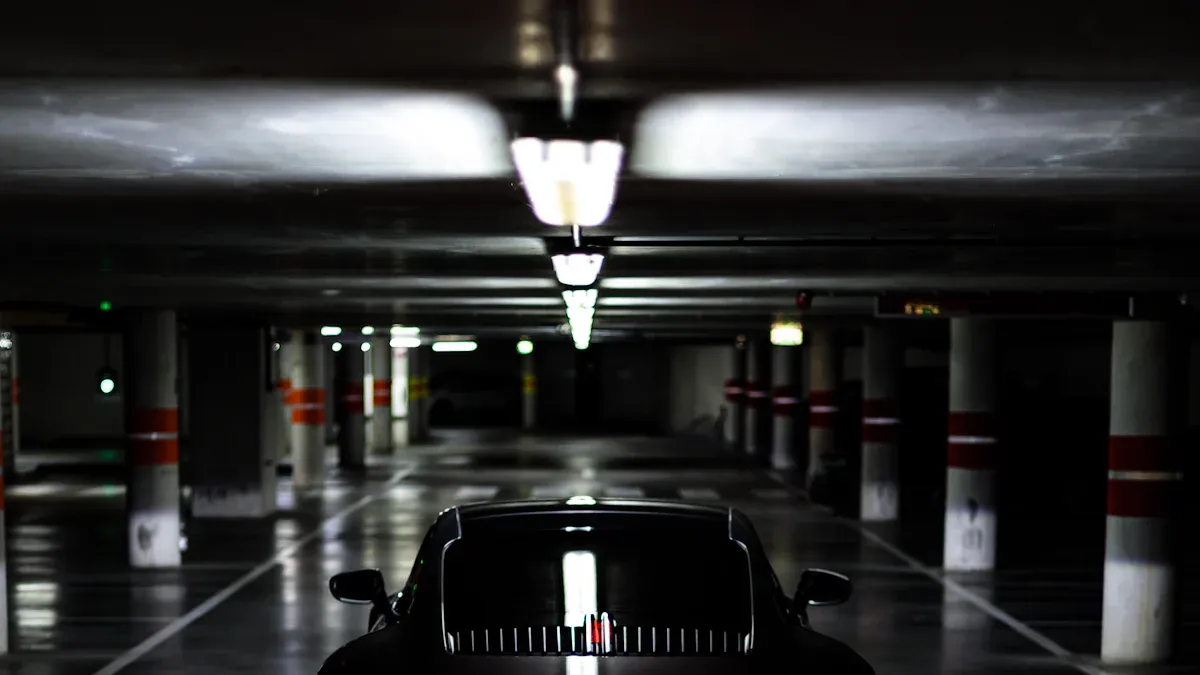
Choose Shaded Parking Spots
Parking in the shade is one of the easiest ways to protect your car’s paint from sun damage. Trees, buildings, or even large structures can provide the cover your car needs to avoid harmful UV rays. Research shows that cars parked in shaded areas experience 40% less UV damage over five years compared to those left in direct sunlight. That’s a significant difference! By simply choosing a shaded spot, you can reduce the risk of fading, cracking, or peeling paint.
If you’re worried about bird droppings or tree sap in shaded areas, consider using a car cover for added protection. It’s a small step that can go a long way in keeping your car’s paint looking fresh and vibrant.
Use Covered Parking or Garages
Whenever possible, park your car in a covered space or garage. These options provide the best protection against the sun’s harsh rays. Studies confirm that cars parked in covered areas are far less likely to experience paint fading and oxidation caused by UV exposure. Garages, in particular, offer a controlled environment that shields your car from not just sunlight but also other weather elements like rain and hail.
If you don’t have access to a garage, look for parking structures or carports. Even a simple canopy can make a big difference. Remember, minimizing direct sunlight exposure is key to preserving your car’s paint and maintaining its glossy finish.
Avoid Prolonged Sun Exposure
Leaving your car under the sun for extended periods can cause serious damage to its paint. Prolonged exposure leads to UV degradation, which fades the color and strips away the glossy appearance. A 2021 study found that darker-colored vehicles are especially vulnerable to this type of damage in areas with high UV indexes.
To avoid these issues, plan your parking wisely. If you know you’ll be out for a while, scout for shaded or covered spots ahead of time. Even short-term exposure can add up over the years, so it’s worth taking a few extra minutes to park smart. Your car—and its paint—will thank you for it.
Tip: If shaded or covered parking isn’t available, consider using a UV-resistant car cover. It’s a portable and effective way to protect your car’s paint from the sun.
Use Protective Products to Safeguard Your Car’s Paint
Apply Car Wax Regularly
Waxing your car isn’t just about making it shine—it’s one of the simplest ways to protect your car’s paint from sun damage. A good-quality car wax acts like sunscreen for your vehicle, creating a barrier that reflects harmful UV rays. This protective layer helps prevent fading, cracking, and peeling caused by prolonged sun exposure.
You don’t need to wax your car every week, but doing it every three months can make a big difference. Look for waxes with UV protection for the best results. Applying wax may take a little time, but it’s worth it. You’ll not only keep your car looking great but also extend the life of its paint.
Tip: Use a microfiber cloth to apply and buff the wax. It’s gentle on the paint and ensures an even finish.
Use Paint Sealants or Ceramic Coatings
If you’re looking for long-term protection, consider using paint sealants or ceramic coatings. These products go beyond what wax can do, offering a durable shield against UV rays, oxidation, and environmental contaminants. Ceramic coatings, in particular, are a game-changer. They can last anywhere from 2 to 5 years, depending on the quality and how well you maintain them.
- Ceramic coatings reduce cleaning time by repelling dirt and grime.
- They protect against bird droppings, tree sap, and other harmful elements.
- They maintain your car’s glossy finish while safeguarding the paint from UV damage.
While the initial cost of ceramic coatings might seem high, they save you money in the long run by reducing maintenance needs and preserving your car’s value. Paint sealants are another great option if you want something less permanent but still effective. They’re easier to apply and can last up to six months.
Invest in UV-Resistant Car Covers
A UV-resistant car cover is a must-have if you don’t have access to shaded parking or a garage. These covers act as a physical barrier, shielding your car from harmful UV rays, dust, and other elements. High-quality covers are lightweight, easy to use, and can be stored compactly when not in use.
- They’re especially useful for people who park outdoors regularly.
- They protect your car’s paint from fading and cracking caused by sun exposure.
Using a car cover is one of the easiest ways to protect your car’s paint without breaking the bank. It’s a small investment that pays off by keeping your car looking newer for longer.
Note: Make sure to choose a cover that fits your car snugly. A loose cover can rub against the paint and cause scratches.
Maintain Your Car’s Paint with Regular Care
Wash Your Car Frequently
Washing your car regularly is one of the simplest ways to keep its paint looking fresh. Dirt, grime, and road salt don’t just make your car look dirty—they can actually damage the paint over time. When left unchecked, these contaminants can eat away at the protective layers, leading to fading or even rust.
- Regular washing removes harmful debris before it has a chance to cause damage.
- Using car-specific cleaning products ensures you don’t accidentally harm the paint.
- Experts recommend washing your car at least once every two weeks, or more often if you live in an area with harsh weather or lots of road salt.
Think of it this way: every wash is like giving your car a fresh start. It’s a small effort that goes a long way in helping you protect your car’s paint.
Tip: Avoid washing your car under direct sunlight. The heat can cause water spots and make it harder to rinse off soap properly.
Use Sun-Safe Cleaning Products
Not all cleaning products are created equal. Some contain harsh chemicals that can strip away the protective layers on your car’s paint. To keep your car safe, always choose sun-safe cleaning products designed specifically for vehicles. These products are gentle on the paint and often include UV protection to shield against sun damage.
When shopping for cleaning supplies, look for labels that mention UV blockers or sun protection. These products act like sunscreen for your car, adding an extra layer of defense against harmful rays.
Note: Avoid using household detergents like dish soap. They’re too abrasive and can dull your car’s finish over time. Stick to products made for automotive use to maintain that glossy shine.
Inspect and Repair Paint Damage Early
Small chips or scratches might not seem like a big deal, but they can quickly turn into larger problems if ignored. Exposed areas of paint are more vulnerable to UV rays, moisture, and dirt, which can lead to further deterioration.
Make it a habit to inspect your car’s paint regularly. Look for any signs of damage, no matter how minor. If you spot a scratch or chip, address it as soon as possible. You can use touch-up paint for small areas or consult a professional for larger repairs.
By catching and fixing issues early, you’ll save yourself from costly repairs down the road. Plus, your car will look better and retain its value longer.
Pro Tip: Keep a small bottle of touch-up paint in your car. It’s a quick and easy way to handle minor scratches before they get worse.
Taking care of your car’s paint doesn’t have to be complicated. With regular washing, the right cleaning products, and timely repairs, you can protect your car’s paint and keep it looking like new for years to come.
Additional Tips for Long-Term Paint Protection
Consider Window Tinting
Window tinting isn’t just about keeping your car cool—it’s a smart way to protect its paint and interior. Tinted windows block up to 99% of harmful UV rays, which can cause fading and cracking over time. By reducing UV exposure, you’re not only preserving your car’s paint but also extending the life of its upholstery and dashboard.
Properly applied window tints can also cut material fading by as much as 80%. That means fewer repairs and a longer-lasting aesthetic appeal. Plus, tinted windows give your car a sleek look that’s hard to ignore.
Tip: Check your local regulations before applying window tints. Some areas have restrictions on how dark the tint can be.
Keep Your Car Cool
Heat doesn’t just affect your car’s interior—it can also damage its paint. High temperatures can cause the paint to expand and contract, leading to cracks and peeling. Keeping your car cool is an easy way to prevent this.
Use sunshades or reflective materials to block sunlight from entering your car. These simple tools can significantly reduce heat buildup inside the vehicle. Managing the interior temperature also minimizes fading and cracking of materials like leather and plastic.
- Sunshades protect both the interior and exterior of your car.
- Reflective materials help maintain a lower temperature, reducing the risk of paint deterioration.
Pro Tip: Park in shaded areas whenever possible. It’s a quick way to keep your car cool and protect its paint from heat damage.
Plan for Seasonal Changes
Every season brings unique challenges for your car’s paint. Planning ahead can save you from costly repairs and keep your car looking great year-round.
- Spring: Wash your car regularly to remove pollen, which can damage paint if left too long.
- Summer: Apply protective wax to shield against UV rays and rain.
- Fall: Inspect for rust caused by moisture and falling leaves.
- Winter: Use car-specific shampoo to prevent stripping of wax layers and protect against road salt.
Seasonal changes like acid rain, UV rays, and winter salt can wreak havoc on your car’s paint. Regular washing and waxing are essential for keeping it safe. By addressing these issues proactively, you’ll maintain your car’s appearance and value for years to come.
Note: Don’t forget to check for rust during colder months. Catching it early can prevent further damage and save you money.
Protecting your car’s paint from sun damage isn’t just about looks—it’s about preserving its value and longevity. Preventive measures like regular waxing, using UV-resistant covers, and parking smart can make a big difference. For instance, cars with paint protection film (PPF) can increase resale value by up to $2,000 on a $20,000 car.
| Benefit | Statistic |
|---|---|
| Resale Value Increase | Up to 15% more at resale |
| Value Increase with PPF | Up to $2,000 on a $20,000 car |
| Value Increase after 3 years | 10-15% increase |
Take action today to protect your car’s paint and keep it looking its best for years to come.
FAQ
How often should I wax my car to protect the paint?
You should wax your car every three months. This creates a protective barrier against UV rays and environmental damage. If you live in a sunny or harsh climate, consider waxing more frequently for added protection.
Can I use household cleaning products to wash my car?
No, avoid household cleaners like dish soap. These can strip away protective layers and damage the paint. Use car-specific cleaning products designed to be gentle on your vehicle’s finish while offering UV protection.
What’s the difference between car wax and ceramic coating?
Car wax offers short-term protection, lasting about three months. Ceramic coatings provide long-term defense, lasting 2–5 years. They repel dirt, block UV rays, and maintain a glossy finish. While wax is easier to apply, ceramic coatings require professional installation.
Are UV-resistant car covers worth it?
Absolutely! UV-resistant car covers shield your car from harmful rays, dust, and debris. They’re especially useful if you park outdoors often. A high-quality cover can prevent fading, cracking, and other sun-related damage.
Does window tinting really help protect my car’s paint?
Yes, window tinting blocks up to 99% of UV rays. While it primarily protects your car’s interior, it also reduces overall UV exposure, indirectly helping preserve your car’s paint and finish.
How can I tell if my car’s paint is damaged by the sun?
Look for signs like fading, discoloration, or a dull finish. Cracks or peeling paint are also indicators of sun damage. Regularly inspecting your car’s surface can help you catch these issues early.
Is parking in the shade enough to protect my car’s paint?
Parking in the shade helps, but it’s not enough. UV rays can still reflect off surfaces and reach your car. Combine shaded parking with protective measures like waxing, ceramic coatings, or a UV-resistant car cover for the best results.
Can I repair sun damage to my car’s paint?
Yes, minor damage like fading can often be fixed with polishing or waxing. For severe issues like peeling or cracking, you’ll need professional help. Addressing damage early prevents it from worsening.
Tip: Regular maintenance is key to avoiding costly repairs later.



Great tips on keeping car paint in top condition! I’ve found that washing your car regularly not only helps with paint longevity but also gives you a chance to catch any damage early.
I’ve been noticing my car’s paint starting to fade after a few years, and I had no idea UV rays were responsible for most of the damage. The advice about waxing regularly seems like an easy way to help protect it. Thanks for sharing these tips!
It’s so easy to forget how much the sun can affect your car’s paint, especially with how quickly things like fading and cracking happen. I hadn’t thought about parking in shaded areas as a simple way to cut damage by 40%. That’s definitely something I’ll start paying more attention to!
Great breakdown of how sun exposure can damage a car’s paint! One tip I’ve found useful is combining regular waxing with a ceramic coating for extra UV protection—especially in hotter climates where the sun is relentless. Have you come across any research on how different paint colors hold up against UV rays over time?
It’s crazy how much of a difference UV damage can make to a car’s paint over time. I’ve noticed my car’s color looking a bit off, so I’ll definitely start parking in the shade more and invest in a cover for when I’m outside.
Protecting your car’s paint seems like a lot of work, but I never thought about how much damage the sun can cause in the long run. I might try to invest in a UV-resistant cover next time I park outdoors for long periods!