How to Prevent Rust on Your Car (Especially in Rainy Climates)



Rust can sneak up on your car faster than you think, especially if you live in a rainy or humid area. To prevent rust, it’s important to understand that when water and oxygen meet the metal parts of your vehicle, they create iron oxide—better known as rust. Add salt from winter roads or seaside air, and the process speeds up even more. This corrosion doesn’t just look bad; it can weaken your car’s structure over time. Regular washing and drying are your first line of defense to prevent rust. They remove dirt, salt, and moisture that trigger rust. Pair that with protective coatings, and you’ll keep your vehicle looking great while avoiding costly maintenance.












Key Takeaways
- Wash and dry your car often to remove dirt and salt.
- Use wax or ceramic coatings to protect your car from rust.
- Check areas like the undercarriage and wheel wells for rust early.
- Don’t park in wet spots or puddles to avoid rust.
- Apply rust blockers to keep moisture and salt off the metal.
- Fix paint chips and scratches fast to stop rust from forming.
- Think about getting professional rustproofing for long-lasting protection.
- Take care of your car to avoid expensive repairs and keep it lasting longer.
Why Rust Forms on Cars
The Science of Rust
How water and oxygen cause rust.
Rust forms when water and oxygen interact with the metal on your car. This process, known as oxidation, creates iron oxide, which you recognize as rust. But why does this happen? Water acts as an electrolyte, allowing electrical charges to flow and kickstart the chemical reaction. When oxygen combines with the iron in your car’s metal, it produces that reddish-brown compound we all dread.
Here’s the thing: this reaction doesn’t need much to get started. Even a small amount of water can trigger rust growth. Over time, this corrosion eats away at the metal, weakening your car’s structure. If left unchecked, it can spread quickly, turning minor surface damage into a major problem.
The role of salt in speeding up rust formation.
Salt is a game-changer when it comes to rust. It doesn’t cause rust directly, but it accelerates the process. How? Salt dissolves in water, creating a solution that conducts electricity more effectively. This speeds up the oxidation process, making rust form faster.
If you live in an area where road salt is used during winter or near the ocean where salt water is common, your car faces an even higher risk of rusting. Salt clings to your car’s surface, especially in hard-to-reach areas like the undercarriage. Without regular cleaning, it can sit there for weeks, quietly encouraging rust to form.
Rainy Climates and Rust Risks
Increased moisture and humidity exposure.
Rainy weather brings constant exposure to moisture, which increases the risk of rusting. High humidity levels in the air mean your car is rarely dry, even when it’s not raining. This creates the perfect environment for rust to thrive. Water droplets settle on your car’s surface, and if they’re not wiped away, they can seep into tiny cracks or scratches in the paint. Once water reaches the metal underneath, the oxidation process begins.
In rainy climates, the combination of moisture and environmental factors like salt makes corrosion almost inevitable without proper care. Regular maintenance becomes essential to prevent rust formation.
How rain, puddles, and wet roads contribute to rust.
Driving in rainy weather exposes your car to more than just water. Puddles and wet roads splash water onto your car’s undercarriage, where it’s harder to clean and dry. If that water contains road salt, the risk of rusting increases dramatically. Even after the rain stops, the moisture trapped in these hidden areas can linger for days, giving rust plenty of time to develop.
Parking your car in wet conditions also adds to the problem. When water pools around your tires or under your car, it creates a damp environment that encourages rust growth. To protect your car, avoid standing water and dry it thoroughly after exposure to rain.
How to Prevent Rust and Protect Your Car
Regular Washing and Drying
Removing dirt, salt, and moisture to prevent rust.
Regular washing is one of the simplest yet most effective ways to prevent rust on your vehicle. Dirt, road salt, and moisture are the main culprits behind rust formation. When left on your car’s surface, these contaminants create the perfect environment for corrosion. Washing your vehicle removes these harmful elements before they can cause damage. It’s especially important if you live in areas with salty roads or near the ocean, where salt exposure is higher.
Tip: Make washing your car a habit, especially after driving in wet or snowy conditions. This keeps your vehicle clean and rust-free.
Tips for thoroughly drying your car after washing.
Drying your car is just as important as washing it. Water left on the surface can seep into small cracks or scratches, leading to rust over time. Use a microfiber towel or a soft chamois to dry your car completely. Pay extra attention to hidden areas like the undercarriage, wheel wells, and door seals, where moisture tends to linger.
If you have access to compressed air, use it to blow out water from hard-to-reach spots. This ensures no moisture is left behind, reducing the risk of rust.
Applying Protective Coatings
Benefits of wax and ceramic coatings for rust prevention.
Protective coatings like wax and ceramic coatings act as a shield for your car. They create a barrier that seals out oxygen, water, and other environmental elements, which are the main triggers for rust. Research shows that ceramic coatings can reduce rust formation by up to 75% over a year. These coatings also repel water and withstand extreme temperatures, making them ideal for long-term rust prevention.
Wax, on the other hand, is a more affordable option. While it doesn’t last as long as ceramic coatings, it still provides a protective layer that helps keep your car safe from rust.
How to apply coatings effectively.
Applying protective coatings is easier than you might think. For wax, start by washing and drying your car thoroughly. Then, use a clean applicator pad to spread the wax in small, circular motions. Let it dry for a few minutes before buffing it off with a microfiber cloth. Repeat this process every few months for the best results.
Ceramic coatings require a bit more effort. You’ll need to clean and polish your car first to ensure the surface is smooth. Then, apply the coating evenly using an applicator pad. Follow the manufacturer’s instructions for curing time, as this step is crucial for the coating to bond properly.
Using Rust Inhibitors
What rust inhibitors are and how they protect your car.
Rust inhibitors are specialized products designed to stop rust before it starts. They work by creating a durable shield that blocks moisture and salt from reaching your car’s metal surfaces. These inhibitors are especially useful for protecting vulnerable areas like the undercarriage, wheel wells, and door edges.
Some rust inhibitors come in the form of sprays, while others are oil-based treatments. Both options are effective, but they need to be reapplied regularly to maintain their protective qualities.
Recommended rust prevention products.
When choosing a rust inhibitor, look for products that are proven to work. Dripless oil sprays are a popular choice because they repel water and provide long-lasting protection. Tar-based sprays, introduced in the 1950s, are another option. They create a thick barrier against rust but require yearly inspections to ensure moisture hasn’t seeped through.
For advanced protection, consider graphene coatings or electrochemical treatments. Graphene coatings offer superior durability and water-repelling properties, while electrochemical treatments remove rust at a microscopic level without damaging the surrounding metal.
Note: Always follow the application instructions provided with the product to ensure maximum effectiveness.
Avoiding Prolonged Water Exposure
Parking in covered or dry areas
Where you park your car plays a big role in keeping rust at bay. Rainy climates mean your car is often exposed to water, which can sneak into cracks and crevices. Parking in a covered or dry area helps prevent this. A garage is your best option. It keeps your car safe from rain, puddles, and even morning dew. If you don’t have access to a garage, look for a carport or a parking spot with some kind of overhead protection. Even a simple awning can make a difference.
If covered parking isn’t available, consider using a car cover. A high-quality, waterproof car cover acts as a shield, keeping water off your car’s surface. It’s especially useful if you park outside overnight. Just make sure the cover fits snugly and is designed for your car’s make and model. A loose or poorly fitted cover can trap moisture, which defeats the purpose.
Tip: Before putting on a car cover, ensure your car is completely dry. Trapping moisture under the cover can lead to rust instead of preventing it.
Tips for avoiding standing water and puddles
Standing water is one of rust’s best friends. Driving through puddles might seem harmless, but it splashes water onto your car’s undercarriage, where it’s hard to clean and dry. Over time, this trapped water can lead to rust. To protect your car, avoid puddles whenever possible. Slow down when driving on wet roads to minimize splashing. If you can, choose routes with better drainage after heavy rain.
When parking, avoid spots where water tends to pool. Look for higher ground or areas with good drainage. Even small puddles around your tires can create a damp environment that encourages rust. If you accidentally drive through standing water, take the time to rinse and dry your car’s undercarriage. This simple step can go a long way in preventing rust.
Note: If you live in a rainy area, consider installing splash guards or mud flaps. These accessories reduce the amount of water and debris that gets kicked up onto your car.
By being mindful of where and how you park, as well as avoiding standing water, you can protect your car and prevent rust from forming. Small changes in your routine can make a big difference in keeping your vehicle in top shape.
Maintenance Tips to Prevent Rust
Inspecting for Early Signs of Rust
Common areas to check for rust (e.g., undercarriage, wheel wells)
Rust loves to hide in places you might not think to check. The undercarriage and wheel wells are two of the most vulnerable spots on your vehicle. These areas constantly face exposure to road grime, salt, and water, making them prime targets for corrosion. You might notice bubbling paint or reddish-brown stains—these are clear signs that rust is starting to form.
Make it a habit to inspect these spots regularly. A quick look under your car or around the wheel wells can save you from bigger problems later. Don’t forget to check door edges, the trunk, and even under the hood. Rust can sneak into any spot where moisture lingers.
Tip: Regular inspections not only prevent rust but also help you catch other issues early, like worn parts or leaks, which can save you money in the long run.
How to address rust before it spreads
If you spot rust, don’t panic. Addressing it early can stop it from spreading. Start by cleaning the affected area with soap and water, then dry it thoroughly. Use sandpaper to remove the rusted layer, and apply a rust converter to neutralize any remaining corrosion. Once the area is smooth, cover it with primer and touch-up paint to seal it off from moisture.
Note: Early treatment of rust not only protects your car but also extends its lifespan and keeps repair costs low.
Repairing Paint Chips and Scratches
Why exposed metal is vulnerable to rust
Paint isn’t just for looks—it’s your vehicle’s first line of defense against rust. When paint chips or scratches expose the metal underneath, moisture and air can quickly cause corrosion. Even small chips can lead to big problems if ignored. That’s why it’s crucial to repair them as soon as possible.
Steps to touch up paint and protect your car
Fixing paint damage is easier than you might think. First, clean the area with soap and water, then dry it completely. Use a fine-grit sandpaper to smooth out the edges of the chip or scratch. Apply a thin layer of primer and let it dry. Next, use touch-up paint that matches your car’s color. Apply it in thin layers, allowing each coat to dry before adding the next. Finish with a clear coat to seal the repair and protect your car from future damage.
Tip: Keep a small bottle of touch-up paint handy for quick fixes. It’s a simple way to prevent rust and maintain your vehicle’s appearance.
Keeping Your Car Dry
Using dehumidifiers or moisture absorbers in garages
Moisture is rust’s best friend, so keeping your car dry is essential. If you store your vehicle in a garage, consider using a dehumidifier or moisture absorbers. These tools reduce humidity levels, creating a dry environment that prevents rust from forming. They’re especially useful in damp or rainy climates where moisture tends to linger.
Tip: Place moisture absorbers near the corners of your garage or under your car for maximum effectiveness.
Tips for drying your car after rain or washing
Drying your car thoroughly after rain or washing is one of the simplest ways to prevent rust. Use a microfiber towel to wipe down the surface, paying extra attention to hidden areas like the undercarriage, wheel wells, and door seals. Compressed air can help remove water from hard-to-reach spots. If you don’t have access to compressed air, a leaf blower works just as well.
Note: Never let water sit on your car’s surface. Even small droplets can lead to rust over time.
By inspecting for rust, repairing paint damage, and keeping your vehicle dry, you can protect your car and avoid costly repairs. These simple maintenance steps go a long way in keeping rust at bay.
Advanced Solutions to Protect Your Car from Rust
Professional Rustproofing Services
What rustproofing involves and its benefits.
Rustproofing is one of the most effective ways to protect your vehicle from rust. It involves applying specialized coatings or sprays to vulnerable areas, such as the undercarriage, wheel wells, and door edges. These treatments create a physical barrier that blocks water, salt, and dirt from reaching the metal. Some products even contain corrosion inhibitors that neutralize the chemical reactions responsible for rust formation.
Why should you consider rustproofing? It’s a proactive solution that prevents rust before it starts. By shielding your car from moisture and road salt, rustproofing extends its lifespan and maintains its structural integrity. For example:
- Underbody rustproofing protects your vehicle from moisture and dirt, especially in rainy or snowy climates.
- Advanced products penetrate microscopic pores in the metal, ensuring comprehensive coverage.
- Regular maintenance, like reapplying coatings, keeps rustproofing effective year-round.
| Key Aspect | Description |
|---|---|
| Purpose | Prevents corrosion by applying specialized coatings and treatments. |
| Chemical Composition | Contains inhibitors that stop chemical reactions causing rust. |
| Barrier Protection Mechanism | Forms a shield against water and salt, which catalyze corrosion. |
| Penetration Capability | Covers microscopic pores for thorough protection. |
How to choose a reliable service provider.
Choosing the right rustproofing service is crucial. Look for providers with a proven track record and positive customer reviews. Ask about the products they use—tar-based sprays offer long-term protection but require yearly inspections, while oil-based sprays need annual reapplication. A reliable provider will explain the process, recommend the best treatment for your car, and ensure proper application.
Tip: Schedule rustproofing before winter or during dry months for the best results. This ensures the coating adheres properly and provides maximum protection.
Dustless Blasting for Rust Removal
How this method works to remove rust.
Dustless blasting is a cutting-edge technique that combines water and abrasive materials to remove rust and other contaminants from your car’s surface. The water reduces friction and heat, preventing damage to the metal. This method not only removes rust but also prepares the surface for further treatments, like painting or applying rust inhibitors. It’s an eco-friendly option that minimizes dust and debris, making it safer for both you and the environment.
When to consider this option for your car.
You should consider dustless blasting if your car already has rust that needs to be removed. It’s especially useful for severe rust or when you’re restoring an older vehicle. This method is also ideal if you plan to repaint your car or apply protective coatings, as it leaves the surface clean and smooth. While it’s more expensive than traditional methods, the results are worth it for long-term rust prevention.
Specialized Rust Prevention Products
Examples of high-quality rust prevention sprays.
Specialized rust prevention sprays are another excellent way to protect your car. Here are some popular options:
- Tar-Based Sprays: These sprays create a durable barrier against rust and corrosion. They’re ideal for the undercarriage but require yearly inspections to ensure moisture hasn’t seeped through.
- Oil-Based Products: Dripless oil sprays cover more surface area and repel moisture effectively. However, they need to be reapplied annually for consistent protection.
- Noxudol: This product contains corrosion inhibitors that neutralize rust-causing reactions, preserving your car’s metal.
How to apply these products for maximum protection.
Applying rust prevention sprays is straightforward. Start by cleaning and drying your car thoroughly. Focus on vulnerable areas like the undercarriage, wheel wells, and door edges. Follow the manufacturer’s instructions for application, ensuring even coverage. For tar-based sprays, check for cracks or gaps during yearly inspections. Oil-based sprays should be reapplied annually to maintain their effectiveness.
Note: Always wear protective gear, like gloves and a mask, when applying rust prevention sprays. This ensures your safety while handling chemical products.
By exploring these advanced solutions, you can protect your car from rust and keep it in excellent condition for years to come. Whether you choose professional rustproofing, dustless blasting, or specialized sprays, these methods offer reliable and long-lasting protection.
The Cost of Ignoring Rust
Long-Term Damage to Your Car
Structural issues caused by rust.
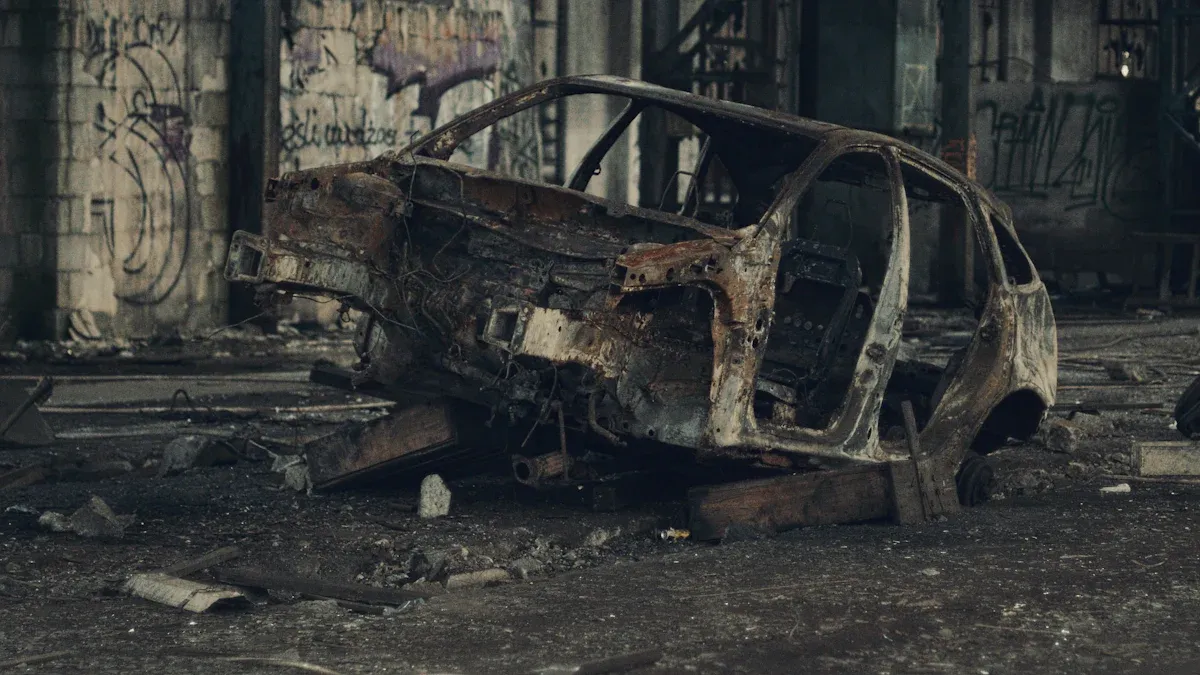
Rust doesn’t just make your car look bad—it can also weaken its structure. Over time, rust eats away at the metal, compromising critical components like the frame, suspension, and undercarriage. This can lead to serious safety concerns. Imagine driving a car with a rusted frame that can’t support its weight properly. It’s not just dangerous for you but also for others on the road.
To understand the broader impact, take a look at this table:
| Aspect | Impact |
|---|---|
| Collector Appeal | Rust diminishes collector appeal, making vehicles less desirable. |
| Market Value | Significant rust can lower market value, deterring potential buyers. |
| Structural Integrity | Compromised frame due to rust raises safety concerns and repair costs. |
| Historical Integrity | Damage to rare parts reduces the vehicle’s historical value. |
As you can see, rust doesn’t just affect the car’s safety—it also impacts its value and appeal.
How rust reduces your car’s resale value.
Rust can scare off potential buyers. When someone sees visible rust on a car, they often assume there’s hidden damage too. This perception can drastically lower your car’s resale value. For vintage or collector cars, rust can be even more devastating. It reduces their historical integrity and makes them less desirable to enthusiasts.
Here’s why this happens:
- Rust diminishes a vehicle’s aesthetic appeal and structural integrity, particularly in vintage cars.
- Visible rust signals neglect, making buyers wary of hidden issues.
- Structural damage from rust can lead to costly repairs, further reducing resale value.
If you plan to sell your car, addressing rust early can make a big difference. Professional repairs can restore its value and reassure buyers that it’s in good condition.
Expensive Repairs
Why rust damage is costly to fix.
Fixing rust isn’t cheap. Once it spreads, it can damage multiple parts of your car, requiring extensive repairs. For example, repairing a rusted undercarriage might involve replacing entire sections of the frame. This isn’t just expensive—it’s also time-consuming.
Vehicles sold as-is with visible rust typically receive lower offers than the cost of repairs. However, strategic repairs can optimize the cost-to-value ratio, making your car more appealing to buyers. Here’s a breakdown:
- Professional repairs can enhance a vehicle’s value by alleviating buyer concerns about hidden damages.
- Vehicles with visible rust often sell for much less than the cost of fixing the damage.
- Investing in repairs can improve resale potential and save money in the long run.
How prevention saves money in the long run.
Investing in rust prevention is far cheaper than dealing with repairs later. Proactive measures like washing, drying, and applying protective coatings can save you thousands of dollars. According to NACE International, the global cost of corrosion is around $2.5 trillion. Proactive strategies could save between $357 and $875 billion annually. This highlights how much money can be saved by preventing rust before it starts.
Here’s a quick comparison of the benefits of prevention:
| Benefit | Description |
|---|---|
| Extended Equipment Lifespan | Proactive corrosion management extends asset lifespan, reducing replacement and repair costs. |
| Reduced Maintenance Expenses | Investing in corrosion management minimizes frequent maintenance, leading to direct cost savings. |
| Minimized Downtime | Preventing corrosion-related failures avoids unplanned downtime, protecting revenue generation. |
By taking simple steps now, you can avoid costly repairs and keep your car in great shape for years to come.
Rust doesn’t have to be your car’s worst enemy. With a little effort, you can keep it at bay and protect your vehicle for years to come. Regular maintenance, like washing and drying, makes a big difference. Adding protective treatments or inspecting for early signs of rust can save you from costly repairs down the road.
Here’s a quick look at how these steps help:
| Preventive Measure | Description |
|---|---|
| Regular Washing | Keeps the vehicle clean and removes contaminants that contribute to rust formation. |
| Attention to Undercarriage | Focuses on the undercarriage, which is particularly vulnerable to rust due to exposure to grime. |
| Application of Protective Treatments | Use of rust-proof coatings or underbody sprays to prevent future rust damage. |
Taking action now not only saves money but also extends your car’s lifespan. Don’t wait—start protecting your vehicle today!
FAQ
Why is rust such a big problem for cars?
Rust weakens your car’s metal parts, reducing its structural integrity. Over time, it can spread and cause expensive damage to critical components like the frame or undercarriage. Rust also lowers your car’s resale value and makes it look neglected.
Why does salt make rust worse?
Salt speeds up the rusting process by increasing water’s ability to conduct electricity. This accelerates the chemical reaction between oxygen and metal. If you drive on salted roads or near the ocean, your car is at a higher risk of rusting.
Why should I wash my car regularly to prevent rust?
Washing removes dirt, salt, and moisture that trigger rust. These contaminants cling to your car’s surface and create the perfect environment for corrosion. Regular cleaning keeps your car’s metal protected and rust-free.
Tip: Focus on the undercarriage and wheel wells, as these areas collect the most grime.
Why is drying my car after washing so important?
Water left on your car can seep into cracks or scratches, starting the rusting process. Thoroughly drying your car ensures no moisture lingers, especially in hidden spots like door seals or the undercarriage.
Why should I repair paint chips immediately?
Exposed metal from paint chips is highly vulnerable to rust. Moisture and air can quickly corrode the surface. Fixing chips early seals the metal and prevents rust from spreading.
Why is parking in a garage better for rust prevention?
Garages protect your car from rain, humidity, and standing water. These elements encourage rust formation. A dry, covered space keeps your car safe from constant moisture exposure.
Note: If you don’t have a garage, use a waterproof car cover for added protection.
Why are rust inhibitors worth using?
Rust inhibitors create a protective barrier that blocks moisture and salt from reaching your car’s metal. They’re especially useful for high-risk areas like the undercarriage. Using them regularly can save you from costly rust repairs.
Why is rustproofing a good investment?
Rustproofing adds an extra layer of protection to your car’s most vulnerable areas. It prevents rust before it starts, extending your car’s lifespan and saving you money on repairs. It’s a proactive way to keep your vehicle in top shape.
Tip: Schedule rustproofing during dry months for the best results.