How Much Does Car Wrapping Cost in 2025


The price of car wrapping in 2025 depends on many things. These include the car’s size, wrap type, and labor cost. Wrapping small cars usually costs $1,500 to $3,000. Sedans and SUVs cost around $2,000 to $4,000. Wrapping luxury cars can cost over $10,000. Full wraps cost between $2,500 and $7,000. Partial wraps can start as low as $500. The car wrap market may reach $10.02 billion in 2025. This shows more people want custom looks and paint protection. A good pricing guide can help you plan car wrap costs.

Key Takeaways
- The cost of car wrapping depends on car size, wrap type, and labor. Small cars cost $1,500 to $3,000. Luxury cars can cost over $10,000.
- Use good-quality wrap materials like 3M for better looks and durability. These cost more but last longer and are worth it.
- The design affects the price. Simple wraps cost less. Custom designs or logos cost more because they take extra work.
- Labor is a big part of the cost. Skilled workers do a better job with fewer mistakes, making it worth paying more.
- The car’s condition matters. A clean, smooth car needs less prep work, which saves money.
- Full wraps cover the whole car and protect it best. Partial wraps cost less and let you add cool designs.
- Take care of your wrap by hand washing it. This keeps it looking nice and helps it last 5-7 years.
- Think about the benefits of wrapping, like protecting paint and customizing your car. Compare these to the cost to decide if it’s right for you.
Factors That Affect Car Wrapping Cost
Knowing what affects car wrapping costs helps you plan better. These factors include your vehicle’s size, the wrap material, and the design’s difficulty. Each one changes how much you’ll pay for the wrap.
Vehicle Size and Shape
The size and shape of your car affect wrapping costs. Bigger vehicles like SUVs or trucks need more vinyl, which costs more. For example:
- Wrapping a small car might cost about $2,000.
- Wrapping an SUV could start at $4,000.
- Luxury sports cars, with their curves, may cost $6,000 to $12,000.
Different vehicles need different amounts of vinyl. A small car may need 49 to 56 feet of wrap. A larger car or small SUV might need 66 to 75 feet. Cars with tricky shapes or detailed bodywork take more time to wrap, which raises the price.
Tip: Smaller cars cost less to wrap than bigger ones. But always hire experts for tricky shapes.
Wrap Material Type and Quality
The wrap material you pick changes the cost a lot. High-quality wraps, like 3M, last longer and look better. They cost more but protect your car well. For example:
- Gloss, matte, and satin wraps are cheaper and popular.
- Chrome and textured wraps, like carbon fiber, cost more because they look unique.
- Color-shift wraps, which change colors in light, are pricey but stylish.
Pick a material that fits your budget and style. Expensive wraps often last longer and need less care.
Design Difficulty and Customization
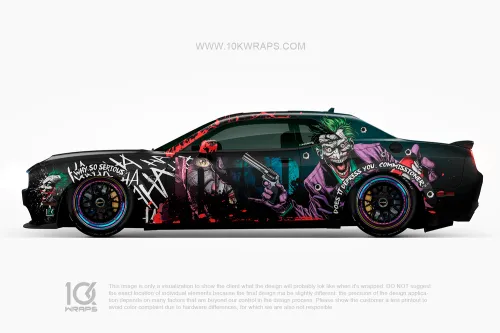
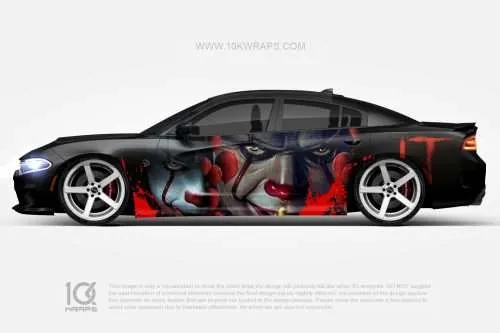
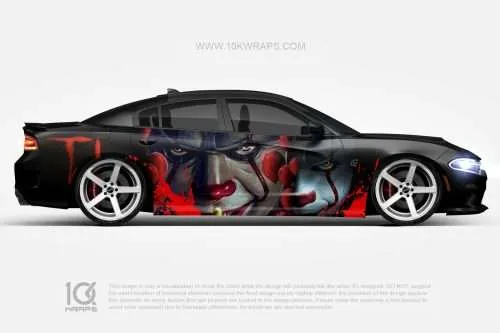
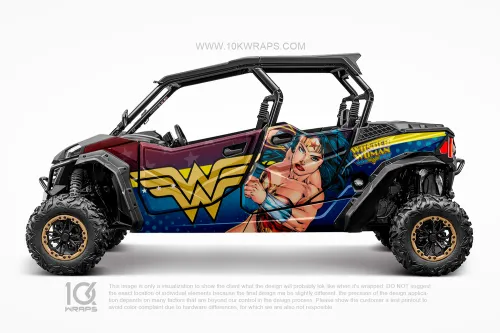
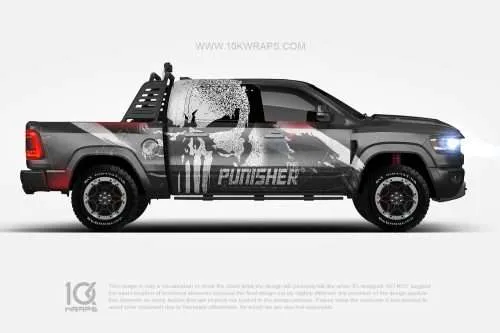
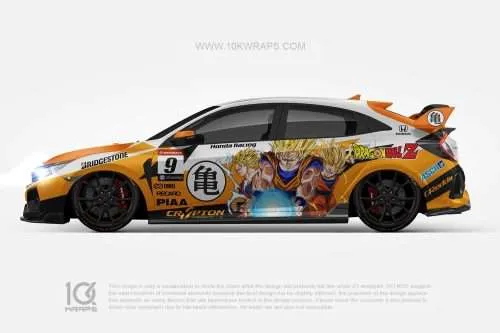
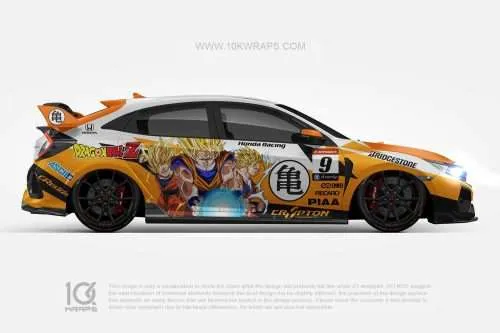
The design’s difficulty also changes the cost. Simple, one-color wraps are cheaper since they’re easier to install. But detailed designs, custom graphics, or business logos cost more because they take extra work.
| Design Type | Cost Effect |
|---|---|
| Simple, one-color wraps | Lower cost |
| Detailed designs | Higher cost |
| Business wraps | Extra cost for logos |
If you want a special or bold design, it will cost more. Custom designs need advanced printing and careful installation by skilled workers.
Note: Paying for a pro installer makes your wrap look great and last longer, even if it costs more upfront.
Labor Costs and Installer Expertise
Labor costs are a big part of car wrapping prices. Skilled installers charge more because they do better work. They take time to ensure the wrap looks perfect and lasts longer.
When picking an installer, check their skills and reviews. Experts can handle tricky designs and odd car shapes. They also avoid mistakes like bubbles or uneven edges. Less skilled workers may charge less but might not do a great job.
Here’s a simple cost guide:
- Entry-level installers: $500 to $1,000 for basic wraps.
- Mid-level professionals: $1,500 to $3,000 for standard wraps.
- Top-tier experts: $4,000+ for luxury or custom wraps.
Tip: Look at reviews and past work before hiring anyone. This helps you know if their quality matches their price.
The time needed also affects the cost. A simple wrap takes 1-2 days. A detailed design might need up to a week. Rushing the job can cause mistakes, so give the installer enough time.
Vehicle Condition and Preparation Work

Your car’s condition changes how much wrapping costs. A smooth, clean car needs less prep work, which saves money. But if your car has dents, scratches, or peeling paint, you’ll need repairs first.
Prep work includes cleaning, sanding, and fixing flaws. These steps help the wrap stick well and look smooth. Here’s how car condition affects costs:
- Great condition: Little prep, lower cost.
- Small flaws: Extra cleaning and minor fixes add to the cost.
- Big damage: Lots of prep work can cost hundreds more.
Note: Skipping prep work can make the wrap peel or not last long. Spending on prep ensures better results.
The type of paint also matters. Factory paint is better for wraps than old or flaky paint. If needed, repainting may be suggested before wrapping.
By fixing these issues, your car wrap will look great and last longer.
Cost to Wrap a Car by Vehicle Type and Coverage
Full Wrap Costs by Vehicle Type
The price of a full car wrap depends on your vehicle type. Bigger cars need more material, which makes them cost more. For example:
- Small cars: Costs range from $2,000 to $3,000.
- Sedans and SUVs: Prices are between $3,000 and $5,000.
- Luxury or exotic cars: Can cost over $10,000 due to special shapes and materials.
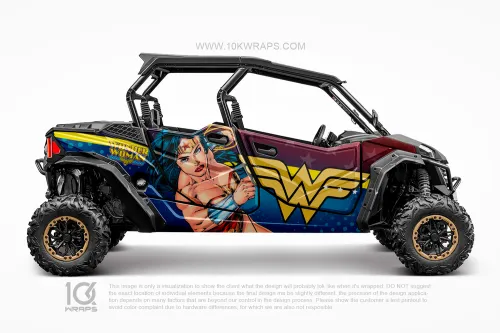
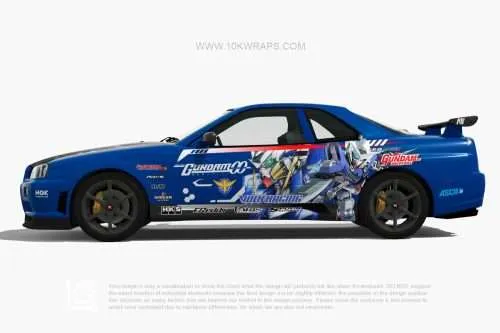
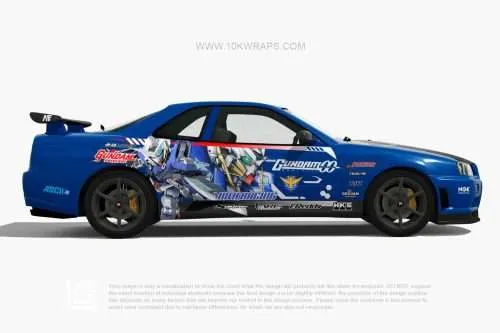
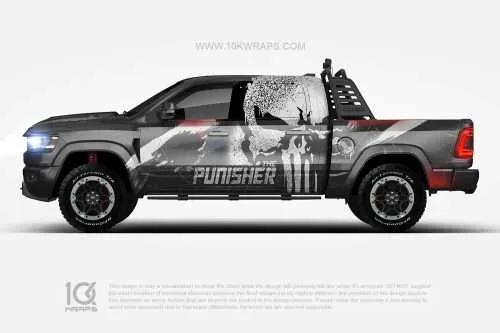
A full wrap covers all visible parts of the car. This includes the hood, roof, doors, and bumpers. It changes how your car looks and protects the paint from scratches and sunlight. If you want a big change or strong protection, a full wrap is the best choice.
Tip: Use top-quality materials like 3M vinyl for a lasting and polished look.
Partial Wrap Costs and Specific Areas
Partial wraps cost less and cover only certain parts of the car. These wraps focus on areas like the hood, roof, or side panels. The price depends on the size and difficulty of the area. Here’s a guide:
- Hood or roof wraps: $200 to $600.
- Side panel wraps: $500 to $1,000.
- Accent wraps (e.g., mirrors or spoilers): About $100.
Partial wraps usually cover 25% to 75% of the car. They’re great for adding designs or highlighting features without spending too much. For instance, you could pick a carbon fiber look for the hood or a bright color for the roof. These options let you customize your car while saving money.
Note: Partial wraps are great for ads. Add your business logo or details to the side or back of your car.
Cost Comparison: Full Wraps vs. Partial Wraps
Full wraps cost more because they cover the whole car and use more material. Partial wraps are cheaper since they only cover certain parts. Here’s a simple comparison:
| Type of Wrap | Cost Range (USD) | Coverage Percentage |
|---|---|---|
| Full Wrap | $500 – $1,500 | 100% |
| Partial Wrap | $200 – $600 | 25% – 75% |
| Accent Wrap | $100 | Small areas only |
Think about what you want before choosing. Full wraps are best for a total makeover or full protection. Partial wraps are good for saving money or adding small designs. Both options let you pick what works for your style and budget.
Callout: Full wraps give the biggest change, while partial wraps let you try smaller design ideas.
Types of Wrap Finishes and Their Car Wrap Cost
Gloss, Matte, and Satin Finishes
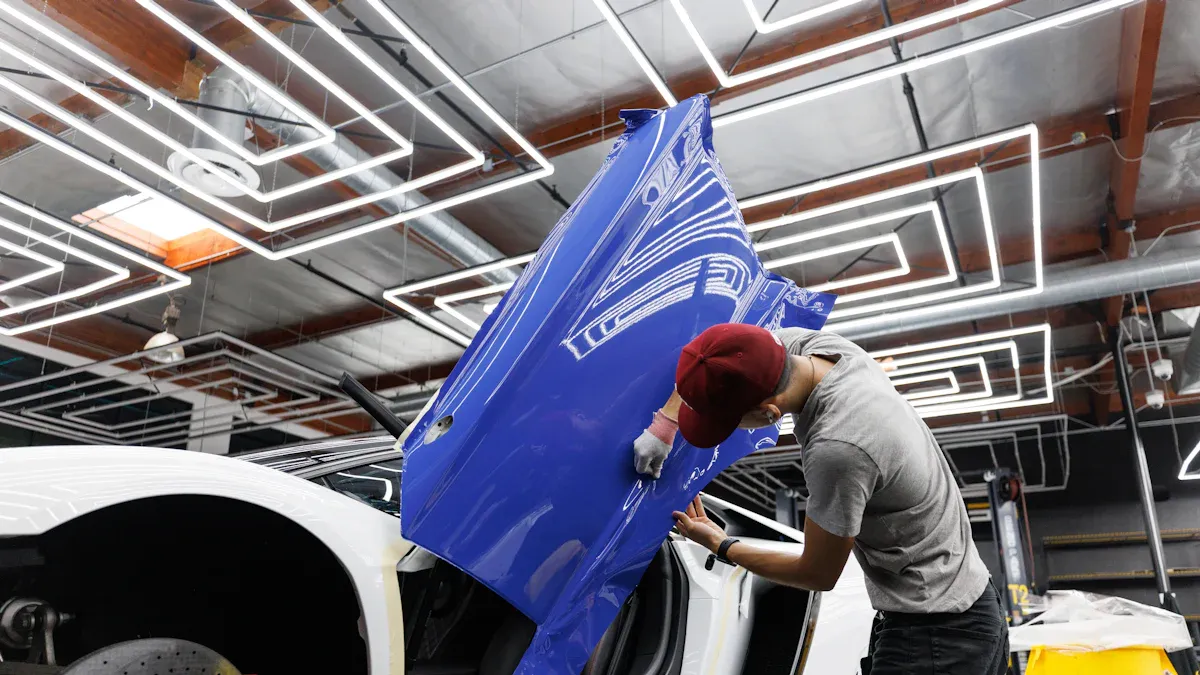
Gloss, matte, and satin wraps are very popular choices. Each gives a different look and has its own price. Gloss wraps look shiny, like regular car paint. They are usually the cheapest option. This makes them great if you want a polished look without spending too much.
Matte wraps give a flat, non-shiny look. They make your car look modern and stylish. A professional matte black wrap costs $2,500 to $4,000. The price depends on your car’s size and shape. If you want to save money, DIY matte black wrap rolls cost $500 to $800. But installing them yourself takes time and care.
Satin wraps are between gloss and matte. They have a soft shine that adds depth to your car’s color. Satin wraps cost more than gloss but less than matte. Your choice depends on your style and budget.
Tip: Use high-quality vinyl, like 3M, for a durable and professional finish.
Chrome and Textured Wraps
Chrome and textured wraps make your car stand out. Chrome wraps shine like a mirror and reflect light beautifully. They give your car a futuristic look but are expensive. Prices start at $6,000 and go higher based on your car’s size and shape.
Textured wraps, like carbon fiber or brushed metal, feel different to the touch. They look stylish and add a unique texture to your car. Carbon fiber wraps are popular for hoods and roofs. They give a sporty and high-tech look. Textured wraps cost more because of their special materials and designs.
Both chrome and textured wraps use strong materials like TPU. These resist scratches and last longer than cheaper options. While they cost more, they protect your car and make a bold statement.
Note: Chrome and textured wraps are great for luxury or sports cars. They help your car stand out.
Color-Shift and Carbon Fiber Options
Color-shift wraps change color when light hits them from different angles. They create a cool, ever-changing look. These wraps are unique and highly desired. Professional installation costs $3,000 to $6,000.
Carbon fiber wraps are textured and popular for areas like hoods and spoilers. They look like real carbon fiber but cost less. These wraps add a sporty touch without needing a full repaint.
The cost of these wraps depends on the material quality and design complexity. High-quality vinyl lasts longer and keeps its color. Whether you pick a color-shift or carbon fiber wrap, both let you show off your style.
Callout: Color-shift wraps are great for bold, changing looks. Carbon fiber wraps add a sleek, sporty vibe.
Extra Costs and Things to Think About for Car Wrapping
Ceramic Coatings and Protective Films
Adding ceramic coatings or protective films (PPF) costs more at first. But they help your wrap last longer. Ceramic coatings make water and dirt slide off, so cleaning is easier. PPF gives a thick layer that stops scratches and chips. Both protect the wrap and make it stronger.
Here’s why these are helpful:
- They stop damage, so you spend less on fixes.
- They can raise your car’s resale value if done well.
- They save money by keeping the wrap and paint safe.
- They block UV rays, dirt, and small scratches for years.
To keep them working, wash your car often with gentle shampoo. PPF might need spray sealant sometimes. Ceramic coatings need yearly checks to stay effective. These extras cost more upfront but save money later by making your wrap last longer.
Tip: Use ceramic coatings or PPF to protect your wrap and cut future costs.
Caring for Your Wrap to Make It Last
Taking care of your wrap keeps it looking good for years. Hand washing is the safest way to clean it. Avoid automatic car washes because they can harm the wrap. Use soft cloths or sponges with mild shampoo to clean dirt gently.
Follow these care tips:
- Wash your car every two weeks to stop dirt buildup.
- Clean bird droppings or tree sap right away.
- Don’t use rough tools or strong chemicals on the wrap.
- Park in shady spots to avoid too much sun.
Good care stops peeling or fading. A well-maintained wrap can last 5–7 years. This makes it a smart choice for your car.
Callout: Regular care keeps your wrap bright and protects your car for a long time.
How Vehicle Condition Changes Costs
Your car’s condition affects how much wrapping will cost. A smooth, clean car needs little prep, which lowers the price. But dents, scratches, or peeling paint need fixing first.
Prep work includes cleaning, sanding, and fixing flaws. This helps the wrap stick well and look smooth. Here’s how condition changes costs:
- Great shape: Little prep, lower cost.
- Small issues: Cleaning and small fixes add some cost.
- Big problems: Lots of prep can cost hundreds more.
Factory paint works best for wraps. Old or damaged paint may need repainting before wrapping. This costs more but makes the wrap last longer and look better.
Note: Spending on prep work gives a smoother wrap and better results.
DIY vs. Professional Car Wrapping Cost
Cost Comparison: DIY vs. Professional
Choosing between DIY and professional car wrapping depends on cost differences. DIY wrapping saves labor costs but has its own expenses. You’ll need to buy vinyl wrap, which costs $500 to $900 for good quality. Tools like heat guns and squeegees also add to the price. Mistakes during wrapping can waste materials and raise costs.
Professional wrapping costs more upfront but gives better results. Experts include material costs in their prices, usually $2,000 to $4,000 for standard cars. Their skills reduce errors, saving you money on fixes. Many professionals offer warranties, adding extra value. Though pricier, professional wraps are durable and worth the investment.
Tip: If you’re new to wrapping, think about the risks of mistakes before trying DIY.
Risks and Challenges of DIY Wrapping
DIY wrapping seems cheaper but has challenges. It needs patience and skill. Without experience, you might create bubbles, wrinkles, or uneven edges. These problems make the wrap look bad and wear out faster. Fixing mistakes can cost more than hiring a pro.
DIY wrapping also takes a lot of time. It can take days if you’re not familiar with the process. You must clean and prep the car carefully, as dirt stops the vinyl from sticking. Lack of tools and experience makes the job harder.
Note: DIY wrapping works best for small areas. For full wraps, hiring a pro is smarter.
Benefits of Hiring Professionals
Hiring professionals has many advantages. They know how to wrap cars perfectly, even with tricky designs. Their skills prevent mistakes, saving you time and money. Professionals also offer warranties to protect against peeling or fading.
Experts use top-quality materials and tools, making wraps last longer. They finish full wraps quickly, often in 1–3 days. This reduces the time your car is unavailable. Whether for style or protection, professional wraps are reliable and long-lasting.
Callout: Professionals make sure your car wrap looks great and lasts longer, making it a smart choice.
Is Car Wrapping Worth the Cost?
Benefits of Car Wrapping
Car wrapping has many perks that make it a smart choice. One big benefit is protecting your car’s paint. Wraps act like a shield, stopping scratches, chips, and sun damage. This keeps your car’s paint looking new and can boost its resale value. If you sell your car later, the paint will still look great.
Another perk is customizing how your car looks. Wraps let you pick from many colors, finishes, and designs. You can choose matte black for a cool look or color-shift wraps for something bold. Wraps aren’t permanent, so you can change your car’s style anytime you want.
Car wrapping costs less than repainting. A good paint job can cost over $10,000. Wraps usually cost $2,000 to $7,000, making them a cheaper way to change your car’s look. For businesses, wraps are great for advertising. They turn cars into moving ads, helping promote brands easily.
Drawbacks and Limitations
Car wrapping has some downsides to think about. Installing a wrap takes time, often several days. During this time, you can’t use your car. Removing wraps the wrong way can harm the paint, especially if the paint is old or damaged.
Another issue is warranties. Some car makers won’t cover damage caused by wraps. Check your warranty before wrapping your car. Wraps also need regular care to stay nice. If you don’t clean them often, they might peel or fade faster.
For businesses, car wrapping profits may be smaller than other services. But the growing demand for wraps, especially for ads, makes up for this.
When Wrapping is a Good Investment
Car wrapping is worth it in many cases. If you want to protect your car’s paint and make it look cool, wraps are a great option. Wraps are also perfect for people who like changing their car’s style often. You can try new looks without spending a lot on repainting.
For businesses, wraps are a smart way to advertise. The car wrap market is growing fast because more companies want mobile ads. Wrapping company cars with logos and contact info turns them into moving billboards.
If your car’s paint is in good shape, wraps can keep it safe and help keep its value. But if the paint is damaged, you might need repairs first. In that case, wrapping may not be worth the extra cost.
In the end, car wrapping is worth it if you want paint protection, cool designs, or advertising. Using good materials and hiring experts ensures your wrap lasts long and looks amazing.
Car wrapping in 2025 has many choices for different budgets. The price depends on your car type, wrap material, and design. Small cars start at $2,000, but luxury cars can cost over $10,000. Below is a table showing starting prices by vehicle type:
| Vehicle Type | Starting Cost Range |
|---|---|
| Compact Car | $2,000 |
| Family Sedan | $3,000 |
| SUV | $4,000 |
| Luxury Sports Car | $4,000 – $6,000 |
| Commercial Vehicle | $3,000 – $5,000 |
| High-end Luxury Cars | $4,000 – $10,000 |
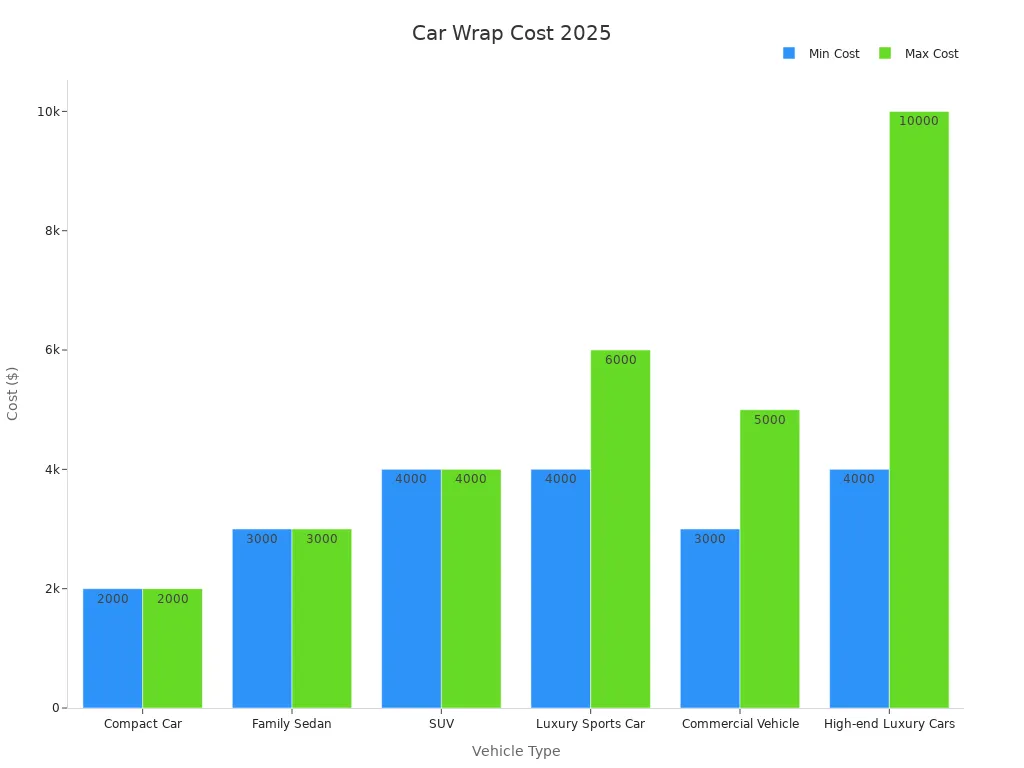
Hiring experts gives you better quotes and great results. Using strong materials like 3M vinyl makes wraps last longer and look better. Think about the benefits of protecting your car’s paint and customizing its look. Compare these with the costs and care needed to decide if wrapping fits your needs and budget.
FAQ
What is the average cost of wrapping a car in 2025?
The average cost ranges from $2,000 to $7,000. Smaller cars cost less, while larger or luxury vehicles cost more. Factors like material quality, design complexity, and labor expertise also affect the price.
How long does a car wrap last?
A high-quality wrap lasts 5 to 7 years with proper care. Regular hand washing and avoiding harsh chemicals help maintain its appearance and durability.
Can you remove a car wrap without damaging the paint?
Yes, you can remove a wrap safely if the paint underneath is in good condition. Professional removal ensures no damage occurs during the process.
Is car wrapping cheaper than painting?
Yes, wrapping is usually more affordable. A full wrap costs $2,000 to $7,000, while a professional paint job can exceed $10,000. Wraps also offer more customization options.
Do wraps protect the car’s paint?
Yes, wraps act as a protective layer. They shield the paint from scratches, chips, and UV damage. This helps maintain the car’s resale value.
Can you wrap a leased car?
Yes, wrapping a leased car is allowed in most cases. Wraps are temporary and removable, making them a great option for leased vehicles. Always check your lease agreement first.
How do you maintain a car wrap?
Hand wash your car every two weeks using mild soap and soft cloths. Avoid automatic car washes and harsh chemicals. Clean bird droppings or tree sap immediately to prevent stains.
Can you wrap only specific parts of a car?
Yes, partial wraps are available. You can wrap areas like the hood, roof, or side panels. These cost less and allow for creative designs or accents.
Tip: Always consult a professional for accurate quotes and expert advice on car wrapping.
Reference
• AutoTech Insights. (2024). Consumer trends in compact car upgrades: Focus on Honda Civic. AutoTech Market Reports, 16(2), 45–60.
• Wrap Industry Weekly. (2024). Vinyl material price forecast 2025. WIW Publications, 11(7), 22–35.
• Global Auto Styling. (2024). What car owners should know about wrap durability. G.A.S. Report, 8(5), 12–19.
• U.S. Car Modification Association. (2024). Annual car customization price index. USCARMA Reports, 2024 Edition, 33–48.
• Visual Wrap Trends. (2025). The future of car wrapping: Pricing, materials, and design. VWT Journal, 3(1), 9–26.
• MarketScope Automotive. (2024). Regional wrap cost comparisons across North America. MS Auto Reports, 14(9), 58–72.
• WrapTech Pro. (2024). Top wrap materials ranked by performance and price. WrapTech Reviews, 12(3), 40–51.
• AutoRestyle Magazine. (2025). What’s new in 2025: Car wrap innovations and costs. AR Magazine, April Edition, 18–29.
• DesignDrive Studio. (2024). Cost-effective wrapping: DIY vs. professional services. DDS Insights, 7(4), 30–44.
• Vehicle Trends Report. (2024). 2025 forecast for vehicle personalization and wrapping services. VTR Research, 5(6), 13–37.