A Comprehensive Guide to Car Wrapping: Costs, Benefits, Types, and Installation Process


Car wrapping is a way to cover your car with a vinyl sheet. This can change how it looks or keep its paint safe. Many people like it because it is flexible and easy to use. Unlike painting, wraps are simple to put on and take off. This makes them great for trying out new designs.
The car wrapping business is growing fast. For example:
- In 2022, the market was worth $3.6 billion. It might grow to $40 billion by 2033.
- In the U.S. alone, it made $1.8 billion in 2022, showing how popular it is.
This growth is due to trends like custom designs, eco-friendly materials, and wraps being cheaper than paint jobs. Whether you want to protect your car or make it unique, car wrapping is a smart choice.
Key Takeaways
- Car wrapping is a cheaper way to change your car’s look. Full wraps usually cost $2,500 to $7,000.
- Wraps protect your car’s paint from scratches, sunlight, and weather. This helps keep your car’s value over time.
- You can pick full or partial wraps based on your budget. Partial wraps can cost as little as $500.
- Getting it done by a pro gives a better finish. If you’re skilled and patient, you can try doing it yourself.
- Car wraps let you customize with colors, textures, and finishes to fit your style.
- Good wraps from brands like 3M and Avery last longer and work better than cheap ones.
- Cleaning gently and parking in the shade can make your wrap last longer.
- Businesses use car wraps as moving ads, reaching thousands of people every day.
Costs of Car Wrapping
General Cost Ranges
The price of car wrapping depends on the wrap type and coverage. On average:
- Wrapping a whole car costs $2,500 to $7,000.
- Partial wraps, like on the hood or roof, cost $500 to $2,500.
- A professional paint job can cost $3,000 to $10,000 or more.
Car wrapping is affordable and high-quality, making it a popular choice.
Factors Influencing Costs
Vehicle Size and Type
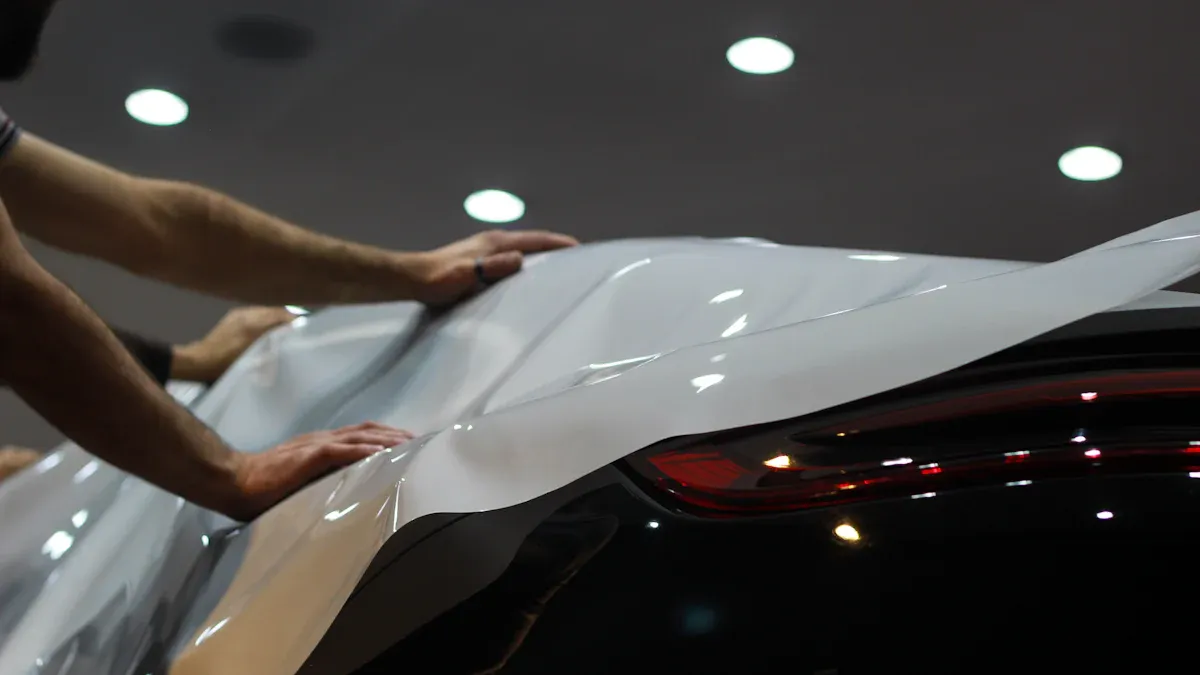
The size and type of your car affect the wrap cost. Bigger cars need more vinyl, which raises the price. For example:
| Vehicle Type | Vinyl Feet Needed | Estimated Cost |
|---|---|---|
| Sedan | 40-55 | $2,500 – $6,000 |
| Truck | 60-125 | $2,800 – $6,500 |
| Mini-Van | 65-90 | $3,200 – $7,000 |
Smaller cars like sedans cost less to wrap than larger ones.
Wrap Type and Finish
The kind of wrap and its finish also change the price. Glossy wraps are cheaper. Special finishes like matte, satin, or chrome cost more. Chrome wraps are pricey because they look unique and need skill to install.
Design Complexity
Custom designs can make wraps more expensive. Simple, single-color wraps cost less. Detailed designs with many colors or patterns cost more. Business wraps with logos or graphics also add to the price.
Installer Expertise and Location
Experienced installers charge more but give better results. Costs also depend on where you live. Cities with high demand for wraps may charge more than rural areas.
Cost Comparisons
Full Wraps vs. Partial Wraps
Full wraps cover the whole car for complete protection and style. These cost $2,500 to $7,000. Partial wraps only cover parts like the hood or doors. They cost $500 to $2,500 and are a cheaper way to upgrade your car.
Wrapping vs. Painting
Wrapping is often cheaper than painting. Wrapping costs $2,000 to $7,000, while painting costs $3,500 to $10,000 or more. Wrapping also protects the paint and is easy to remove. If you want a temporary option, wrapping is a smart choice.
Vehicle-Specific Cost Estimates
Sedans, SUVs, Trucks, and Luxury Vehicles
The price of wrapping depends on your car’s size and type. Bigger cars need more vinyl, which makes them cost more. Here’s a simple breakdown of costs:
- Sedans: Wrapping sedans is the cheapest. They are small and need less material. Prices range from $2,500 to $6,000 for a full wrap.
- SUVs: SUVs are bigger than sedans, so they cost more. Wrapping an SUV usually costs $3,000 to $7,000.
- Trucks: Trucks are large and have unique shapes. Full wraps for trucks cost between $3,500 and $8,000.
- Luxury Vehicles: Wrapping luxury cars is pricier. They need special care and high-quality wraps. Costs range from $5,000 to $10,000 or more.
Tip: For luxury cars, hire skilled installers. They ensure the wrap looks perfect and matches the car’s style.
Component-Specific Costs (e.g., hood, roof, headlights)
If you don’t want a full wrap, you can wrap parts of your car. This saves money and lets you customize specific areas. Here are some common costs:
| Component | Estimated Cost Range |
|---|---|
| Hood | $250 – $600 |
| Roof | $300 – $800 |
| Side Mirrors | $100 – $300 |
| Headlights/Taillights | $50 – $200 per light |
Partial wraps are a fun way to make your car unique. For example, wrapping the roof in a bold color can make your car stand out.
DIY vs. Professional Installation Costs
You can either wrap your car yourself or hire a professional. Each option has its own pros and cons.
- DIY Installation: If you’re good with tools, you can try wrapping your car. DIY kits cost $500 to $1,500, depending on the vinyl and car size. But wrapping takes skill and patience. Mistakes can waste vinyl and ruin the look.
- Professional Installation: Professionals do the job perfectly. They have the tools and experience to avoid bubbles and wrinkles. This option costs more—around $2,500 to $7,000—but saves time and gives great results.
Note: If you’re new to wrapping, start small. Try wrapping mirrors or the hood first. This helps you practice before doing a full wrap.
Benefits of Car Wrapping
Paint Protection
Guarding Against Scratches, Sunlight, and Weather
Car wraps protect your car’s paint from damage. The vinyl layer stops small scratches from reaching the paint. This is helpful if you drive on roads with gravel or dirt. Wraps also block harmful sunlight that can fade your car’s color. By reducing sun exposure, your car’s paint stays bright and fresh.
Weather like rain, snow, or heat can harm your car’s surface. A good wrap acts as a shield against these elements. This keeps your car looking great for longer. If you live in areas with tough weather, wraps can save you money on paint fixes.
Tip: To keep your wrap lasting longer, park in shade and clean it gently with soap and water.
Aesthetic Customization
Many Colors, Textures, and Finishes to Choose From
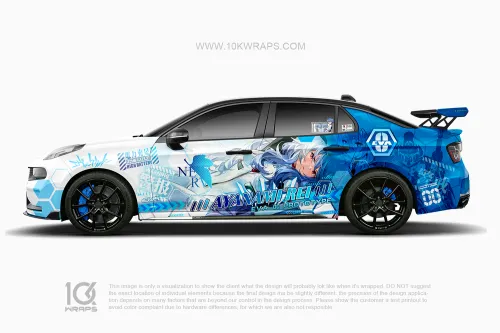
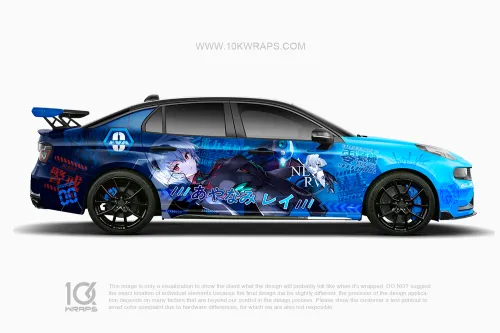
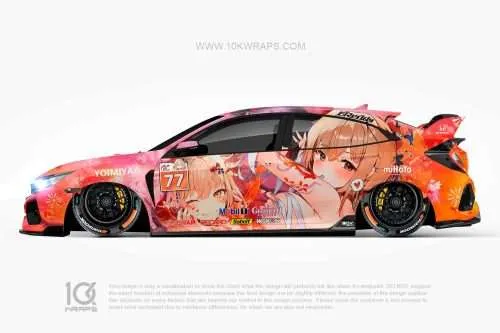
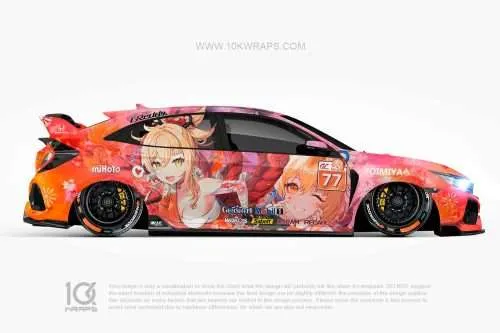
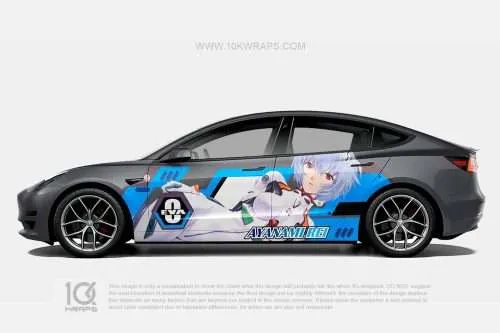
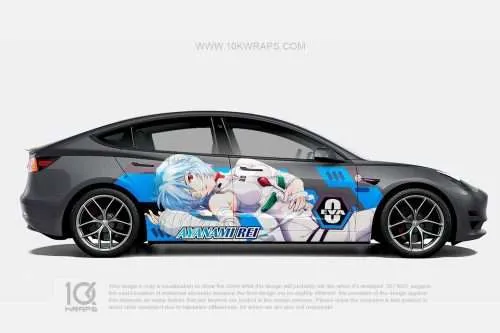
Car wraps let you change how your car looks. You can pick from many colors, even ones paint jobs don’t offer. Textures like carbon fiber or brushed metal make your car unique. Finishes like gloss, matte, or satin give it a stylish look.
People often see big changes in their car’s look after wrapping. Photos shared by customers show how wraps can transform a car. These wraps not only improve style but also protect the original paint.
Did you know? Special finishes like chrome or color-shift wraps make cars stand out. These cost more but give a fancy and eye-catching look.
Advertising and Branding
Affordable Marketing for Businesses
Car wraps are great for businesses too. A wrapped car works like a moving ad, showing your brand everywhere. Compared to other ads, car wraps cost less per view.
| Advertising Type | Cost per 1,000 Views (CPM) | Views per Day |
|---|---|---|
| Car Wrap Ads | $0.35 – $0.48 | 30,000 – 80,000 |
| Traditional Ads | More than $0.48 | Depends on the platform |
Fleet wraps create millions of views each year. They are one of the best ways to advertise. Todd Stuart, President of SignZoo.com, said, “Customers tell us how their business grew after wrapping their cars. Some got new clients before even reaching home, while others got orders right after leaving our office.”
Pro Tip: If you own a business, wrap your company cars with your logo and contact info. This helps more people see your brand and costs less than regular ads.
Cost-Effectiveness and Reversibility
Cheaper and Easier to Remove Than Paint
Car wrapping is a cheaper way to change your car’s look. Unlike paint jobs, which cost a lot and take time, wraps are budget-friendly. You can get a great finish for less money. This makes wrapping perfect for updating your car or protecting its paint.
One big benefit of wrapping is that it’s easy to undo. If you want to switch designs or go back to the original paint, removing the wrap is simple. Experts can take off the vinyl without harming the paint. This process only takes a few hours, while repainting can take days. You can also change your car’s style often to keep it looking new.
Did you know? A good wrap lasts up to 7 years. You can remove it anytime, and it won’t leave marks or sticky residue.
Wraps also protect your car from scratches, sunlight, and bad weather. This keeps the paint in great shape and helps your car keep its value. When you sell your car, the paint underneath will still look new because of the wrap.
For businesses, wraps save money and work as moving ads. A wrapped car can promote your brand and bring in customers. When the ad campaign ends, you can remove the wrap and use the car for other things. This makes wrapping a smart choice for personal and business needs.
Pro Tip: Always hire a pro to remove wraps. Doing it yourself might damage the paint.
Types of Car Wraps
Wrap Finishes
Gloss, Matte, Satin, and Color-Shift
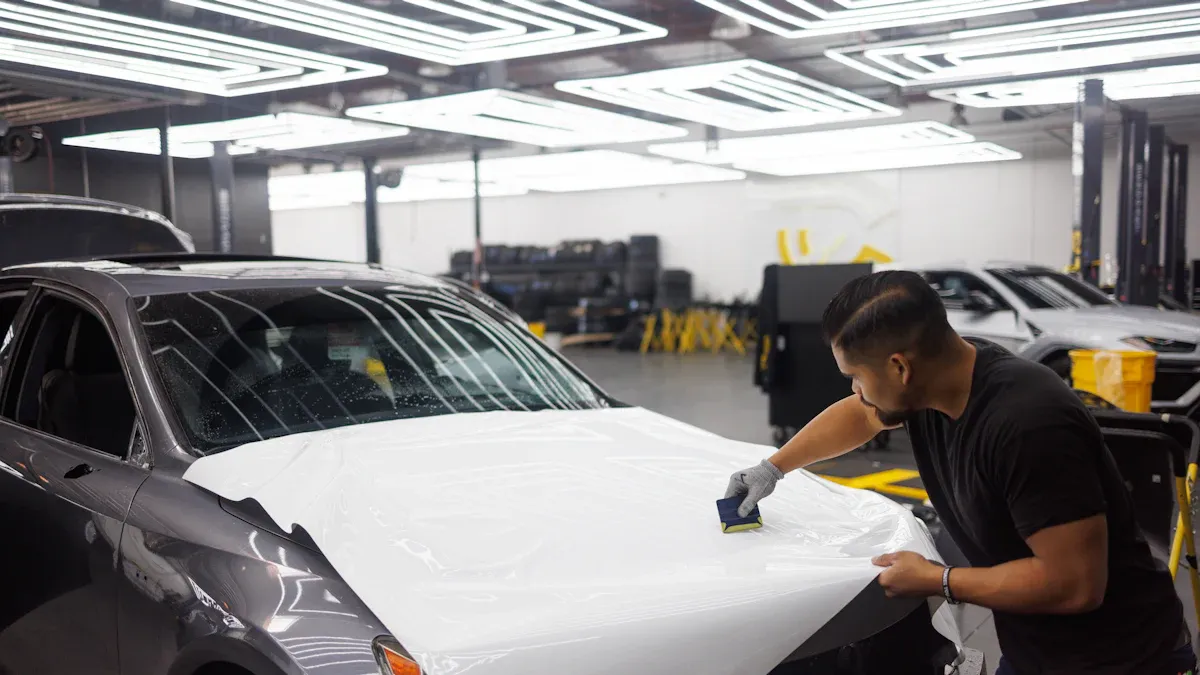
Car wraps come in different finishes, each giving a unique look. Gloss wraps are shiny, like regular car paint. They reflect light and make your car look bright. Satin wraps have a soft shine, not too glossy or flat. They are stylish and a favorite for many.
Matte wraps are flat and don’t reflect light. They give cars a cool, modern look. But they need extra care to stay nice. Color-shift wraps change colors when light hits them. These wraps are great if you want your car to stand out.
| Finish Type | Lifespan (Years) | Maintenance Tips |
|---|---|---|
| Gloss | 4-6 | Easy to clean, handles sunlight well |
| Satin | 4-6 | Similar care as gloss, with a softer shine |
| Matte | 3-6 | Harder to clean, fades faster than other finishes |
Tip: Pick a finish that fits your style and care routine. Gloss and satin are easier to maintain, while matte and color-shift need more attention.
Carbon Fiber and Chrome
Carbon fiber wraps look like real carbon fiber. They give cars a sporty and high-tech feel. People often use them on hoods or mirrors for a bold touch. Chrome wraps are shiny like mirrors. They make cars look fancy and futuristic. But chrome wraps cost more and need expert installation.
Note: Chrome wraps can scratch easily. Be careful when handling them.
Film Types
Protective Films
Protective films are clear and keep your car’s paint safe. They stop scratches, rock chips, and sun damage. These wraps are great for keeping your car’s original look and value.
Decorative Vinyl
Decorative vinyl wraps are all about looks. They come in many colors, patterns, and textures. Use them to change your car’s style or add cool designs. They’re perfect for showing off your personality.
Hybrid Materials
Hybrid wraps mix protection and style. They are strong and look good. For example, you can get a hybrid wrap with a matte finish that also protects your car. These wraps are great for both looks and durability.
Pro Tip: Want both style and protection? Hybrid wraps are the way to go.
Full Wraps vs. Partial Wraps
Coverage Options and Use Cases
Full wraps cover the whole car. They protect all surfaces and give a new color or design. Full wraps also keep the original paint safe, which helps when selling the car.
Partial wraps only cover certain parts, like the hood or roof. They cost less and still make your car look cool. For example, wrapping just the roof in a bold color can create a striking look.
Did you know? Businesses love partial wraps. Adding a logo to the doors or back of a car turns it into a moving ad.
Premium vs. Budget Wrap Brands
3M, Avery, and Problems with Cheap Wraps
The brand of car wrap you pick matters a lot. Top brands like 3M and Avery Dennison make high-quality wraps. These wraps last long, look great, and are easy to install. Cheaper wraps may cost less but often come with many problems.
Why Pick Premium Brands?
Brands like 3M and Avery are trusted for good reasons. They use advanced methods to make wraps that are strong and long-lasting. Here’s why they’re worth it:
- Durability: Premium wraps can last 5–7 years without peeling.
- Easy to Apply: High-quality wraps go on smoothly with fewer bubbles.
- Color Choices: They offer many colors, textures, and finishes like gloss or matte.
- Warranty: Most premium wraps include warranties, giving you confidence in your choice.
Tip: For a polished, long-lasting look, choose brands like 3M or Avery. They cost more upfront but save money over time by lasting longer.
Problems with Cheap Wraps
Cheaper wraps might seem like a bargain, but they often disappoint. Here are common issues with low-cost wraps:
- Short Lifespan: Cheap wraps fade or peel within 1–3 years.
- Bad Adhesion: Low-quality wraps don’t stick well, causing bubbles and lifting edges.
- Fewer Options: Budget wraps have limited colors and finishes.
- Paint Damage: Cheap wraps can harm your car’s paint or leave sticky residue.
| Feature | Premium Wraps (3M, Avery) | Budget Wraps |
|---|---|---|
| Lifespan | 5–7 years | 1–3 years |
| Installation Ease | Smooth and bubble-free | Prone to wrinkles |
| Color Options | Wide variety | Limited selection |
| Paint Protection | Excellent | Risk of damage |
Warning: Cheap wraps may save money now but cost more later in repairs. Think carefully before choosing a budget option.
Choosing the Best Wrap
Premium wraps keep your car looking great and protect it too. Budget wraps might seem cheaper, but they often don’t last or look as good. If you want the best results, go with trusted brands like 3M or Avery.
Pro Tip: Ask your installer about the wrap brand they use. Good installers always recommend high-quality materials for your car.
Installation Process
Steps Involved
Consultation and Planning
The first step is talking with the installer. You share your ideas about the design, color, and finish you want. The installer checks your car’s condition and gives advice. This helps make sure the wrap fits your needs and budget. They also measure your car to figure out how much vinyl is needed.
Disassembly of Vehicle Components
Before wrapping, parts like mirrors and door handles are removed. This helps the vinyl cover all areas smoothly. Taking off these parts stops peeling at edges or corners. Though it takes time, this step ensures a neat and professional look.
Film Application Techniques
Putting on the vinyl is the most important step. The car is cleaned to remove dirt and grease. The installer lines up the vinyl and uses heat tools and squeegees to smooth it out. This removes air bubbles and wrinkles. Careful work is needed because small mistakes can ruin the look.
Reassembly and Quality Inspection
After wrapping, the removed parts are put back on. The installer checks the car to make sure the wrap sticks well and looks great. This final check ensures the wrap meets high standards and improves the car’s appearance.
Professional vs. DIY Installation
Pros and Cons of Each Option
You can hire a professional or do the wrapping yourself. Both choices have good and bad points.
- Professional Installation:
- Pros: Experts use the right tools and skills for a perfect finish. The wrap lasts longer and looks better.
- Cons: It costs more, usually $2,500 to $7,000 for a full wrap.
- DIY Installation:
- Pros: DIY kits cost less, around $500 to $1,500. You can also make changes as you go.
- Cons: Wrapping takes practice and patience. Mistakes can waste vinyl and look bad.
Tip: If you’re new to wrapping, start small. Try wrapping mirrors or the hood first to practice before doing the whole car.
Time Required for Installation
Factors Affecting Duration
How long wrapping takes depends on a few things:
- Vehicle Size: Bigger cars like trucks need more time.
- Design Complexity: Fancy designs with lots of details take longer.
- Installer Expertise: Skilled installers work faster and still do a great job.
Most professional wraps take 7 to 9 hours. Larger cars or detailed designs might take up to two days. Good planning helps the process go smoothly.
Maintenance and Longevity
Lifespan of Car Wraps
Typical Durability (3-7 Years)
Car wraps can last 3 to 7 years. The lifespan depends on the vinyl type and care. Cast vinyl is strong and lasts over 7 years with good maintenance. It doesn’t shrink or fade easily, making it great for long-term use. Calendered vinyl is cheaper but lasts up to 3 years. It may crack or fade faster than cast vinyl.
| Type of Vinyl | Lifespan with Proper Care | Notes |
|---|---|---|
| Calendered Vinyl | Up to 3 years | Cheaper but less durable; cracks and fades over time. |
| Cast Vinyl | 7 years or more | Stronger and resists fading; best for long-term use. |
Tip: Pick cast vinyl and maintain it well for a longer-lasting wrap.
Maintenance Tips
Cleaning and Avoiding Damage
Cleaning your car wrap often helps it last longer. Use mild soap and water to wash it. Avoid harsh cleaners or rough sponges that can scratch the vinyl. A soft cloth or sponge works best. If using a pressure washer, keep it on low and stay 12 inches away from the wrap.
Park in shaded spots to protect the wrap from sunlight. UV rays can fade the vinyl over time. Clean off bird droppings or tree sap quickly to avoid stains.
Pro Tip: Hand washing is the safest way to clean your wrapped car. It prevents scratches and peeling.
Ceramic Coating and Sunlight Protection
Adding ceramic coating protects your car wrap. It keeps dirt, water, and UV rays away, making the wrap last longer. Ceramic coating also makes cleaning easier by stopping grime from sticking. While not required, it can help your wrap stay fresh.
Sunlight can fade and weaken vinyl wraps. To protect them, park in a garage or use a car cover. This reduces UV damage and keeps the wrap looking new.
Did you know? Ceramic coatings can make your wrap’s color brighter and shinier.
Common Issues and How to Address Them
Peeling, Fading, and Air Bubbles
Peeling happens when the wrap edges aren’t sealed well. A professional can fix this by reapplying the vinyl. Check your wrap often to catch peeling early.
Fading occurs from too much sunlight. You can’t fix fading, but you can prevent it. Park in shaded areas and use UV-protective coatings. High-quality vinyl, like cast vinyl, fades less.
Air bubbles may appear during installation. For small bubbles, use a pin to release the air gently. For bigger bubbles, ask a professional for help to avoid damage.
Note: Fixing these problems quickly keeps your wrap looking great and saves money on repairs.
Is Car Wrapping Worth It?
For Personal Use
Style and Paint Protection
Car wrapping is a smart way to make your car look better. You can pick from many colors, textures, and finishes to match your taste. Wraps let you try bold designs or small changes without making them permanent.
Wraps also protect your car’s paint. They stop scratches, sunlight, and bad weather from damaging the surface. This keeps your car looking new for a long time. When selling your car, you can remove the wrap to show the untouched paint. This helps keep the car’s value high. Wrapping is a cheaper way to personalize and protect your car.
- Wraps keep the original paint safe, helping the car’s value.
- They let you customize your car for less money than painting.
- The wrap adds a protective layer, making the car last longer.
For Business Use
Advertising and Branding Benefits
Car wraps are great for businesses. A wrapped car works like a moving ad, showing your brand everywhere. This type of advertising costs less than regular ads and reaches many people. Whether parked or driving, your car can get thousands of views daily.
Fleet wraps are perfect for businesses with many cars. They make your brand look professional and consistent. Adding your logo, contact info, and a cool design makes your business easy to recognize. Car wrapping is affordable and gets lots of attention, making it a smart choice for advertising.
Pro Tip: Use bright colors and clear writing on your wrap to grab attention.
Comparing Costs and Benefits to Other Options
Paint Jobs, PPF, and Ceramic Coating
Car wrapping is often cheaper and more flexible than other options like painting, paint protection film (PPF), or ceramic coating. Painting costs more and isn’t reversible. If you want a new look later, repainting is expensive, but wraps can be removed or replaced easily.
PPF protects your car but doesn’t let you change its style. Ceramic coating makes the paint shiny and keeps dirt away but doesn’t allow for design changes. Wrapping gives both protection and style at a good price.
- Wraps keep the car’s original paint safe for resale.
- They are a budget-friendly way to change your car’s look.
- Unlike paint jobs, wraps can be removed and updated easily.
Did you know? With proper care, car wraps can last up to seven years, making them a durable and flexible option.
Car wrapping is an affordable way to protect your car and change its look. You can pick from many colors, textures, and finishes to suit your taste. Before wrapping, make sure the car’s surface is clean and ready. Choose a skilled installer who wraps edges neatly for a smooth result. After wrapping, skip automatic car washes and clean gently with mild soap. Check the wrap often to spot and fix any problems early. When cared for properly, car wrapping is a smart and flexible option for personal or business needs.
FAQ
What is the average cost of a car wrap?
The cost depends on the size of your car and the type of wrap. On average, a full wrap costs $2,500 to $7,000. Partial wraps, like the hood or roof, range from $500 to $2,500.
How long does a car wrap last?
A car wrap typically lasts 3 to 7 years. The lifespan depends on the quality of the vinyl and how well you maintain it. Cast vinyl lasts longer than calendered vinyl.
Can I wash my wrapped car?
Yes, you can wash it. Use mild soap and water with a soft cloth. Avoid automatic car washes, as they can damage the wrap. Hand washing is the safest option.
Will a car wrap damage my paint?
No, a high-quality wrap won’t damage your paint if applied and removed correctly. It actually protects the paint from scratches, UV rays, and weather.
Can I remove a car wrap myself?
You can remove it yourself, but hiring a professional is safer. Experts use the right tools to avoid damaging the paint. DIY removal risks leaving adhesive residue or peeling paint.
How long does it take to wrap a car?
Wrapping a car takes 7 to 9 hours for most vehicles. Larger cars or complex designs may take up to two days. Professional installers work faster and ensure a smooth finish.
Are car wraps customizable?
Yes, car wraps offer endless customization options. You can choose from various colors, textures, and finishes like gloss, matte, or satin. Custom designs, logos, and patterns are also possible.
Is car wrapping better than painting?
Car wrapping is often cheaper and more flexible than painting. It protects the original paint, is reversible, and offers more design options. Painting is permanent and costs more.
Tip: Choose wrapping if you want a temporary or customizable solution
References
-
- Allied Market Research. (2024). Global vehicle wrap film market outlook 2024–2033: Growth drivers and trends. Allied Industry Reports.
- ·Automotive Customization Association. (2023). Consumer preferences and cost analysis: Vehicle wraps vs. traditional paint. ACA Market Insights, 29(1), 14–25.
- ·Automotive Materials Research Group. (2023). Advancements in eco-friendly vinyl for vehicle applications. Materials in Motion Journal, 22(3), 67–80.
- ·CarWrap Industry Council. (2023). 2023 vehicle wrap business performance: Trends, tools, and technologies. CWIC Annual Report.
- ·Consumer Vehicle Trends Institute. (2023). Vehicle appearance customization in North America: Wraps, graphics, and finishes. CVTI Research Bulletin, 18(4), 55–69.
- ·Fact.MR. (2024). Automotive wrap films market forecast: 2023 to 2033. Global Market Intelligence Briefs.
- ·Grand View Research. (2024). Automotive wrap films market size and forecast report. GVR Industry Data Reports.
- ·IMARC Group. (2024). Automotive wrap films market: Global industry trends and future outlook 2024–2033. IMARC Technical Reports.
- ·Vehicle Graphics & Print Association. (2023). Digital printing and vinyl wrap innovations in 2023. VGPA Design Trends Quarterly, 10(2), 33–46.
- ·We Print Wraps. (2023). The future of car wrapping: Trends and eco-friendly practices. Wrap Industry Weekly, 7(1), 21–29.