Beginner’s Guide to Itasha Car Wraps: What They Are and Why You Need One


If you’ve ever seen a car covered in bold anime artwork and wondered, “Could I do that—and should I?”, you’re in the right place. This beginner-friendly guide explains what an Itasha car wrap is, how much it usually costs, what affects durability, and how to handle legal/IP basics. By the end, you’ll have a clear path from idea to installation so you can decide whether an Itasha car wrap suits your budget, lifestyle, and taste.
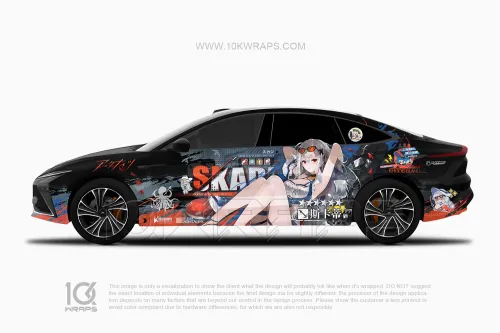
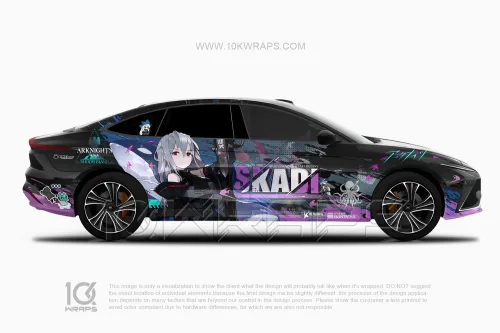
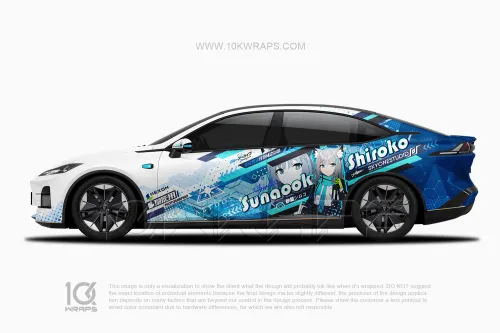
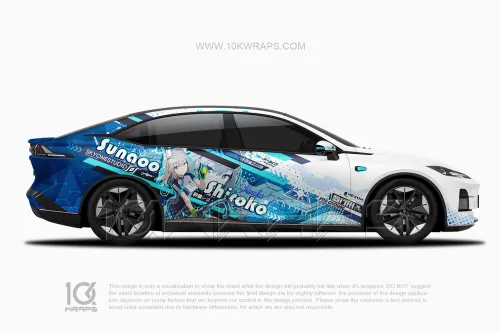
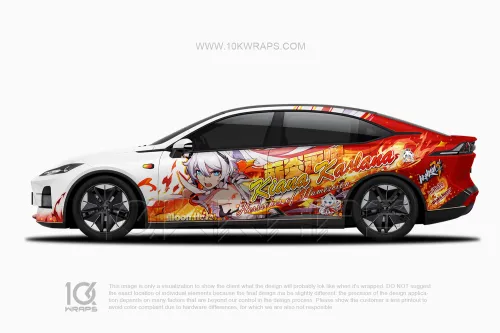
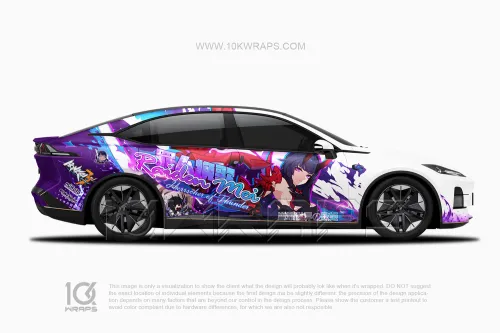
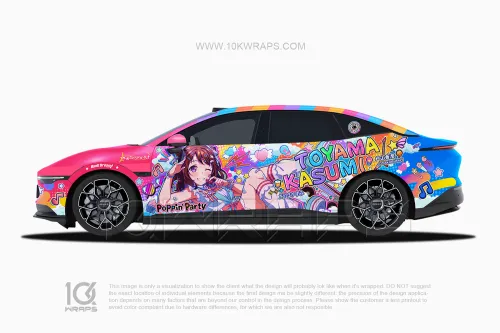
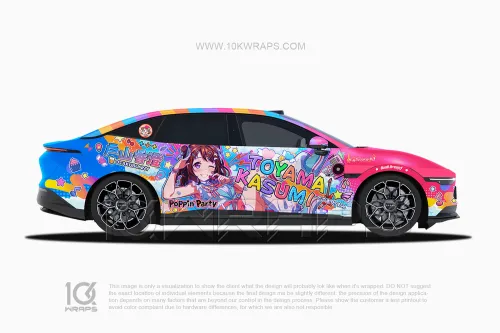
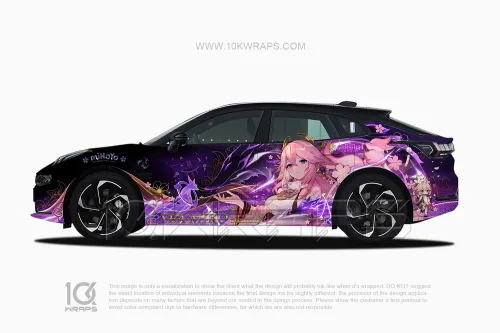
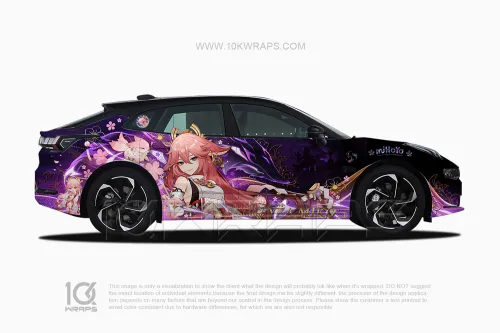
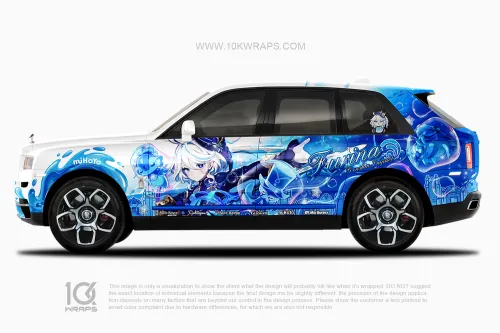
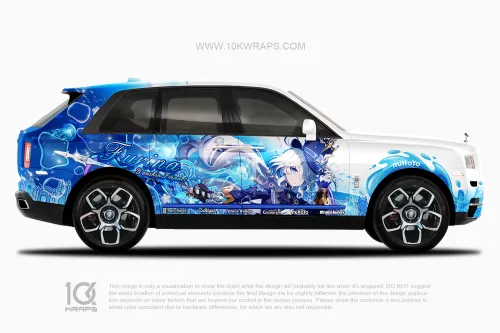
What is an Itasha car wrap?
An Itasha car wrap is a full or partial vinyl wrap featuring large, colorful images inspired by anime, manga, or video games. The word “Itasha” (痛車) blends “itai” (painful) and “sha” (car), originally poking fun at the “painfully” flashy style and sometimes painful costs while celebrating fan culture. Modern Itasha builds range from subtle character motifs to full-coverage art cars.
For cultural background and examples, see a 2025 overview on how the style spread within global automotive scenes in Speedway Media’s “Itasha Wraps: Where Anime Meets Asphalt” and an accessible introduction with sample ideas in the Itasha car wraps guide on 10KWRAPS for context and inspiration.
The real question first: how much does an Itasha car wrap cost?
Cost is the top anxiety for most beginners, so let’s tackle it straight away. Major U.S. auto publishers and industry sources align on typical ranges for professional wraps in 2024–2026:
- According to the 2026 update in Car and Driver’s car wrap cost guide, full wraps can start around $2,000 for smaller coupes, with high-end or exotic vehicles running $8,000–$12,000+ depending on complexity and finish.
- J.D. Power’s wrap cost guide (2024) lists many full wraps around $2,000–$4,000, noting wide variability by size and design.
- Edmunds’ 2025 overview cites $2,000–$3,000 for compact sedans and $3,000–$5,000 for larger SUVs.
- Kelley Blue Book’s 2025 article likewise frames $2,000 as a typical starting point, scaling with size, film, and labor.
Industry sources that track shop pricing patterns show similar trends, including partial wraps and panel-only options. Metro Restyling’s 2024 explainer and Vinyl Frog’s 2025 guide both note that partials (hoods/roofs/trunks) often land in the $250–$1,000+ band, and small decals can be far less.
Key price drivers you should expect on a quote:
- Vehicle size and geometry: A compact coupe is faster to wrap than a three-row SUV or a car with intricate curves and deep recesses.
- Film grade and finish: Printed Itasha graphics typically use premium cast printable films (e.g., 3M IJ180mC–class or Avery MPI 1105) with a protective gloss overlaminate. Specialty finishes (chrome, metallic) cost more.
- Design and print complexity: Detailed color management, panel alignment across doors/fenders, and high-resolution art increase proofing time and installer effort.
- Installer expertise and region: Labor is a major portion of cost. Reputable shops, certifications, and high-demand regions carry higher rates.
- Surface condition and prep: Paint correction, badge removal, and old film removal add time and materials.
Sample budget scenarios (U.S., 2026):
| Project scope | Typical range | Notes |
|---|---|---|
| Small decals/panels | $60–$1,500 | Simple graphics, minimal labor; price rises with size and install complexity |
| Partial wrap (hood/roof/trunk/doors) | $500–$2,500+ | Depends on coverage, panel shapes, and design alignment |
| Full wrap: sedan/coupe | $2,000–$5,000 | Printed art on cast film + gloss laminate; add more for doorjambs or complex geometry |
| Full wrap: SUV/truck | $3,200–$7,000 | Larger surface area; more panels and edges |
| Exotic or chrome/specialty | $8,000–$12,000+ | Complex curves; specialty films; expert labor |
Line‑item cues when comparing quotes:
- Materials: Cast printable film square footage + overlaminate; ink and color‑management costs for high‑saturation anime art.
- Labor hours: Prep (wash/decon/badge removal), install time by panel count, post‑heat and edge sealing, reassembly.
- Design time: Proof rounds, panel map overlays, and any rework for sensor/handle placement.
- Add‑ons: Doorjamb coverage, ceramic coating formulated for vinyl, or paint correction before wrapping.
For deeper cost context, start with the publishers above—Car and Driver (2026), J.D. Power (2024), Edmunds (2025), and KBB (2025)—and scan industry summaries from Metro Restyling and Vinyl Frog.
Is an Itasha car wrap right for you?
A few honest questions can clarify your decision.
- Budget and timeline: Can you invest several thousand dollars for a full wrap (or start smaller with a partial) and wait 2–6 weeks for design, printing, and scheduling? If not, consider decals first.
- Daily driving and parking: Do you street‑park in harsh sun or rely on covered parking? Outdoor, year‑round exposure increases wear; garage storage extends life.
- Maintenance comfort: Are you willing to hand wash, avoid harsh chemicals/brush washes, and wipe contaminants (like fuel or bird droppings) promptly? If not, wrap lifespan may suffer.
- IP confidence: Are you prepared to license artwork or commission original designs? If not, reconsider until you have a clear, legal plan.
- DIY appetite vs. risk: Comfortable with surface prep, heat shaping, and precise trimming? Or is professional installation the safer route?
Micro‑summary: If you can budget for quality materials and pro installation, store the car in shade/indoors when possible, and follow simple care rules, an Itasha car wrap can be a practical and stunning daily driver statement.
Materials and finishes that make an Itasha look great—and last
Most Itasha wraps are printed on premium cast printable vinyl designed for vehicles. Two widely used families are 3M’s IJ180mC series and Avery Dennison’s MPI 1105 series, paired with gloss overlaminates for UV and abrasion protection.
- 3M’s official vehicle application bulletin explains how cast print films are used on cars, trucks, and trailers, with conformability for curves and removability with heat, and how approved film + overlaminate combinations can qualify for 3M’s graphics warranties.
- Avery Dennison’s MPI 1105 Easy Apply RS is a premium gloss white cast printable film. The AP‑region product data sheet notes up to 10 years unprinted vertical durability (overlaminate‑dependent) and removability with heat with little/no residue up to 5 years; the North America SuperCast series PDS lists up to 7 years vertical durability.
- Protective overlaminates deliver the “wet paint” gloss and preserve print vibrancy. Avery’s Digital Overlaminate Solutions overview summarizes high‑gloss and satin options commonly paired with printed wraps.
Why this matters: Cast printable films conform to complex curves, resist shrinkage, and remove cleanly within recommended service windows. Overlaminates protect ink from UV and light abrasion, which is especially important for vivid Itasha art.
For care after installation, 3M’s maintenance instruction bulletin provides practical guidance that aligns with common installer recommendations.
Design and IP basics: the safe path to using anime art
Here’s the deal: placing copyrighted characters across a vehicle is typically not “fair use.” U.S. guidance evaluates fair use by four factors (purpose, nature, amount, and market effect). Decorative, non‑transformative use of creative works on a car can harm the licensing market and is rarely a safe bet.
- Copyright: Favor licensed artwork or original commissions. If you want a specific character, seek permission from the rights holder or use officially licensed art. The U.S. Copyright Office explains how these factors are weighed in its Fair Use overview.
- Trademarks: Logos and brand marks can raise separate risks under the Lanham Act’s false endorsement and confusion provisions; see Cornell Law’s summary of 15 U.S.C. §1125.
- Safety/visibility: Don’t cover required lights, reflectors, or the license plate area; these must remain unobstructed to comply with federal lighting standards. NHTSA interpretations under FMVSS 108 emphasize that required lamps and reflectors cannot be impaired; a 2024 interpretation clarifies how minimum lens area is considered under certain certification options—start with this NHTSA interpretation.
Action tip: Before you pay for printing, confirm you have clear rights to the artwork and that your design avoids covering functional lighting or sensors.
Installation options and process: DIY vs. pro, and what actually happens
Printed Itasha wraps add complexity to installation because artwork must align perfectly across panels. Most beginners do well with professional installers for full wraps, while skilled DIYers may start with decals or a single panel.
DIY vs. pro—how to decide:
- Choose DIY for: small decals, single flat panels, and practice projects. You’ll need patience and proper tools (heat gun, squeegees with felt edges, knifeless cutting tape, isopropyl alcohol, microfiber towels, gloves, magnets/tape, and a clean, dust‑controlled workspace).
- Choose pro for: full‑vehicle wraps, complex curves/recesses, printed panel alignment, and when you want warranty coverage and a showroom‑level finish.
What a professional install typically includes:
- Inspection and quoting: Assess paint condition, geometry, and design alignment challenges; finalize scope (doorjambs or not, trim removal, edge sealing).
- Prep and disassembly: Thorough wash, decontamination, badge/trim removal where agreed.
- Panel‑by‑panel install: Position printed panels to align art, then apply with controlled heat to relax film into curves. Squeegee from center out to expel air through micro air‑release channels.
- Edge management: Tuck, wrap, and seal edges; use primer where specified for recesses; post‑heat to lock memory.
- Quality check and cure time: Review seams and edges; keep the car dry and parked for the first 48–72 hours.
Timelines: A full wrap often takes 1–3 working days once on the installer’s schedule; complex vehicles or doorjamb coverage can add time. Major auto publishers point out that labor is the dominant cost—expert time on geometry, edges, and alignment is what you’re paying for (see the labor emphasis in Car and Driver’s guide and corroborating buyer advice from Edmunds).
Installer vetting mini‑checklist:
- Portfolio fit: Look for prior printed character wraps or complex graphics alignment examples.
- Materials transparency: The shop should specify exact film and overlaminate families and share product data sheets on request.
- Environment and warranty: Ask about their dust control, post‑heat procedures, and workmanship warranty (what’s covered and for how long).
- After‑care guidance: Expect written care instructions that align with manufacturer bulletins and a contact for touch‑ups.
Care, longevity, and removal: what to expect over years of use
Care basics (manufacturer‑aligned):
- Wait 48–72 hours before washing (Avery typically 48 hours; 3M often recommends 72 hours). Hand washing is preferred.
- Avoid brush car washes and abrasive polishes. Use gentle cleaners and microfiber towels.
- Wipe off contaminants quickly (fuel, bird droppings, tree sap). Store indoors or in shade when possible.
For detailed guidance, see 3M’s maintenance instruction bulletin and Avery Dennison’s cleaning and maintenance bulletin.
Lifespan and durability:
- For daily drivers, many installers and industry sources cite about 3–5 years as a practical expectation for printed wraps, depending on climate, exposure, driving/parking habits, and maintenance. Premium cast films in favorable conditions can last longer (vertical surfaces often outlast horizontal), but plan conservatively.
Removal and paint safety:
- Premium cast printable films are designed for clean removability with heat within recommended service windows when applied to sound OEM paint. Avery’s MPI 1105 data sheet notes removability with little/no residue up to five years in typical conditions—see the AP MPI 1105 PDS.
- Risks rise with repainted or damaged panels, prolonged neglect, and edge contamination. If you’re approaching the 5‑year mark in harsh sun, plan removal before the film becomes brittle.
What removal looks like (timing and cost):
- Timing: A shop may allot 3–6 hours for a typical sedan’s wrap removal, longer for SUVs or if adhesive has aged. Heat and steam tools speed the process.
- Cost: Expect $300–$1,000+ depending on vehicle size, film age, and whether adhesive cleanup is required. Ask the shop for a separate removal quote at install time.
Storage tip: Covered or indoor parking is the single biggest “free” extender of wrap life.
Case‑style example: from idea to installed Itasha (with a neutral brand reference)
Disclosure: 10KWRAPS is our product. The following example is provided for learning purposes, using a neutral, non‑promotional mention consistent with their public site claims.
Scenario: A first‑time owner wants a tasteful Itasha car wrap on a daily‑driven sedan without legal headaches.
- Concept and rights: The owner picks a theme and commissions original artwork to avoid licensing risks. They agree on character poses sized for doors and quarter panels, plus a background gradient.
- Material choices: The installer recommends a premium cast printable film (such as a 3M IJ180mC‑class film or Avery MPI 1105) paired with a high‑gloss overlaminate (e.g., a 3M gloss overlaminate or Avery DOL Max) for a vibrant finish and UV protection. The owner accepts, prioritizing print fidelity and clean removability.
- Design proofing: A provider like 10KWRAPS can create panel‑accurate proofs showing where art will fall across doors, handles, and fuel cap. The owner requests minor adjustments to avoid cutting through facial features at door gaps and to keep sensors clear. For culture background at this stage, the Itasha car wraps guide is a handy reference. If you’re deciding between a wrap and repaint on maintenance grounds, the anime wrap vs. paint comparison on 10KWRAPS outlines upkeep differences.
- Printing and logistics: After approval, the design is printed on cast film and laminated. If ordering printed panels from a provider, the 10KWRAPS FAQs indicate free worldwide shipping with typical transit windows (7–15 business days). The installer schedules a 2‑day slot.
- Installation: The shop disassembles trim where needed, aligns printed panels, and post‑heats edges. The car remains parked for 72 hours before the first hand wash.
Budget and timeline snapshot (U.S. sedan): $2,500–$4,500 for a full printed wrap (inclusive of materials, print, and labor) with 2–6 weeks total from concept to installation depending on design revisions and shop scheduling. These figures align with ranges reported by major auto publishers and industry guides.
Where a provider helps: A shop or print provider like 10KWRAPS offers pre‑fit templates, custom design services, and clear after‑sales policies—useful for beginners who want design proofs and predictable shipping.
FAQs: Straight answers to common beginner questions
Does an Itasha car wrap damage factory paint?
- Quality wraps applied to sound OEM paint are designed to remove cleanly with heat within service windows. Risks increase with repainted or damaged surfaces and poor maintenance. When in doubt, ask your installer to inspect and advise.
How long will an Itasha car wrap last?
- Plan on 3–5 years for daily drivers, longer with careful maintenance and shaded storage. Vertical panels typically outlast horizontal ones.
Is a wrap legal everywhere?
- You must respect copyright and trademark rights (license artwork or use original designs), and you cannot obstruct required lights, reflectors, or the plate area. Check state and local vehicle codes for any additional restrictions.
What about winter and harsh climates?
- Wraps handle cold and heat when installed and maintained correctly, but freeze–thaw cycles, road salt, and intense sun accelerate wear. Rinse more often in winter and consider a ceramic sealant designed for wraps if your installer approves.
Can I DIY a full Itasha wrap?
- Skilled DIYers can attempt it, but printed panel alignment across curves is unforgiving. Most beginners start with decals or a single panel, then graduate to partial or full wraps with professional help.
How does a wrap compare to paint for maintenance?
- Wraps generally prefer gentle hand washing and mild cleaners; aggressive polishing methods suited to hard clear coats can damage film.
Next steps: your path from idea to driveway
If you’re ready to explore an Itasha car wrap, take these steps: set a realistic budget, decide on partial vs. full coverage, and secure rights to your artwork. If you want help translating an idea into panel‑perfect print files and proofs, you can review designs or request a custom concept from 10KWRAPS, then book installation with a reputable local pro.