7 Astonishing Advantages of an Aluminum Pick Up Canopy You Can’t Ignore


Excerpt: Looking to upgrade your truck with improved storage, better security, and a sleek design? An aluminum pick up canopy might be exactly what you need. Discover the many benefits of aluminum canopies, learn about key considerations for pickup canopy installation, and explore the impact on fuel efficiency, durability, and overall truck functionality.
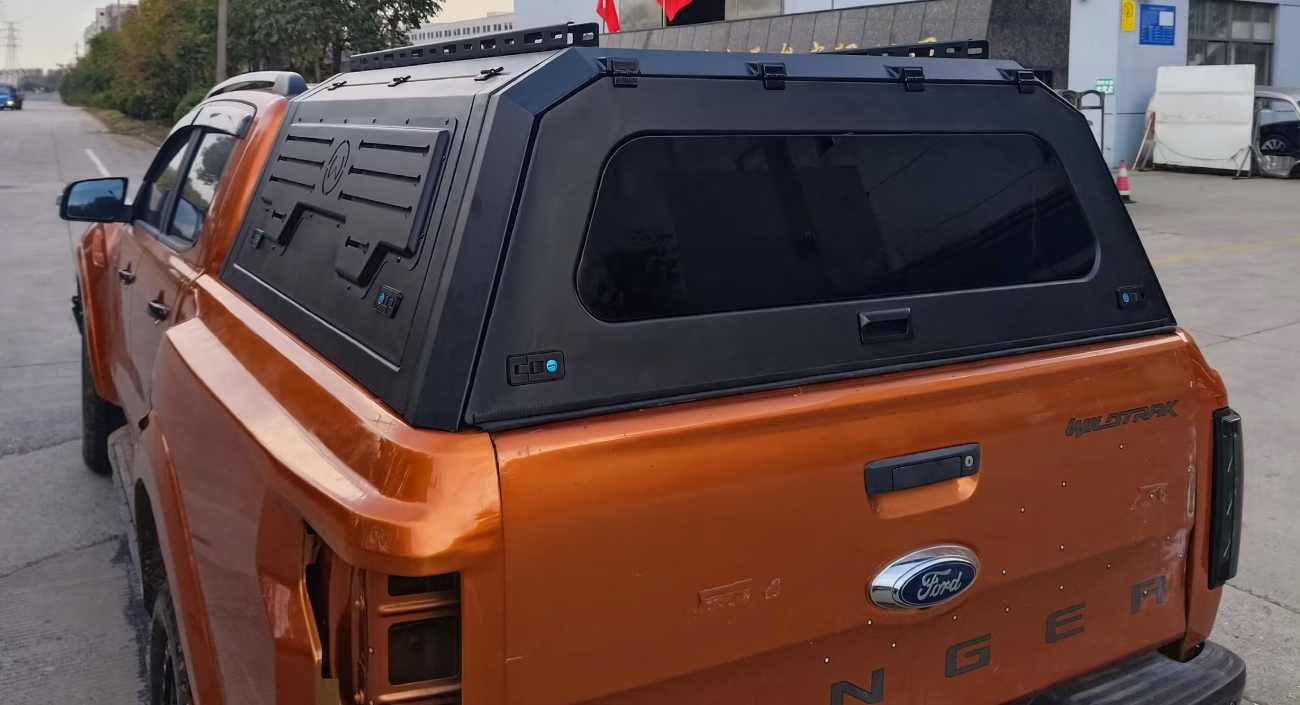
Key Takeaways
- Lightweight Strength: An aluminum pick up canopy offers a highly favorable strength-to-weight ratio, boosting payload capacity and improving fuel efficiency.
- Corrosion Resistance: Aluminum’s natural oxide layer protects against rust, making it ideal for outdoor adventures and harsh climates.
- Design Flexibility: From custom compartments to integrated racks, an aluminum truck cap can be tailored for work, recreational travel, or everyday use.
- Ease of Maintenance: Simple cleaning routines and protective coatings ensure your canopy remains functional and visually appealing over time.
- Long-Term Value: While initial costs may be higher than alternative materials, the canopy’s durability and longevity often yield substantial return on investment.
- Sustainability: Aluminum is recyclable, reducing environmental impact and aligning with eco-friendly initiatives.
- Professional vs. DIY Installation: Proper pickup canopy installation is critical for performance, sealing, and structural integrity.
Table of Contents
- 1. Introduction
- 2. Quick Comparison Table: Aluminum vs. Other Canopy Materials
- 3. Why Choose an Aluminum Pick Up Canopy?
- 4. Core Benefits of an Aluminum Canopy
- 5. Design, Engineering, and Installation Considerations
- 6. Real-World Applications and Case Studies
- 7. Maintenance, Sustainability, and Future Trends
- 8. Frequently Asked Questions (FAQ)
- 9. Conclusion
- 10. References
2. Quick Comparison Table: Aluminum vs. Other Canopy Materials
| Feature | Aluminum Pick Up Canopy | Fiberglass Canopy | Steel Canopy |
|---|---|---|---|
| Weight | Light (Approx. 30–50% lighter than steel) | Moderate (Heavier than aluminum, lighter than steel) | Heavy (High-density metal construction) |
| Corrosion Resistance | Excellent due to natural oxide layer | Good but may fade or crack over time | Prone to rust without protective coatings |
| Maintenance | Minimal cleaning, occasional re-polishing | May require refinishing; gel coat can degrade | Frequent rust checks, repainting for long-term use |
| Cost | Moderate–High initial cost | Moderate initial cost | Can be affordable, but with higher long-term upkeep |
| Durability & Strength | High strength-to-weight ratio | Strong shell but can crack under heavy impact | Sturdy but very heavy, affects fuel consumption |
The table above provides a broad look at how an aluminum pick up canopy compares to other popular truck canopy materials. Although steel or fiberglass can meet certain needs, the aluminum canopy benefits often make it a top choice, particularly for drivers emphasizing fuel efficiency, payload flexibility, and long-term durability.
1. Introduction
Pickup trucks have evolved from simple workhorses to versatile vehicles that cater to both professional and recreational needs. Consequently, accessories like truck canopies—often called toppers or covers—have become integral for enhancing storage, organizing equipment, and protecting cargo from theft or harsh weather conditions. Among these accessories, the aluminum pick up canopy stands out for its exceptional durability, lightweight characteristics, and design versatility (Miller & Sanders, 2021).
According to the National Truck Equipment Association (NTEA, 2022), nearly 65% of recent pickup truck buyers considered adding a canopy or cover to their vehicles to safeguard equipment, improve aerodynamics, or simply expand their truck’s functionality. This statistic highlights the rising demand for robust, easy-to-maintain solutions that suit various lifestyles—ranging from construction or fleet services to overland adventures and weekend camping trips.
In this comprehensive guide, we delve into the science behind aluminum’s metallurgical properties, explore the fundamental engineering considerations, compare alternative materials, and discuss real-world aluminum canopy benefits. Whether you’re a contractor seeking reliable cargo security or an outdoor enthusiast needing to protect your gear, understanding how an aluminum truck cap fits into your vehicle setup is essential for making an informed purchase.










3. Why Choose an Aluminum Pick Up Canopy?
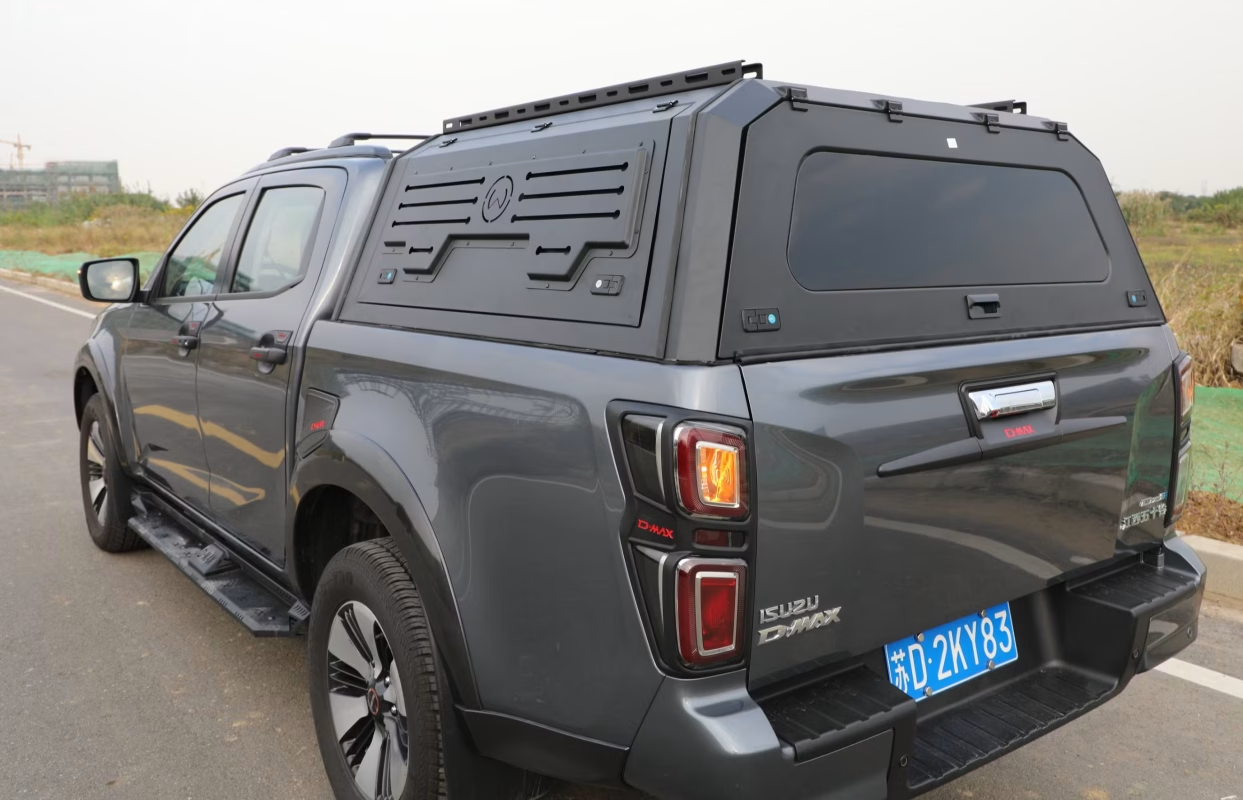
One of the primary reasons the aluminum pick up canopy has become a go-to upgrade stems from its unique material properties. Aluminum alloys boast a remarkable balance between strength and weight, allowing these canopies to manage heavy loads without excessively straining your vehicle. This factor alone yields distinct advantages in fuel economy, cargo capacity, and long-term performance.
Additionally, aluminum’s natural corrosion resistance means that your canopy remains resilient against rust or structural degradation (Aluminum Association, 2023). The protective oxide layer that forms on the metal’s surface effectively shields it from moisture, salt, and other corrosive elements. Consequently, you’ll spend far less time dealing with tedious maintenance or part replacements.
Another reason behind aluminum’s popularity is sustainability. Modern manufacturing processes emphasize eco-conscious production, recycling, and reduced carbon footprints. Aluminum can be remelted and reused multiple times without losing its core properties, thus aligning with efforts to minimize landfill waste and conserve natural resources (Miller & Sanders, 2021). In an era where consumers often factor in environmental impact, choosing an aluminum pick up canopy can be seen as a responsible, future-proof decision.
4. Core Benefits of an Aluminum Canopy
While cost, brand preferences, and specific truck dimensions shape one’s ultimate choice, the essential advantages of aluminum are worth spotlighting. Below, we dive deeper into how the metal’s inherent qualities translate to practical gains for your truck.
A. Lightweight Construction with High Strength
Despite steel’s reputation for sturdiness, aluminum alloys used in an aluminum truck cap can rival steel’s structural integrity while significantly reducing mass. By selecting aluminum over heavier alternatives, you’ll reduce the overall load on your rear axle. This is particularly advantageous if you frequently carry heavy tools, off-road gear, or commercial equipment. Reduced weight typically correlates with better fuel mileage, lower brake wear, and minimized stress on suspension components (Fleet Management Magazine, 2021).
B. Exceptional Corrosion Resistance
Rust can drastically shorten the lifespan of accessories built from ferrous metals. In humid or coastal environments, salt-laden air accelerates corrosion on steel canopies, leading to unsightly rust patches and structural concerns. Aluminum’s natural oxide coating combats this by inhibiting corrosion from the outset (Johnson, 2020). This translates into minimal paint chipping, a more reliable seal over the long term, and a consistently clean, rust-free exterior—an attractive proposition for both professional fleets and personal vehicles.
C. Enhanced Security and Weatherproofing
Many aluminum canopy benefits hinge on thoughtful design elements such as reinforced corners, robust locking mechanisms, and precisely sealed window edges. Modern canopies often come with high-grade locks that deter casual theft, while solid weatherproofing keeps cargo dry in rain or snow. Whether you transport power tools for work or fishing rods for a weekend trip, secure storage fosters peace of mind (Smith et al., 2022).
D. Versatile Customization Options
Because aluminum is relatively easy to bend, cut, and weld, manufacturers can produce a broad spectrum of designs—ranging from standard enclosed toppers to specialized overland rigs with built-in compartments and sliding shelves. Some companies also offer canopy compartments tailored for cooking gear, firearms storage, or technical equipment. For aesthetic customization, you can opt for a color match with your truck’s paint or a protective wrap from a trusted provider like 10kwraps.com to keep the canopy’s surface pristine.
E. Eco-Friendly Profile
Many truck owners find themselves weighing environmental impact alongside functionality and cost. Aluminum’s recyclability stands out here: roughly 75% of all aluminum ever produced is still in use (Aluminum Association, 2023). By purchasing an aluminum pick up canopy, you can tap into a circular economy model, reducing your carbon footprint. Additionally, any future disposal or repurposing is straightforward, minimizing waste.
5. Design, Engineering, and Installation Considerations
A high-quality pickup canopy installation goes beyond simply placing a topper on your truck. It involves understanding the canopy’s engineering, matching it to your vehicle’s dimensions, and ensuring the attachment points and seals are properly aligned. Here are key areas to consider.
A. Structural Design and Attachment Methods
Most aluminum canopies are constructed using tubular frames or extrusions that reinforce edges and maintain rigidity. Thin but robust aluminum panels fill the frame, creating a balance between interior volume and external support. Typically, these canopies attach via clamps or bolted brackets along the truck bed’s rail, preventing unwanted movement during transit (Off-Road Journal, 2020).
Some manufacturers employ specialized bolt-on systems featuring heavy-duty hardware, which is generally more secure but requires drilling holes into the bed rails. Clamping offers a no-drill alternative, although it may necessitate periodic re-checking of tightness. Evaluating your load requirements and comfort with light modifications will help you choose an appropriate system.
B. Load Ratings, Safety, and Testing
Before finalizing any aluminum pick up canopy purchase, check the specified load ratings. Manufacturers often distinguish between static (parked) load capacity and dynamic (in-motion) ratings (Miller & Sanders, 2021). For instance, a canopy that can hold 400 pounds in static conditions—handy if you plan to mount a rooftop tent—may only support around half that weight while driving over uneven terrain. Reputable brands subject their canopies to mechanical stress tests and, in some cases, crash simulations to ensure occupant and cargo safety.
C. Professional vs. DIY Installation
When exploring pickup canopy installation, you might debate whether to handle the process yourself or hire a professional. DIY installs can save money and allow you to work on your own timetable. However, you risk improper alignment and sealing, especially if the truck bed is not perfectly square or if the canopy requires specialized brackets. Hiring an experienced installer ensures correct placement, water-tight sealing, and compliance with warranty conditions. This is especially crucial if your canopy includes extras like electrical wiring for interior lighting or third brake lights.
D. Additional Accessories and Upgrades
Beyond basic installation, many owners invest in canopy upgrades such as side access doors, integrated roof racks, or even pop-up roof conversions for camping. Some models incorporate sliding windows with insect screens, allowing you to ventilate the bed area while preventing bugs from entering. These add-ons can significantly enhance the functionality of your aluminum truck cap—but do keep an eye on weight limits and overall structural compatibility.
6. Real-World Applications and Case Studies
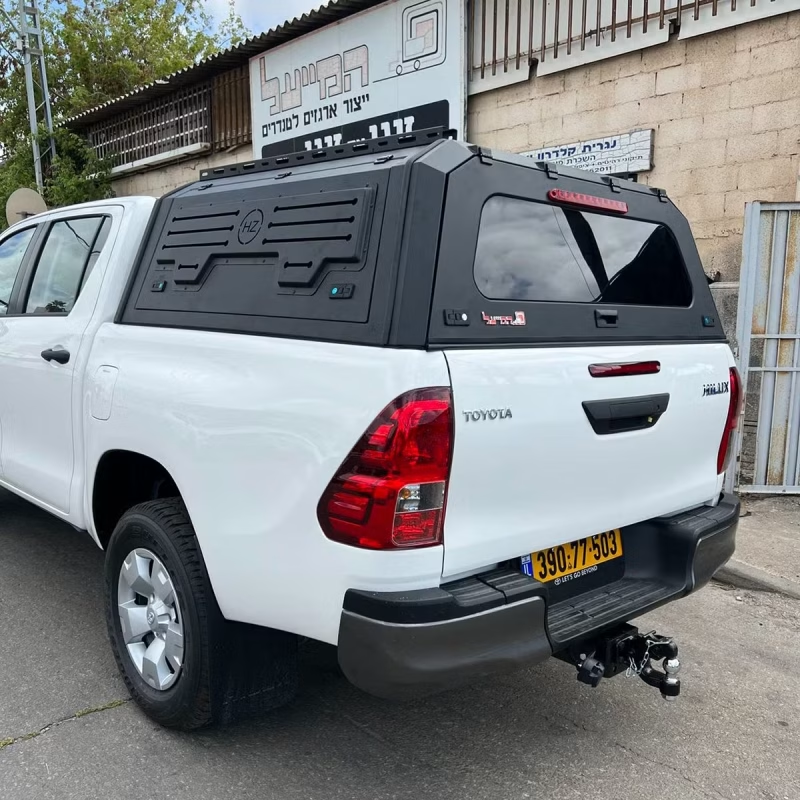
A. Commercial Fleets and Contractors
Tradespeople, utility companies, and fleet managers frequently opt for aluminum canopies. The reason is straightforward: they provide secure, lockable storage that shields tools from theft and weather damage, without imposing excessive weight (Fleet Management Magazine, 2021). This is especially beneficial for mobile work crews or industries reliant on rapid equipment deployment, such as plumbing, electrical, or roadside assistance services.
B. Overlanding and Outdoor Recreation
Interest in overlanding—self-reliant vehicle-based travel—has soared in recent years. Adventurers appreciate how an aluminum pick up canopy can handle rugged backcountry terrain while offering space for a rooftop tent, spare tires, and essential recovery gear. Properly sealed canopies keep dust and mud at bay, ensuring your sleeping space and supplies remain clean. Some overland setups feature integrated kitchens and pull-out drawers built into the canopy structure, adding a layer of convenience (Smith et al., 2022).
C. Family and Everyday Use
Even if you’re not part of a commercial fleet or an off-road enthusiast, an aluminum canopy can simplify day-to-day tasks. Families can carry sports equipment, strollers, and luggage without cluttering the cabin. Coupled with child seats and weekend grocery runs, this arrangement fosters a well-organized, safer environment for both passengers and possessions. With color-matching paint or a stylish wrap from 10kwraps.com, the canopy complements the vehicle’s overall appearance seamlessly.
D. Notable Case Study
In a 2021 study, a major construction company replaced their aging steel truck canopies with modern aluminum units across a fleet of 50 vehicles (Fleet Management Magazine, 2021). Within 12 months, they reported a 9% average increase in fuel efficiency due to the lighter load, alongside a 20% reduction in rust-related maintenance. Workers praised the improved access to tools and secure compartments, ultimately enhancing job-site productivity.
7. Maintenance, Sustainability, and Future Trends
A. Maintenance Routines
Keeping an aluminum pick up canopy in top condition demands only minor effort. Regularly rinse off dirt and road grime with water. Use non-abrasive cleaners or mild soap to maintain a spotless surface. For interior cleaning—especially if you store wet or muddy gear—install removable mats or liners that can be easily washed. Periodically check for loose brackets, worn rubber seals, and potential friction points. Lubricate hinges and latches to maintain smooth operation (Johnson, 2020).
B. Protective Coatings and Wraps
Although aluminum is inherently corrosion-resistant, applying extra layers of protection can enhance both longevity and aesthetics. Powder coating adds a durable, uniform finish in practically any color, while anodizing deepens the metal’s oxide layer for even better scratch-resistance. Alternatively, advanced vinyl wraps from 10kwraps.com can safeguard the exterior from UV rays, minor abrasions, and chemical exposure. These wraps not only preserve the canopy’s integrity but also allow for custom branding or design elements.
C. Environmental and Sustainability Factors
Aluminum’s eco-friendly profile extends beyond its recyclability. Innovations in smelting technology are lowering the carbon footprint associated with aluminum production, and many manufacturers use hydroelectric or other renewable power sources for part of the process (Aluminum Association, 2023). By choosing an aluminum truck cap, you contribute to sustainable material cycles, reduce greenhouse gas emissions over time (due to lighter vehicle weight), and still gain robust functionality for your day-to-day or commercial needs.
D. Future Innovations
Looking ahead, the aluminum canopy market is expected to embrace further customization, including modular attachments such as removable storage bins, integrated solar panels for off-grid power, and advanced sensor-driven safety locks (Miller & Sanders, 2021). We might also see the rise of “smart canopies” that auto-lock when you move out of Bluetooth range or alert you via smartphone if the canopy doors have been left unlocked. Such developments underscore how swiftly technology and user preferences shape the next generation of truck canopy solutions.
8. Frequently Asked Questions (FAQ)
1. How much weight can an aluminum pick up canopy support?
Load capacity varies widely by brand and model. Static load ratings (for parked scenarios) can sometimes exceed 400–500 pounds, making them ideal for rooftop tents. However, dynamic load capacity (while driving) is typically lower. Always consult manufacturer specifications to avoid overloading.
2. Will installing an aluminum canopy void my truck’s warranty?
In most cases, adding a canopy does not void the vehicle warranty. However, drilling holes or making structural modifications might affect coverage. Check your truck manufacturer’s guidelines and, if necessary, consult with both the canopy installer and dealership.
3. Are aluminum canopies noisy on highways or rough roads?
Properly installed canopies with secure clamping or bolting systems minimize rattling. High-quality rubber seals and weather stripping reduce wind noise. If you notice unusual sounds, inspect mounting hardware and seals for correct tension and alignment.
4. Can I install an aluminum canopy on my own?
Yes, many models come with detailed instructions for a DIY approach. However, professional installation ensures precise alignment, better sealing against leaks, and compliance with potential warranty or insurance requirements. Complex setups with electrical components may benefit greatly from pro services.
5. How do I maintain the exterior finish over time?
Routine washing with mild soap and water is sufficient. If you opt for paint or powder coating, treat the surface as you would a car’s exterior—polish and wax periodically. For an additional layer of protection or unique design, consider specialized vinyl wraps from 10kwraps.com. Inspect for scratches or chips in protective coatings to prevent moisture intrusion, though aluminum inherently resists significant corrosion.
9. Conclusion
An aluminum pick up canopy represents a versatile, long-lasting upgrade for anyone seeking better organization, enhanced security, and improved vehicle performance. Balancing a lightweight build with impressive structural robustness, these canopies excel in resisting rust, carrying substantial cargo loads, and adapting to a variety of usage scenarios—from fleet operations to leisure travel.
While initial outlays may surpass those for fiberglass or basic steel canopies, the cost is offset by the canopy’s longevity, superior fuel economy, and minimal upkeep requirements. By opting for protective coatings or installing a custom wrap from 10kwraps.com, you ensure your canopy remains resilient and aesthetically appealing for years. Whether you’re a contractor storing essential tools, an off-roader planning extended overland expeditions, or a family in need of additional cargo space, investing in a high-quality aluminum truck cap can profoundly enhance the functionality and value of your pickup.
10. References
- Aluminum Association. (2023). Aluminum Industry Statistics and Sustainability.
https://www.aluminum.org/ - Fleet Management Magazine. (2021). Improving Fuel Efficiency Through Weight Reduction.
https://www.fleetmanagement.com/ - Johnson, D. (2020). The Role of Corrosion Resistance in Automotive Components.
Journal of Automotive Materials, 46(2), 145–160.
http://www.jautomaterialsjournal.org/role-of-corrosion
- Miller, A., & Sanders, B. (2021). Advancements in Aluminum Alloys for Vehicle Accessories.
Metals & Engineering Quarterly, 27(4), 220–235.
http://www.memetalsquarterly.org/aluminum-alloys
- NTEA. (2022). Truck Equipment and Trends Report.
https://www.ntea.com/ - Off-Road Journal. (2020). Evaluating Load Capacities in Modern Truck Canopies.
12(3), 65–78.
http://www.offroadjournal.org/load-capacity-evaluation
- Smith, R., Hughes, T., & Lock, E. (2022). Overlanding Essentials: Canopy Configurations and Cargo Management.
Outdoor Engineering Journal, 18(1), 44–59.
http://www.outdoorengineeringjournal.org/overlanding-canopies