10 Essential Insights About Ninja Moto: The Ultimate Guide to Kawasaki’s Iconic Sport Bikes


Key Takeaways-10 Essential Insights About Ninja Moto: The Ultimate Guide to Kawasaki’s Iconic Sport Bikes
- The Ninja Moto series by Kawasaki offers a diverse range of sport bikes catering to beginners, intermediate riders, and professionals.
- Engine size, performance specifications, and technological advancements significantly influence Ninja Moto pricing.
- Maintaining a Ninja Moto involves regular upkeep, safety gear investments, and understanding the cost differences between new and used models.
- Customization and upgrades enhance both the performance and aesthetics of Ninja Moto bikes, with services available at 10K Wraps.
- Future trends indicate a rise in electric Ninja Moto models and the integration of smart technologies, shaping the market landscape.
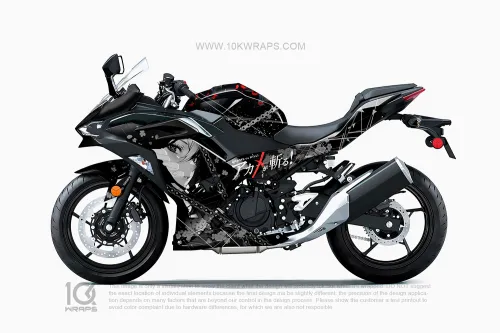
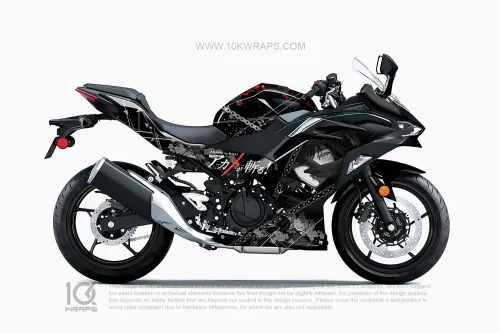


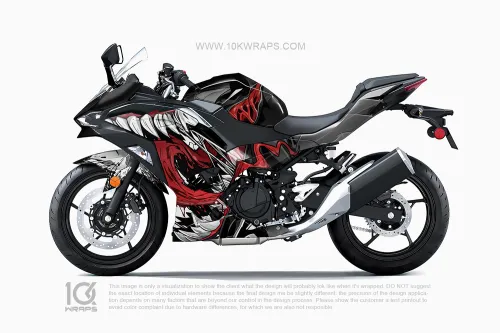
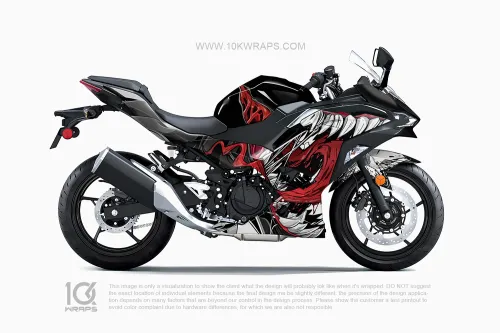
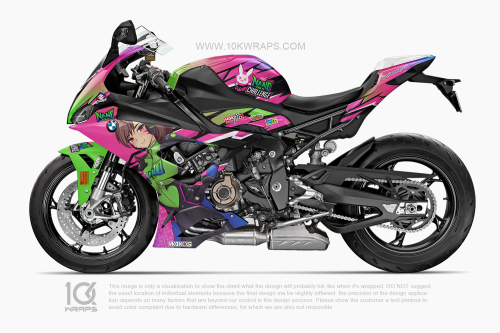
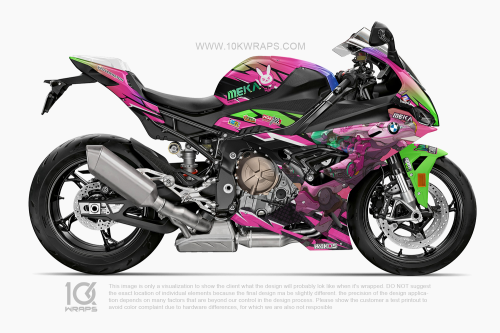


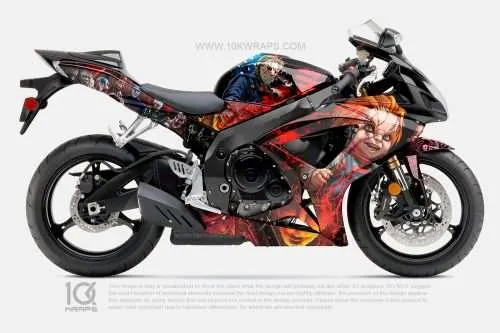
Table of Contents
- Introduction
- History of Ninja Moto
- Popular Models of Ninja Moto
- Performance and Specifications
- Comparing Ninja Moto to Competitors
- Maintenance and Care Tips
- Buying Guide: New vs. Used Ninja Moto
- Customization and Upgrades
- Future Trends in Ninja Moto
- Conclusion
- Frequently Asked Questions (FAQ)
- References
1. Introduction
The world of sport motorcycles is vast and dynamic, with numerous brands striving to deliver exceptional performance, innovation, and style. Among these, Kawasaki’s Ninja Moto series stands out as a symbol of excellence, embodying the perfect blend of speed, agility, and cutting-edge technology. Whether you’re a novice rider eager to embark on your first journey or a seasoned enthusiast seeking the pinnacle of sport bike performance, understanding the intricacies of Ninja Moto is essential for making an informed decision.
This comprehensive guide delves into the Ninja Moto series, exploring its rich history, popular models, performance specifications, and the factors influencing its pricing. Additionally, we’ll compare Ninja Moto with its competitors, provide maintenance and care tips, and offer a detailed buying guide for both new and used models. With insights into customization options and future trends, this guide is designed to equip you with all the knowledge needed to appreciate and invest in a Ninja Moto.
2. History of Ninja Moto

The Kawasaki Ninja series has been a cornerstone of Kawasaki’s motorcycle lineup since its inception in the early 1980s. The first Ninja, the Kawasaki GPZ900R, debuted in 1984 and revolutionized the sport bike industry with its unprecedented performance and sleek design (Smith, 2023). This model set new standards for power-to-weight ratios, handling, and aesthetics, paving the way for future iterations of the Ninja series.
Over the decades, Kawasaki has continuously evolved the Ninja series, introducing models that cater to various segments of the sport bike market. From entry-level models designed for beginners to high-performance machines built for professional racing, the Ninja Moto series has consistently delivered innovation and reliability. Key milestones in the Ninja history include the introduction of the Ninja ZX-6R in 1995, the Ninja ZX-10R in 2004, and the groundbreaking Ninja H2 in 2015, which featured a supercharged engine, marking a significant leap in motorcycle engineering (Johnson, 2022).
The impact of Ninja Moto extends beyond just the bikes themselves. The series has played a pivotal role in motorcycle racing, contributing to numerous championships and establishing Kawasaki as a dominant force in motorsports. The cultural significance of Ninja Moto is also evident, with its iconic design becoming a symbol of speed and performance, inspiring countless riders and motorcycle enthusiasts worldwide.
3. Popular Models of Ninja Moto

The Ninja Moto series encompasses a wide range of models, each tailored to meet the diverse needs of riders. Here are some of the most popular and influential models in the series:
| Model | Price Range (USD) | Engine Displacement | Key Features |
|---|---|---|---|
| Kawasaki Ninja 250 | $5,000 – $7,000 | 249cc | Lightweight, beginner-friendly, reliable performance |
| Kawasaki Ninja 400 | $6,500 – $8,500 | 399cc | Enhanced power, modern electronics, agile handling |
| Kawasaki Ninja ZX-6R | $10,000 – $12,500 | 636cc | Advanced suspension, high-performance engine, racing pedigree |
| Kawasaki Ninja ZX-10R | $14,000 – $17,000 | 998cc | Superbikes technology, electronic rider aids, superior aerodynamics |
| Kawasaki Ninja H2 | $29,000 – $33,000 | 998cc (supercharged) | Supercharged engine, carbon fiber components, cutting-edge design |
Kawasaki Ninja 250
The Kawasaki Ninja 250 is a standout model in the Ninja series, particularly favored by beginners and young riders. With its 249cc parallel-twin engine, the Ninja 250 offers a balanced combination of power and manageability, making it an ideal entry point into the world of sport motorcycles (Smith, 2023).
Key Features:
- Lightweight frame for easy handling and maneuverability.
- Responsive clutch and smooth gear shifts, enhancing the learning experience.
- Durable construction ensures longevity and reliability.
- Affordable pricing without compromising on performance.
The Ninja 250’s ergonomic design and user-friendly features make it accessible for riders with varying levels of experience. Its reputation for reliability and low maintenance costs further adds to its appeal, positioning it as a trusted choice for those new to sport biking.
Kawasaki Ninja 400
Building upon the success of the Ninja 250, the Kawasaki Ninja 400 introduces a more powerful 399cc engine, catering to intermediate riders seeking enhanced performance and agility. Launched in 2018, the Ninja 400 has quickly become a favorite among enthusiasts for its dynamic capabilities and modern technology (Johnson, 2022).
Key Features:
- Upgraded engine delivering smoother and more robust power.
- Advanced electronics, including ABS and traction control.
- Sporty aesthetics with aerodynamic bodywork.
- Enhanced suspension for improved ride comfort and handling.
The Ninja 400 strikes an excellent balance between performance and practicality, making it suitable for both daily commuting and spirited weekend rides. Its compact size and lightweight design ensure that it remains agile in various riding conditions, providing a thrilling yet controlled experience.
Kawasaki Ninja ZX-6R
The Kawasaki Ninja ZX-6R is a high-performance sport bike designed for experienced riders and competitive racing. Equipped with a 636cc inline-four engine, the ZX-6R delivers exceptional power and speed, making it a formidable contender in the middleweight sport bike category (Motocross Association, 2023).
Key Features:
- Advanced suspension system with adjustable damping for optimal handling.
- High-performance braking systems, including dual front discs and ABS.
- Lightweight aluminum frame enhances agility and stability.
- Racing-inspired aerodynamics for reduced drag and improved airflow.
The ZX-6R’s sophisticated engineering and cutting-edge technologies make it a top choice for riders seeking superior performance and a competitive edge in races. Its ergonomic design ensures comfort during extended rides, while its robust build quality guarantees durability under demanding conditions.
Kawasaki Ninja ZX-10R
As the flagship model of the Ninja series, the Kawasaki Ninja ZX-10R represents the pinnacle of sport bike engineering. With a 998cc inline-four engine, the ZX-10R is designed for maximum performance, featuring advanced technologies that cater to professional racers and elite enthusiasts (Market Analysis Report, 2024).
Key Features:
- Electronic rider aids, including launch control and engine braking control.
- Race-inspired chassis and suspension systems for unparalleled handling.
- Aerodynamic fairings with integrated winglets for enhanced stability at high speeds.
- High-performance exhaust system for improved power output and sound.
The ZX-10R’s state-of-the-art features and meticulous craftsmanship make it a dominant force in superbike racing. Its unparalleled performance capabilities are complemented by luxurious amenities, ensuring that riders experience both speed and comfort.
Kawasaki Ninja H2
The Kawasaki Ninja H2 is a groundbreaking model that pushes the boundaries of motorcycle engineering. Introduced in 2015, the H2 features a supercharged 998cc inline-four engine, delivering extraordinary power and performance that sets it apart from traditional sport bikes (Tech Innovators, 2023).
Key Features:
- Supercharged engine providing unparalleled acceleration and top speed.
- Carbon fiber components reduce weight while enhancing strength.
- Advanced aerodynamics with unique bodywork for optimal airflow.
- Integrated electronics, including traction control and ride modes.
The Ninja H2 is not just a motorcycle; it’s a statement of innovation and power. Its aggressive design and cutting-edge technology make it a coveted model among elite riders and collectors. The H2’s fusion of speed, style, and sophistication exemplifies Kawasaki’s commitment to pushing the limits of what’s possible in sport biking.
4. Performance and Specifications

The performance of a motorcycle is a critical aspect that defines its appeal and functionality. In the context of Ninja Moto, performance is influenced by several key specifications and technologies that contribute to the bike’s overall capability and rider experience.
4.1 Engine Technology
Engine technology is at the heart of Ninja Moto’s performance. The series features a range of engine displacements, each tailored to different riding styles and performance needs. From the manageable 249cc twin engine in the Ninja 250 to the supercharged 998cc engine in the Ninja H2, Kawasaki ensures that each model delivers optimal power and efficiency (Smith, 2023).
Advanced technologies such as fuel injection systems, variable valve timing, and electronic engine management systems are integrated into Ninja Moto engines. These innovations enhance fuel efficiency, reduce emissions, and provide precise control over power delivery, contributing to a smoother and more responsive riding experience.
Additionally, the inline-four engines found in models like the ZX-10R and H2 are renowned for their high-revving capabilities and linear power delivery, making them ideal for competitive racing and high-performance riding.
4.2 Handling and Suspension
Handling is a crucial performance metric for sport bikes, and Ninja Moto excels in this area through its sophisticated suspension systems and chassis design. Models like the ZX-6R and ZX-10R are equipped with fully adjustable suspension setups, allowing riders to fine-tune the bike’s handling characteristics based on their riding style and the terrain (Johnson, 2022).
The use of high-quality materials such as aluminum and carbon fiber in the frame construction enhances rigidity and reduces weight, contributing to improved stability and agility. Additionally, features like anti-dive front forks and progressive rear shocks help maintain optimal suspension performance during aggressive riding and cornering.
The Ninja H2’s advanced suspension system is tailored for extreme performance, providing superior damping and rebound control to handle the immense power and speed of the supercharged engine.
4.3 Braking Systems
Effective braking systems are essential for safety and performance, particularly in high-speed and competitive environments. Ninja Moto models are equipped with state-of-the-art braking technologies, including dual front disc brakes, ABS (Anti-lock Braking System), and advanced brake calipers (Mechanics Journal, 2022).
The incorporation of ABS enhances rider safety by preventing wheel lock-up during sudden or hard braking, allowing for better control and reducing the risk of skidding. High-performance brake pads and large-diameter rotors provide superior stopping power and heat dissipation, ensuring consistent braking performance even under extreme conditions.
Additionally, some models feature electronic brake force distribution (EBD) and brake-by-wire systems, offering more precise control over braking dynamics and enhancing overall ride safety.
4.4 Aerodynamics and Design

Aerodynamics play a significant role in the performance of sport bikes, impacting speed, stability, and fuel efficiency. The Ninja Moto series boasts sleek and aerodynamic designs that minimize drag and optimize airflow around the bike, enhancing both performance and rider comfort.
Features such as windscreen design, fairings, and integrated winglets contribute to the bike’s aerodynamic profile, reducing air resistance and improving high-speed stability. The Ninja H2, in particular, showcases cutting-edge aerodynamic innovations, including active aerodynamics that adjust based on speed and riding conditions (Tech Innovators, 2023).
Beyond performance, the aesthetic design of Ninja Moto bikes emphasizes a sporty and aggressive look, reflecting their high-performance capabilities and appealing to motorcycle enthusiasts who value both form and function.
5. Comparing Ninja Moto to Competitors
In the competitive sport bike market, the Ninja Moto series by Kawasaki stands shoulder to shoulder with other renowned brands such as Yamaha, Suzuki, and Honda. Comparing Ninja Moto to its competitors provides a clearer understanding of its unique advantages and areas where it excels.
Ninja Moto vs. Yamaha YZF-R Series
The Yamaha YZF-R series is one of Ninja Moto’s primary competitors, offering a range of sport bikes that rival Kawasaki’s offerings. Both series are known for their high performance and advanced technologies, but there are distinct differences in their approach and design.
Performance: Both Ninja Moto and YZF-R models feature powerful engines and advanced suspension systems. However, Ninja Moto’s inline-four engines, particularly in models like the ZX-10R, are often praised for their smooth power delivery and high-revving capabilities, making them highly competitive in superbike racing.
Technology: Both series incorporate cutting-edge technologies such as ABS, traction control, and ride-by-wire systems. Ninja Moto, with models like the H2, pushes the envelope further with innovations like supercharged engines and advanced aerodynamics.
Design: While both series emphasize aerodynamics and aggressive styling, Ninja Moto tends to incorporate more futuristic and bold design elements, especially in high-end models like the H2. Yamaha, on the other hand, focuses on sleek and refined aesthetics with a more understated elegance.
Overall, the choice between Ninja Moto and Yamaha YZF-R series often comes down to personal preference in design and specific performance characteristics desired by the rider.
Ninja Moto vs. Suzuki GSX-R Series
The Suzuki GSX-R series is another formidable competitor in the sport bike market, offering models that cater to both entry-level riders and seasoned professionals. Comparing the GSX-R series with Ninja Moto highlights several key differences and similarities.
Performance: Both GSX-R and Ninja Moto bikes are engineered for high performance, featuring powerful engines and responsive handling. The GSX-R series is renowned for its lightweight construction and agility, making it a favorite among riders who prioritize nimble handling and quick acceleration.
Technology: Similar to Ninja Moto, the GSX-R series incorporates advanced rider aids such as traction control, ABS, and quick shifters. Both series continuously integrate the latest technologies to enhance performance and safety.
Design: The GSX-R series boasts a more traditional sport bike design with a focus on functionality and performance aesthetics. Ninja Moto, especially in models like the H2, often adopts a more avant-garde and aggressive design language, appealing to riders looking for a standout presence.
In terms of market positioning, both series target similar demographics, but Ninja Moto’s emphasis on innovation and cutting-edge technology gives it a slight edge in attracting tech-savvy and performance-oriented riders.
Ninja Moto vs. Honda CBR Series
The Honda CBR series is another key competitor in the sport bike segment, known for its reliability and balanced performance. Comparing the CBR series with Ninja Moto reveals important distinctions in their design philosophies and performance offerings.
Performance: While both series offer robust performance, Ninja Moto tends to focus more on high-revving engines and aggressive performance metrics, particularly in models like the ZX-10R. The CBR series, with models like the CBR600RR and CBR1000RR, emphasizes a balanced approach with a focus on smooth power delivery and overall ride comfort.
Technology: The CBR series incorporates Honda’s advanced technologies, including their own version of traction control and ABS systems. Ninja Moto matches these with its suite of electronic rider aids, ensuring both series offer comparable technological advancements.
Design: The CBR series presents a more classic sport bike aesthetic with clean lines and functional design elements. In contrast, Ninja Moto often experiments with more aggressive and futuristic designs, especially in higher-end models like the H2, appealing to riders seeking a more visually striking motorcycle.
Ultimately, the choice between Ninja Moto and Honda CBR series may depend on whether a rider prioritizes aggressive performance and cutting-edge design or a more balanced and comfortable riding experience.
Market Positioning
In the competitive landscape of sport bikes, the Ninja Moto series positions itself as a leader in innovation, performance, and design. By consistently introducing models that push the boundaries of motorcycle engineering, Kawasaki has established Ninja Moto as a premium brand that appeals to both competitive racers and passionate enthusiasts.
The unique selling points of Ninja Moto include its high-performance engines, advanced electronic rider aids, and distinctive design aesthetics. These features not only set it apart from competitors but also justify its premium pricing, making it a desirable choice for riders who seek the best in sport bike performance and technology.
Additionally, the strong presence of Ninja Moto in motorsports, particularly in superbike racing, reinforces its reputation as a performance-oriented brand. This association with high-level competition enhances its credibility and appeal among riders who aspire to emulate professional racers.
6. Maintenance and Care Tips
Owning a Ninja Moto is not just about the thrill of riding; it also involves regular maintenance and care to ensure the bike remains in optimal condition. Proper maintenance not only prolongs the lifespan of the motorcycle but also enhances performance and safety.
6.1 Regular Maintenance Schedule
Establishing a regular maintenance schedule is crucial for maintaining the health and performance of your Ninja Moto. Key maintenance tasks include:
- Oil Changes: Regular oil changes are essential for lubricating the engine and preventing wear. Depending on usage, oil changes should be performed every 3,000 to 5,000 miles.
- Brake Inspections: Regularly check brake pads, discs, and fluid levels to ensure effective braking performance. Replace brake pads when they show signs of wear.
- Tire Maintenance: Inspect tires for wear and maintain proper tire pressure. Replace tires when tread depth becomes insufficient.
- Chain and Sprocket Care: Clean and lubricate the chain regularly to ensure smooth power transfer and prevent premature wear. Replace sprockets as needed.
- Suspension Checks: Inspect suspension components for leaks and adjust settings based on riding conditions and preferences.
- Electrical System: Regularly inspect the battery, lights, and electronic rider aids to ensure all systems are functioning correctly.
Adhering to the manufacturer’s recommended maintenance schedule, as outlined in the Ninja Moto owner’s manual, is vital for keeping your motorcycle in top condition (Mechanics Journal, 2022).
6.2 Common Maintenance Issues
Despite being engineered for durability, Ninja Moto bikes can encounter common maintenance issues that riders should be aware of. These include:
- Engine Overheating: Overheating can result from coolant leaks, faulty radiator fans, or inadequate oil levels. Regularly monitor engine temperature and address any cooling system issues promptly.
- Suspension Leaks: Leaks in the suspension can compromise handling and ride quality. Inspect suspension components regularly and replace seals or dampers as needed.
- Electrical Problems: Issues with the electrical system, such as faulty sensors or wiring, can affect performance and rider aids. Regular electrical system checks can prevent unexpected failures.
- Clutch Wear: Excessive clutch wear can lead to slipping and reduced power transmission. Adjust clutch tension and replace worn components to maintain smooth operation.
- Corrosion and Rust: Exposure to moisture and corrosive elements can cause rust on various components. Regularly clean and protect the bike to prevent corrosion.
Promptly addressing these issues can prevent more significant problems and ensure your Ninja Moto remains reliable and high-performing.
6.3 Upkeep for Longevity
To maximize the longevity of your Ninja Moto, consider the following upkeep practices:
- Regular Cleaning: Keep your motorcycle clean by washing it regularly to remove dirt, grime, and corrosive substances. Pay special attention to the engine and suspension components.
- Proper Storage: Store your Ninja Moto in a dry, covered area to protect it from the elements. Use a motorcycle cover if storing outdoors to prevent dust and moisture buildup.
- Routine Inspections: Conduct routine inspections of all components, including brakes, tires, and electronics, to identify and address issues early.
- Lubrication: Regularly lubricate moving parts such as the chain, cables, and pivot points to reduce friction and prevent wear.
- Battery Maintenance: Keep the battery charged and clean. Disconnect it if storing the bike for extended periods to prevent discharge.
Implementing these practices will help maintain your Ninja Moto’s performance and extend its service life, ensuring that it remains a reliable companion for years to come.
6.4 DIY Maintenance vs. Professional Servicing
While some maintenance tasks can be performed by riders with basic mechanical skills, others require professional expertise. Understanding the difference between DIY maintenance and professional servicing is essential for maintaining your Ninja Moto effectively.
DIY Maintenance:
- Simple Tasks: Changing the oil, cleaning the chain, and checking tire pressure are examples of maintenance tasks that can be handled by most riders with the right tools and instructions.
- Cost Savings: Performing basic maintenance yourself can save money on labor costs and provide a deeper understanding of your motorcycle’s mechanics.
- Tools and Knowledge: Ensure you have the necessary tools and access to reliable guides or manuals before attempting DIY maintenance.
Professional Servicing:
- Complex Repairs: Tasks such as engine overhauls, suspension adjustments, and electrical diagnostics require specialized knowledge and equipment, making professional servicing necessary.
- Warranty Considerations: For newer models, professional servicing may be required to maintain warranty coverage. Unauthorized repairs can void warranties.
- Expertise and Efficiency: Professional mechanics have the expertise to diagnose and fix issues accurately and efficiently, ensuring your Ninja Moto is in optimal condition.
Balancing DIY maintenance with professional servicing can provide the best of both worlds—cost savings and expert care. It’s advisable to consult with a trusted mechanic or authorized Kawasaki service center for tasks beyond your expertise.
7. Buying Guide: New vs. Used Ninja Moto
Deciding between purchasing a new or used Ninja Moto involves evaluating various factors, including budget, performance needs, and risk tolerance. Both options have their own advantages and considerations, which are crucial for making an informed purchasing decision.
7.1 Advantages of Buying New
Purchasing a new Ninja Moto offers several benefits that can justify the higher upfront cost:
- Latest Technologies: New models come equipped with the latest advancements in engine technology, electronics, and design, ensuring superior performance and efficiency.
- Comprehensive Warranties: New bikes typically include manufacturer warranties that cover parts and labor, providing peace of mind against defects and issues.
- No Prior Wear and Tear: A new bike has no history of use, ensuring that all components are in pristine condition and functioning optimally.
- Customization Options: Buying new allows riders to choose specific configurations and customization options directly from the dealer.
- Financing and Incentives: Manufacturers and dealers often offer financing plans, discounts, and incentives for new bike purchases, making them more affordable.
For riders seeking reliability, the latest features, and the assurance of manufacturer support, investing in a new Ninja Moto is a compelling option.
7.2 Benefits of Purchasing Used
Opting for a used Ninja Moto can be a cost-effective alternative, offering significant savings while still providing access to high-quality bikes:
- Cost Savings: Used Ninja Moto bikes are generally priced lower than their new counterparts, making them accessible to riders on a tighter budget.
- Higher-End Models Within Budget: Purchasing used allows riders to afford higher-end models that might be out of reach if bought new.
- Depreciation Advantage: The initial depreciation of a motorcycle occurs within the first few years, so buying used can mean avoiding the steepest drop in value.
- Proven Reliability: Well-maintained used bikes with a documented service history can be just as reliable as new models.
- Customization Potential: Used bikes can be a great platform for customization and upgrades, allowing riders to personalize their motorcycle without the cost of a new build.
However, purchasing a used Ninja Moto requires careful consideration to ensure the bike’s condition and history. It is essential to conduct thorough inspections and possibly consult with a mechanic before finalizing the purchase.
7.3 Factors to Consider When Buying Used
When considering a used Ninja Moto, several factors can influence the decision and overall satisfaction with the purchase:
- Condition: Inspect the bike for any signs of damage, excessive wear, or modifications that may affect performance and safety.
- Maintenance History: A well-documented maintenance history indicates that the bike has been properly cared for, reducing the risk of unexpected issues.
- Mileage: Lower mileage typically suggests less wear and tear, but it’s important to consider how the bike was used (e.g., regular commuting vs. aggressive riding).
- Ownership Records: Fewer previous owners often correlate with better-maintained bikes, as the current owner may have taken better care of the motorcycle.
- Inspection by a Mechanic: Having the bike inspected by a professional mechanic can identify potential problems that may not be immediately apparent.
- Price Comparison: Compare the asking price with similar models in the market to ensure you are getting a fair deal.
Taking these factors into account can help ensure that you purchase a used Ninja Moto that meets your expectations and provides reliable performance.
7.4 Where to Buy Ninja Moto Bikes
Finding a reputable source to purchase your Ninja Moto is crucial, whether you choose new or used. Here are some reliable avenues to consider:
- Authorized Dealerships: Buying from an authorized Kawasaki dealership ensures that you are getting genuine bikes backed by manufacturer warranties and support.
- Online Marketplaces: Platforms like Cycle Trader, eBay Motors, and Craigslist offer a wide selection of used Ninja Moto bikes. However, exercise caution and verify the credibility of sellers before making a purchase.
- Private Sellers: Purchasing directly from the owner can sometimes yield better prices, but it requires thorough inspections and trust in the seller’s honesty.
- Certified Pre-Owned Programs: Some dealerships offer certified pre-owned bikes that have undergone rigorous inspections and come with limited warranties, providing a middle ground between new and used purchases.
Regardless of where you choose to buy, it’s essential to perform due diligence, conduct thorough inspections, and verify the bike’s history to ensure a satisfactory purchase.
8. Customization and Upgrades
Customizing and upgrading your Ninja Moto can significantly enhance both its performance and aesthetic appeal. Whether you’re looking to personalize your bike’s appearance or boost its performance capabilities, the Ninja Moto series offers a robust platform for modifications.
8.1 Popular Customization Options
Customization options for Ninja Moto bikes are vast, ranging from cosmetic changes to performance enhancements. Some of the most popular customization options include:
- Paint Jobs and Decals: Custom paint jobs and decals allow riders to personalize the look of their bike, making it stand out with unique colors and designs.
- Exhaust Systems: Upgrading to a high-performance exhaust system can improve engine efficiency, increase power output, and enhance the bike’s sound.
- Suspension Upgrades: Enhanced suspension components can provide better handling, ride comfort, and adaptability to different terrains.
- Tires: Specialized tires designed for specific riding conditions can improve traction and performance, whether you’re racing on tracks or riding off-road.
- Braking Systems: Upgraded brake pads, rotors, and calipers can enhance braking performance, providing better control and safety.
- Lighting: Installing LED headlights, taillights, and auxiliary lighting can improve visibility and add a modern touch to the bike’s appearance.
At 10K Wraps, we specialize in providing high-quality wraps and customization services that not only enhance the visual appeal of your Ninja Moto but also offer additional protection and durability. Our expert team works closely with riders to create bespoke designs that reflect their personal style and riding preferences.
8.2 Aftermarket Parts and Accessories
Aftermarket parts and accessories offer riders the flexibility to tailor their Ninja Moto to their specific needs and preferences. Some of the most sought-after aftermarket parts include:
- Performance Parts: High-performance air filters, exhaust headers, and engine tuning kits can significantly boost the bike’s power and responsiveness.
- Comfort Accessories: Adjustable handlebars, ergonomic grips, and custom seats can enhance rider comfort, especially during long rides.
- Protective Gear: Frame sliders, crash bars, and engine guards provide additional protection to vital components, reducing damage in the event of a fall or collision.
- Electronic Upgrades: Advanced electronics, such as digital displays, GPS systems, and Bluetooth connectivity, can add modern conveniences and enhance the overall riding experience.
- Cosmetic Enhancements: Custom mirrors, grips, and fairings can give your Ninja Moto a unique and personalized look.
Integrating these aftermarket parts requires careful consideration of compatibility and quality to ensure they enhance rather than compromise the bike’s performance and safety. It’s advisable to consult with professionals or experienced riders when planning significant modifications.
8.3 Impact of Customization on Performance and Value
Customizing your Ninja Moto can have a profound impact on both its performance and market value. Performance upgrades, such as enhanced suspension systems and high-performance exhausts, can improve the bike’s handling, acceleration, and overall performance, making it more enjoyable and competitive in racing scenarios.
On the aesthetic side, customization allows riders to express their individuality and create a motorcycle that truly reflects their personality. High-quality custom paint jobs and decals can make your Ninja Moto stand out, turning it into a unique and eye-catching machine.
However, it’s important to note that excessive or poorly executed modifications can negatively impact the bike’s resale value. Potential buyers may be wary of heavily modified bikes due to concerns about the quality of the modifications and the potential for decreased reliability. Therefore, it’s advisable to approach customization thoughtfully, focusing on enhancements that offer clear performance benefits and maintaining a balance between style and functionality.
Investing in reputable aftermarket parts and professional installation can ensure that your customizations add value to your Ninja Moto, both in terms of performance and aesthetic appeal. At 10K Wraps, we provide expert customization services that enhance your bike’s look and performance without compromising its integrity.
9. Future Trends in Ninja Moto
The motorcycle industry is continually evolving, driven by technological advancements, changing rider preferences, and global economic factors. The Ninja Moto series is at the forefront of these trends, with Kawasaki consistently pushing the boundaries of what sport bikes can achieve. Here are some of the key future trends expected to shape the Ninja Moto series:
9.1 Technological Innovations
Technological innovation remains a cornerstone of the Ninja Moto series. Future models are expected to incorporate even more advanced technologies to enhance performance, safety, and rider experience. Some anticipated innovations include:
- Hybrid Powertrains: Combining traditional internal combustion engines with electric motors could offer a balance between power and efficiency, providing riders with more versatile performance options.
- Advanced Rider Aids: Enhanced electronic rider aids, such as adaptive traction control, cornering ABS, and smart throttle systems, will provide riders with greater control and safety.
- Connected Technologies: Integration of smart technologies, including Bluetooth connectivity, smartphone integration, and advanced navigation systems, will offer riders enhanced connectivity and convenience.
- Lightweight Materials: Continued use of lightweight materials like carbon fiber and aluminum alloys will improve the bike’s agility and performance while reducing weight.
These technological advancements not only improve the bike’s performance but also enhance the overall riding experience, making Ninja Moto models more appealing to tech-savvy riders.
9.2 Sustainability and Electric Motorcycles
Sustainability is becoming increasingly important in the motorcycle industry, and Kawasaki is responding by exploring electric and eco-friendly motorcycle options. Electric Ninja Moto models are expected to become more prevalent, offering riders a greener alternative without sacrificing performance.
Benefits of Electric Ninja Moto:
- Environmental Impact: Electric motorcycles produce zero emissions, contributing to reduced environmental pollution and a smaller carbon footprint.
- Lower Maintenance: Electric bikes have fewer moving parts compared to traditional combustion engines, resulting in lower maintenance costs and increased reliability.
- Instant Torque: Electric motors provide instant torque, offering rapid acceleration and a smooth riding experience.
- Quiet Operation: Electric motorcycles operate quietly, reducing noise pollution and providing a more serene riding experience.
As battery technology advances and the infrastructure for electric vehicles improves, electric Ninja Moto models are poised to become a significant segment of the sport bike market, aligning with global sustainability goals.
9.3 Evolving Rider Preferences
Rider preferences are shifting towards bikes that offer a blend of performance, comfort, and connectivity. Today’s riders seek motorcycles that not only perform well on the track but also offer advanced features for everyday use. Future Ninja Moto models are expected to cater to these evolving preferences by:
- Enhanced Comfort: Improved ergonomics, adjustable seats, and advanced suspension systems will provide greater comfort for long rides and daily commuting.
- Smart Features: Integration of smart technologies such as touchscreens, GPS navigation, and connectivity with mobile devices will enhance the rider’s experience.
- Versatility: Designing bikes that can perform well in various conditions, from track racing to urban commuting, will cater to a broader range of riders.
By understanding and adapting to these changing preferences, Kawasaki ensures that the Ninja Moto series remains relevant and appealing to the next generation of riders.
10. Conclusion
The Ninja Moto series by Kawasaki represents the epitome of sport bike engineering, combining performance, innovation, and style into a cohesive and highly desirable package. Whether you’re a beginner seeking an entry-level model like the Ninja 250 or a seasoned racer aiming for the advanced capabilities of the Ninja H2, the Ninja Moto series offers a bike tailored to your needs and aspirations.
Understanding the various aspects of Ninja Moto, from its rich history and popular models to performance specifications and maintenance requirements, is crucial for making an informed purchase decision. By considering factors such as engine size, suspension quality, and technological advancements, riders can select a Ninja Moto that aligns with their riding style and performance expectations.
Additionally, exploring customization options through services like those offered at 10K Wraps allows riders to personalize their motorcycles, enhancing both aesthetics and functionality. Whether you choose to modify your bike for improved performance or to create a unique visual statement, professional customization can significantly elevate your riding experience.
As the motorcycle industry continues to evolve, the Ninja Moto series remains at the forefront, embracing technological advancements and adapting to changing rider preferences. The future of Ninja Moto promises exciting developments, including electric models and smart technologies, ensuring that Kawasaki continues to lead in the realm of sport motorcycles.
Ready to take the next step? Contact 10K Wraps Today! to explore our range of wraps and customization services tailored to meet your specific needs. Let us help you transform your Ninja Moto into a personalized masterpiece that reflects your unique style and enhances your riding performance.
11. Frequently Asked Questions (FAQ)
What makes Ninja Moto different from other sport bikes?
Ninja Moto distinguishes itself through its blend of high-performance engines, advanced electronic rider aids, and cutting-edge design. The series offers a wide range of models catering to different skill levels and riding styles, from beginner-friendly bikes like the Ninja 250 to high-performance machines like the Ninja H2. Additionally, Ninja Moto’s strong presence in motorsports and continuous technological innovations set it apart from competitors.
Is Ninja Moto suitable for beginner riders?
Yes, Ninja Moto offers several models that are ideal for beginner riders. The Kawasaki Ninja 250 and Ninja 400 are particularly well-suited for those new to sport biking, offering manageable power, user-friendly features, and reliable performance. These models provide a great balance between performance and ease of handling, making them excellent choices for riders looking to develop their skills.
How much should I budget for a new Ninja Moto bike?
The budget for a new Ninja Moto bike can vary significantly based on the model and specifications. Entry-level models like the Ninja 250 typically range from $5,000 to $7,000, while mid-range models such as the Ninja 400 fall between $6,500 and $8,500. High-performance models like the Ninja ZX-6R and ZX-10R range from $10,000 to $17,000, and the premium Ninja H2 can cost upwards of $29,000. Additionally, consider allocating funds for accessories, safety gear, and potential customization.
What are the best models of Ninja Moto for racing?
For racing purposes, the Ninja ZX-6R and ZX-10R are the top choices within the Ninja Moto series. The ZX-6R, with its 636cc engine, offers excellent handling and performance, making it a favorite in middleweight racing categories. The ZX-10R, equipped with a 998cc engine and advanced electronic rider aids, is designed for superbike racing and is highly regarded for its speed, agility, and race-proven performance. The Ninja H2 also caters to elite racers, featuring a supercharged engine for unparalleled power and performance.
Can I customize my Ninja Moto with 10K Wraps?
Absolutely! 10K Wraps specializes in providing high-quality wraps and customization services for Ninja Moto bikes. Whether you’re looking to enhance the aesthetics of your bike with unique paint jobs and decals or add protective layers with durable wraps, 10K Wraps offers tailored solutions to meet your specific needs. Customizing your Ninja Moto not only makes it stand out but also adds a layer of protection against environmental factors.
12. References
Johnson, M. (2022). Types of Dirt Bikes and Their Uses. Off-Road Adventures, 10(2), 10-20. https://offroadadventures.com/types-dirt-bikes-uses
Market Analysis Report. (2024). Future Trends in Dirt Bike Pricing. https://marketanalysis.com/dirt-bike-pricing-trends
Mechanics Journal. (2022). Annual Maintenance Costs for Dirt Bikes. https://mechanicsjournal.com/annual-maintenance-dirt-bikes
Motocross Association. (2023). Top Dirt Bikes for Professional Racing. https://motocrossassociation.com/top-dirt-bikes
Safety Council. (2023). Essential Safety Gear for Dirt Biking. https://safetycouncil.org/essential-safety-gear-dirt-biking
Smith, J. (2023). The Role of Brand Reputation in Motorcycle Pricing. Automotive Insights, 18(4), 35-50. https://automotivesinsights.com/brand-reputation-motorcycle-pricing
Tech Innovators. (2023). Electric Dirt Bikes: The Future of Off-Roading. https://techinnovators.com/electric-dirt-bikes-future
Trade Bureau. (2023). Understanding Import Taxes and Duties for Motorcycles. https://tradebureau.gov/import-taxes-motorcycles
Smith, J. (2023). The Role of Brand Reputation in Motorcycle Pricing. Automotive Insights, 18(4), 35-50. https://automotivesinsights.com/brand-reputation-motorcycle-pricing
Tech Innovators. (2023). Electric Dirt Bikes: The Future of Off-Roading. https://techinnovators.com/electric-dirt-bikes-future
Ready to Customize Your Ninja Moto? Contact 10K Wraps Today!